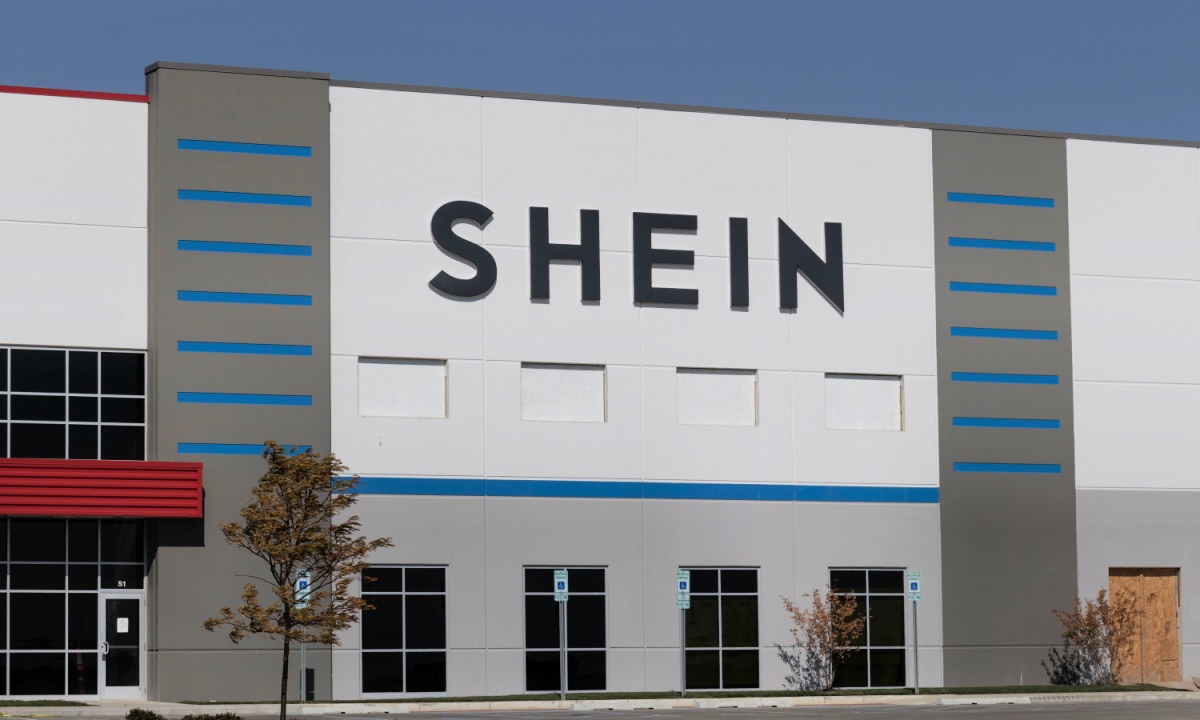
Shein has acquired direct-to-consumer apparel brand Everlane for $100 million, a price that roughly matches the company's outstanding debt. The deal, approved by Everlane's board on Saturday, ends a months-long search for an investor to refinance roughly $90 million in liabilities, according to a report from journalist-owned news site Puck.
Neither L Catterton, Everlane's private-equity parent, nor Shein responded to requests for comment. The purchase price signals how far the D2C darling has fallen since its millennial-friendly peak. Everlane was founded on pledges of "radical transparency" on factory conditions and pricing. The buyer is a fast-fashion giant that the Yale School of the Environment called "the biggest polluter in fast fashion."
The Debt Math Behind the $100 Million Price
The enterprise value effectively equals Everlane's debt load. L Catterton had explored both equity and acquisition options. acquisition options, the board opted for a full sale when no refinancing materialized. The structure implies that Everlane's equity holders, including L Catterton, received little or no premium above the enterprise value.
What That Means for Valuation
For traders tracking D2C assets, the deal sets a floor and a ceiling. A brand with strong name recognition and heavy losses can still attract a buyer, only at a price tied to its liabilities. The $100 million enterprise value is less than half of what Everlane was reportedly valued at in its 2019 funding round. The 90% debt-to-enterprise-value ratio leaves almost no buffer for shareholders.
The Sustainability Paradox and Sector Ripple Effects
Everlane's founding narrative positioned it as an ethical alternative to mainstream fast fashion. The acquisition by Shein, a company repeatedly accused of forced labor, design theft, and environmental harm, creates a branding collision that will ripple across the sector.
Confirmed Peer: Allbirds
Bloomberg noted the acquisition comes weeks after Allbirds, another high-profile D2C retailer, abandoned its core business. The shoe company sold its operations to American Exchange Group and pivoted to become NewBird AI, a GPU-as-a-Service and AI cloud provider. Allbirds had already closed all its full-price U.S. stores, shifting to eCommerce and wholesale.
The two cases – Everlane sold at a debt-equivalent price, Allbirds exiting retail entirely – form a pattern. D2C brands that relied on direct traffic, premium pricing, and store-heavy distribution are struggling to generate positive free cash flow as customer acquisition costs rise and venture capital funding dries up.
The D2C Distress Pattern: What Confirms or Weakens the Thesis
The naive read is that Shein's acquisition validates D2C as an asset class. The better read is more specific:
- Shein is not buying the business model. It is buying distribution infrastructure, a known brand, and customer data at a distressed price.
- Everlane's debt load was the catalyst. Without the $90 million liability, the deal would not have happened at this valuation.
- The acquisition removes one competitor from the market does not fix the structural problems facing other D2C apparel brands: high return rates, heavy discounting, and scaling limits.
Which Parts of the Sector Are Exposed
Apparel D2C names with significant debt or burn rates are most at risk. The fast-fashion-to-ethical-brand pipeline is now open, meaning any D2C label with a clean image and shaky finances becomes a potential target for a Shein or a competitor looking for brand lift. Conversely, premium positioning without profitability is no longer defensible.
For traders: watch for debt disclosures in upcoming filings from smaller D2C companies. A leverage ratio above 1x revenue is a red flag. The Allbirds pivot to AI adds another layer – companies may prefer to exit the apparel sector entirely rather than sell to a fast-fashion buyer.
Confirmation would come if other D2C apparel brands announce acquisition talks with fast-fashion players or private equity at debt-like multiples. Weakening would come if Everlane's post-deal revenue proves resilient under Shein's operational playbook, suggesting a viable turnaround path. The first earnings report from the combined entity is unlikely for at least two quarters.
The Role of Shein's Supply Chain
Shein operates on a real-time demand-driven manufacturing model that allows it to produce small batches and rapidly scale winners. Integrating Everlane's more traditional supply chain would be a departure. If Shein applies its own production methods to Everlane's designs, margins could improve, the brand's premium identity would erode.
A New Framework for D2C Valuation
Before the Shein deal, D2C valuation models often used revenue multiples with a growth premium. After it, the better starting point is enterprise value minus debt, with a heavy discount for brands that lack a distinct manufacturing advantage. The market is now pricing in pricing in the possibility that the only exit is a distressed sale.
For a stock like Mastercard (MA), which processes payments for D2C merchants, the trend is a modest headwind. Fewer D2C brands means slower payment volume growth in that vertical, though it is a small piece of MA's total business. The Alpha Score of 59/100 for MA reflects a moderate rating, consistent with the steady outlook for payment networks amid retail consolidation.
AlphaScala readers can track D2C sector movements and individual stock analysis on the stock market analysis page.
The Everlane sale is a signal, not an endpoint. It tells investors that the D2C hype cycle has turned into a liability cycle. The next casualty will reveal itself through debt filings, not press releases.