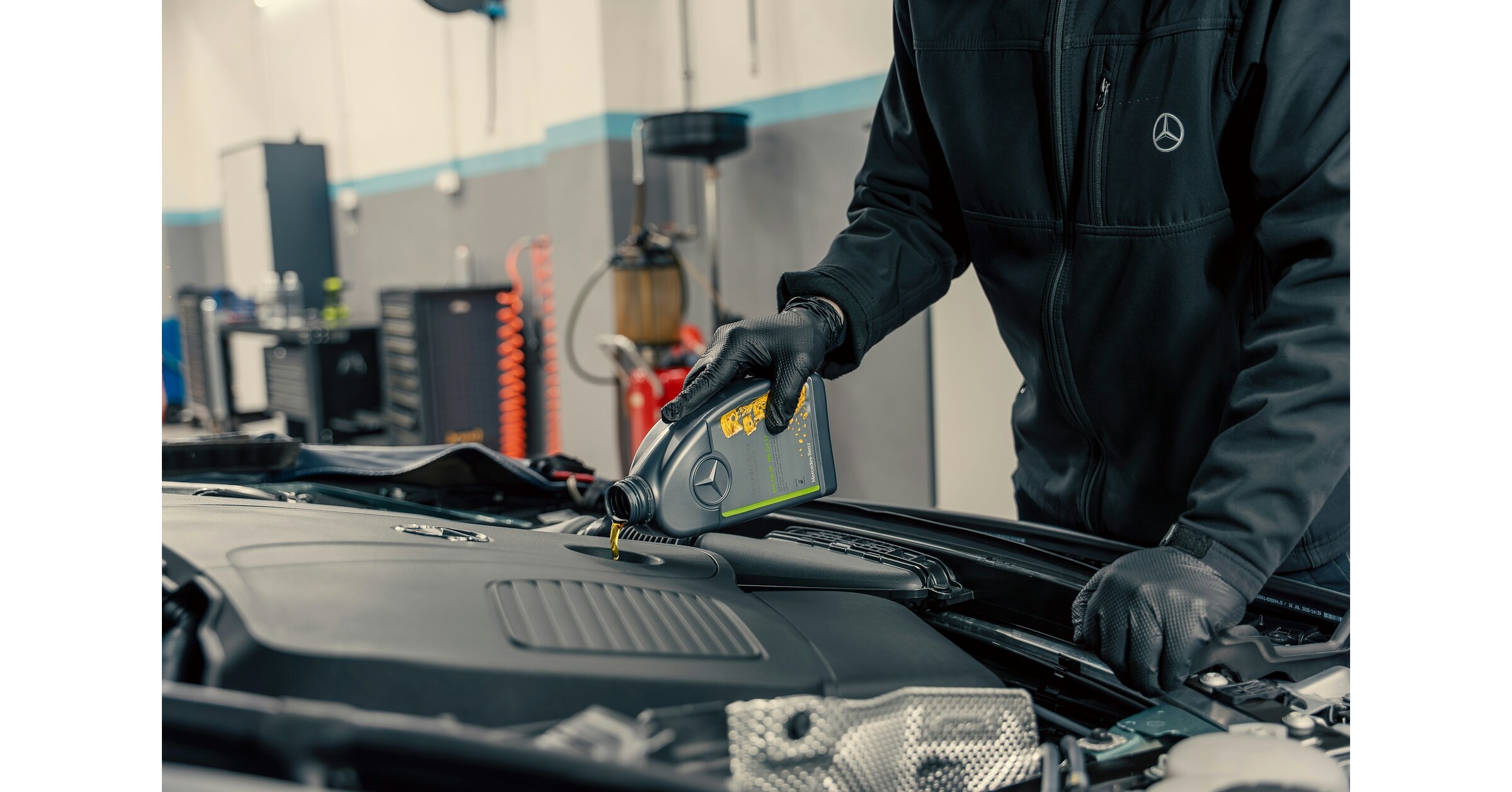
How ServiceStamp Replaces the Paper Service Book
Most vehicles from Model Year 2012 onwards log service events electronically within manufacturer systems instead of stamping them into a physical booklet. This shift made paper service books progressively less reliable as proof of maintenance. Official digital records have remained largely inaccessible to anyone outside the franchised dealer network. The result is a market where vehicles with genuine full service histories and those with fabricated or incomplete records can look identical to a buyer. Counterfeit service stamps are widely available online, and fraud involving falsified maintenance records is a recognised problem across the European used car market.
ServiceStamp closes that verification gap by sourcing service history data directly from Original Equipment (OE) manufacturer databases, the same systems used by authorised dealerships. Reports are delivered within seconds of a vehicle identification number (VIN) being entered. The service launched in Italy on May 19, 2026, at €14.99 per report (VAT included), available at servicestamp.it.
"Italian buyers have always cared deeply about how a car has been looked after, and 'tagliandi regolari' is one of the first things mentioned in any private sale," said Simon Brown, founder of ServiceStamp. "Italy combines one of the largest used car markets in Europe with an older car fleet where service history matters even more."
Coverage Depth: 43 Brands Are Not All Equal
ServiceStamp's practical utility varies by manufacturer. The service covers more than 43 car brands including Fiat, Alfa Romeo, Lancia, Audi, BMW, Mercedes-Benz, Volkswagen, Ford, Opel and Toyota. Coverage breaks into three tiers:
- Twenty brands return full service records, including Audi, BMW, Mercedes-Benz, Volkswagen, Porsche, Jaguar, Land Rover, Lexus, Toyota and Opel. Reports can include manufacturer-recorded service dates and service types, mileage recorded at each visit, and details of work carried out at franchised dealerships.
- Eleven brands return workshop remarks covering recalls and warranty work, which often align with scheduled servicing. This group includes Fiat, Alfa Romeo, Citroën, Peugeot, Renault and Volvo.
- A further eight brands have limited coverage.
A buyer checking a BMW or Lexus gets a complete picture of dealer visits. A buyer checking a Fiat or Alfa Romeo sees only workshop remarks that may or may not represent full service history. All supported brands cover vehicles from Model Year 2012 onwards.
Italy's Used Car Market Structure Favors Verified History
Italy is one of Europe's largest used car markets, with several million used vehicle transactions every year. The car fleet skews older than the European average. High transaction volume combined with longer vehicle lifespans makes documented maintenance history particularly valuable to Italian buyers. The same verification gap that exists across Europe has left most consumers without a practical way to confirm a vehicle's tagliandi (service records) before purchase.
ServiceStamp's expansion into Italy is the next step in a broader European rollout. The company launched in the United Kingdom in January 2026 and expanded to Germany in April 2026. The sequence of launches signals a strategy of entering large, verification-sensitive markets first. The UK and Germany have similarly fragmented digital record systems. Italy adds a market where the cultural expectation of documented service records is particularly strong.
The Transactional Unit Economics and Competitive Risk
ServiceStamp operates a pure transaction model: €14.99 per report, no subscription, no recurring revenue from the same vehicle. Growth depends on report volume from four customer segments:
- Used car buyers verifying history before purchase
- Private sellers demonstrating verifiable records to support asking prices
- Dealers and traders appraising vehicles at scale
- Vehicle owners recovering service history where paper documentation has been lost
Key insight: The business benefits from network effects across brands. Each additional manufacturer integration increases the addressable vehicle pool without raising marginal cost for existing integrations. The limiting factor is database access, not demand. If ServiceStamp can secure full-record agreements with the remaining 23 brands (the 11 workshop-remark brands plus the 8 limited-coverage brands), the value proposition shifts from "it works for some cars" to "it works for almost all cars."
Risk to watch: Competition from manufacturer-owned verification portals or dealer associations offering similar checks at lower cost. The verification gap exists because manufacturer data has been siloed. Once a critical mass of buyers learns to ask for digital records, manufacturers may see an incentive to offer the check directly, cutting out the third party. ServiceStamp's window of advantage depends on how quickly it builds brand recognition and data coverage before manufacturers replicate the service.
Confirmation and Invalidation Points
What would confirm the thesis: A material increase in report volume in Italy during the first six months, followed by a new market entry with full-record coverage for that country's top three brands. Evidence of dealer networks actively recommending the service or integrating it into their sales workflow would signal genuine adoption.
What would weaken it: Slow uptake in Italy due to limited coverage of Fiat and Alfa Romeo (workshop-remark only). If Italian buyers find that the two most popular domestic brands do not return full service records, the practical utility drops sharply, and word-of-mouth suffers. The same dynamic applies in Germany if smaller domestic brands are limited.
The company was founded in 2025 and is headquartered in Bristol, UK. ServiceStamp has no public equity listing. The verification gap it addresses, however, is structurally widening as paper booklets disappear and digital records remain fragmented. The question for the European used car industry is whether third-party verification or direct manufacturer access becomes the default. For now, ServiceStamp's expansion pattern offers a test case in which market, which brands, and which verification tier matter most.
For broader context on how verification and valuation trends affect publicly traded automotive and auto-tech stocks, see AlphaScala's stock market analysis section.