Stocks● Neutral
Seoul First-Time Buyer Surge Signals Tax-Driven Market Shift
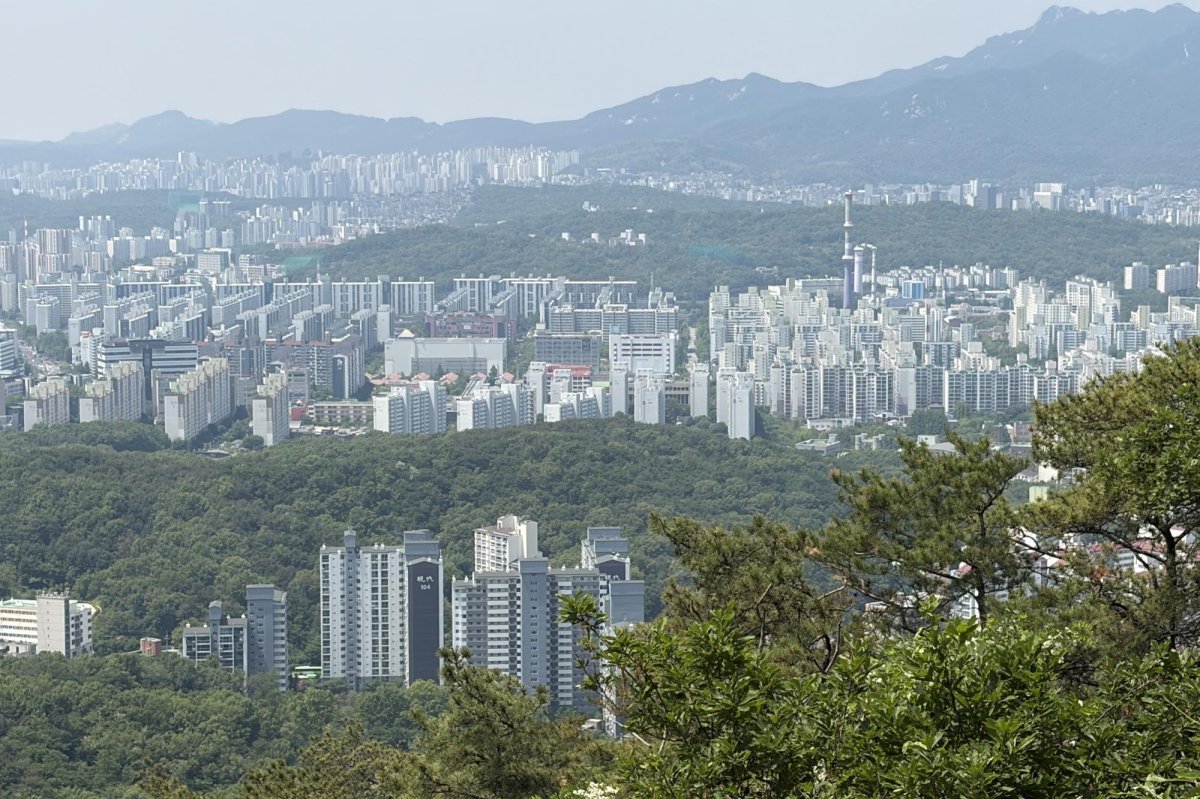
Multiple-home owners sell before capital gains tax relief ends, accelerating supply in Seoul's mid-priced districts. 7,341 first-time buyers in April, highest since 2021. Can the trend persist?
Continue with
Seoul's first-time homebuyer registrations hit a four-year high in April. A total of 7,341 buyers applied for ownership transfer registration on their first condominium-style property. That figure is the highest since November 2021, when 7,886 buyers were recorded during a housing market boom. The April count could still rise because buyers have 60 days after final payment to file registration.
The immediate catalyst is a capital gains tax relief deadline for multiple-home owners. Owners are selling secondary properties before the relief period ends. The resulting supply injection is landing in Seoul's outer districts and mid-priced housing segments, precisely where borrowing rules favor first-time buyers.
The Tax Deadline Reshaping Seoul's Supply
Multiple-home owners face higher capital gains taxes if they hold past the relief period. That creates a forced or accelerated selling timeline. The supply is concentrated in districts with higher shares of mid-priced apartments.
Where Listings Are Concentrating
By district, Nowon recorded the most first-time buyers with 623, followed by Gangseo with 582, Eunpyeong with 451, Seongbuk with 445, Songpa with 430 and Yeongdeungpo with 426. Except for Songpa, these districts offer relatively affordable condominium-style homes. The geographic pattern confirms that sellers are unloading properties in price tiers accessible to new entrants.
The Age Cohort Driving Demand
Buyers in their 30s accounted for 4,231 people, or 57.6% of all first-time buyers. The next largest group was buyers in their 40s at 17.4%, followed by those in their 20s or younger at 11.1% and those in their 50s at 7.8%. The concentration in the 30s cohort suggests household formation and career-stage savings are aligning with the window of lower prices.
Three-Tier Mortgage Caps and the 1.5 Billion Won Threshold
Mortgage rules introduced on Oct. 15, 2024 are steering demand toward lower-priced homes. The loan-to-value ratio for first homes in regulated areas is capped at 40%. First-time homebuyers, however, can qualify for ratios of up to 70%. That borrowing advantage becomes decisive when the price ceiling is low enough.
The Price Tier Structure
| Home Price Range | Mortgage Cap | First-Time Buyer LTV Advantage |
|---|---|---|
| Above 2.5 billion won ($1.8M) | 200 million won ($143,000) | Limited – high-price segment |
| 1.5B to 2.5B won ($1.1M–$1.8M) | 400 million won ($286,000) | Moderate |
| Up to 1.5 billion won ($1.1M) | Up to 600 million won ($429,000) | Maximum – 70% LTV available |
The three-tier cap creates a clear incentive: a buyer who finds a property at or below 1.5 billion won gets three times the borrowing capacity available for a home above 2.5 billion won. The supply wave from multiple-home owners is landing in districts where that price ceiling is achievable.