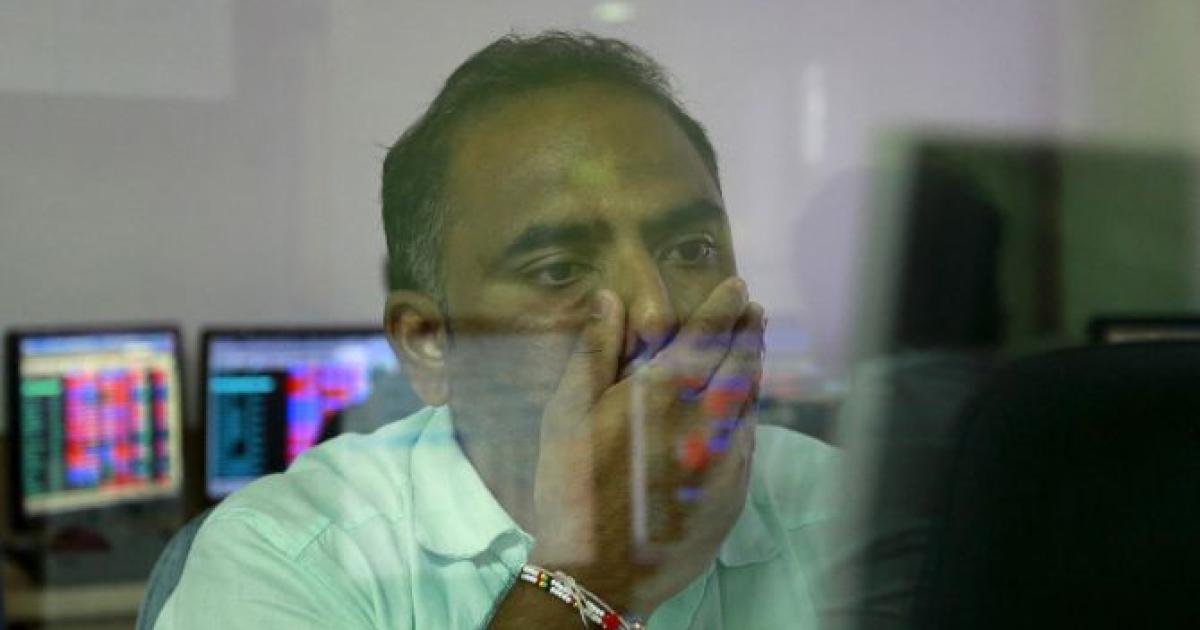
Indian benchmark indices Sensex and Nifty faced a sharp correction in early trading sessions today. The decline marks a reversal of recent positive momentum as investors recalibrate their risk exposure in response to a confluence of macroeconomic headwinds. The primary driver of this volatility is the sudden surge in global oil prices, which threatens to exacerbate inflationary pressures and widen the current account deficit for the Indian economy.
Energy Price Volatility and Macroeconomic Sensitivity
The spike in crude oil prices acts as a direct tax on the Indian economy, given the nation's heavy reliance on energy imports. Higher energy costs typically compress corporate margins across the manufacturing and logistics sectors while simultaneously complicating the central bank's inflation management strategy. This sensitivity is particularly acute for the Nifty50, which contains a high concentration of energy-intensive firms. As oil prices remain elevated, the market is pricing in a potential slowdown in domestic consumption and a tighter monetary environment. This shift in sentiment follows a period where Indian Equities Surge as Geopolitical De-escalation Fuels Risk-On Sentiment, highlighting how quickly the narrative can shift when external commodity shocks re-emerge.
FII Liquidity and Structural Selling Pressure
Beyond the commodity shock, the persistent exit of Foreign Institutional Investors remains a significant overhang for the broader market. These outflows have been consistent, creating a liquidity vacuum that domestic institutional buyers have struggled to fill. The sustained selling suggests that global funds are rotating capital away from emerging markets in favor of safer havens or regions with lower geopolitical exposure. This trend is particularly damaging to the large-cap stocks that dominate the Sensex, as these firms rely heavily on foreign capital flows for valuation support. The ongoing withdrawal of foreign liquidity limits the upside potential for the indices even during periods of relative stability in other sectors.
AlphaScala Market Context
While the broader indices struggle with these macro pressures, individual equities in the consumer cyclical space continue to face mixed sentiment. For instance, Amer Sports, Inc. currently holds an Alpha Score of 47/100, reflecting a neutral outlook as the company navigates broader sector volatility. Investors can track further developments in the consumer sector on the AS stock page to see how specific firms manage these rising input costs.
The Next Pivot Point
The immediate path forward for the Sensex and Nifty will be dictated by the duration of the oil price spike and the daily flow data from foreign institutional desks. If the current energy volatility persists, market participants will look for signs of defensive rotation into sectors less sensitive to commodity inputs. The next critical marker will be the upcoming monthly trade balance data, which will provide the first concrete evidence of how the recent energy price surge is impacting the national balance sheet. Until foreign fund outflows stabilize, the indices are likely to remain in a defensive posture with limited capacity for a sustained recovery.