Crypto▼ Bearish
Senate Bill Would Ban President, Officials From Issuing Digital Assets
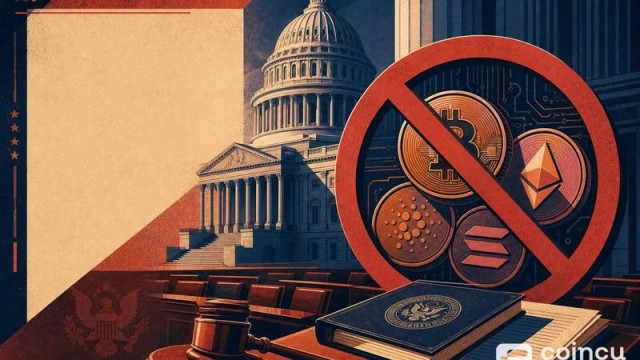
The new U.S. legislation targets conflict-of-interest concerns tied to digital assets. Sponsors say it would end profiteering by elected officials.
Continue with
A U.S. Senate bill would bar the president, vice president, and members of Congress from issuing digital assets while in office, targeting conflicts of interest tied to crypto. The measure was introduced as S. 1668.
Sponsors led by Senator Jeff Merkley and Senator Chuck Schumer said the bill would end crypto corruption by elected officials, according to their office. Senator Mark Kelly described the effort as a stop to crypto profiteering by government officials.
The bill names the president and other senior federal officials. It prohibits issuing digital assets and profiting from endorsements during a term. The exact list of covered officeholders depends on the bill's definitions, which the sponsors have not yet detailed.
Lawmakers have previously advanced a similar restriction on prediction markets, proposing a ban on the president and members of Congress from trading those contracts. The two efforts together signal a broader push to wall off senior officials from emerging financial products where policy influence could create personal gain.