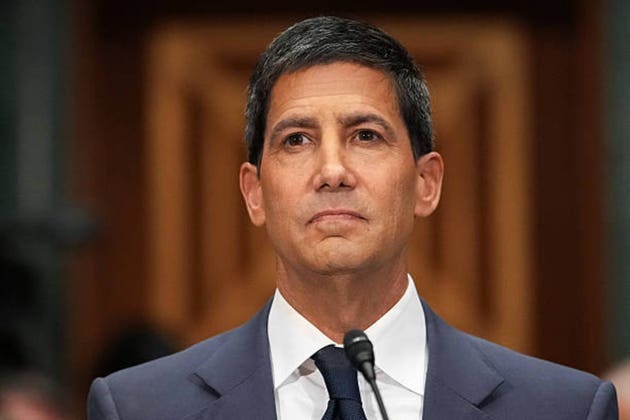
The Senate Banking Committee has scheduled a confirmation vote for Kevin Warsh to serve as Chair of the Federal Reserve, set for April 29. This procedural milestone arrives as the current term of Chair Jerome Powell nears its conclusion. The transition of leadership at the central bank represents a critical juncture for monetary policy, particularly as the committee evaluates the candidate's approach to inflation mandates and interest rate trajectories.
Transmission to Monetary Policy and Bond Yields
The nomination process serves as a primary signal for the future direction of the Federal Open Market Committee. Markets typically interpret leadership changes at the Fed through the lens of policy continuity or potential shifts in the reaction function to employment and inflation data. A transition in the chair position often prompts a reassessment of the term premium in Treasury yields, as investors recalibrate expectations for the neutral rate. The April 29 vote will likely serve as a catalyst for volatility in the short end of the curve, where participants are sensitive to any signals regarding the pace of balance sheet normalization or the threshold for future rate adjustments.
Equity Market Sensitivity and Sector Positioning
Equity markets remain sensitive to the perceived hawkishness or dovishness of incoming Fed leadership. The prospect of a new chair often leads to a rotation in sector leadership, as investors weigh the impact of potential policy shifts on discount rates and corporate earnings. Technology and consumer cyclical sectors often show the highest sensitivity to these shifts due to their reliance on long-duration cash flows.
AlphaScala data currently reflects a mixed sentiment across several key sectors, including ON Semiconductor Corporation with an Alpha Score of 45/100 and Amer Sports, Inc. at 47/100. Meanwhile, AT&T Inc. maintains a moderate score of 57/100, reflecting the broader divergence in how different business models respond to shifting interest rate environments. These scores underscore the importance of monitoring how individual company valuations adjust as the market digests the implications of the upcoming leadership change.
Next Decision Points for Market Liquidity
The confirmation vote acts as a precursor to broader shifts in market analysis regarding the Fed's dual mandate. Beyond the immediate legislative outcome, the focus will shift to the first policy meeting presided over by the new chair. Investors should monitor the subsequent press conference for changes in the communication style or the emphasis placed on specific economic indicators. The transition period will likely be defined by how the central bank balances the need for price stability against the risks of a cooling labor market. The April 29 vote is the primary marker for this transition, setting the stage for the subsequent confirmation process on the Senate floor.