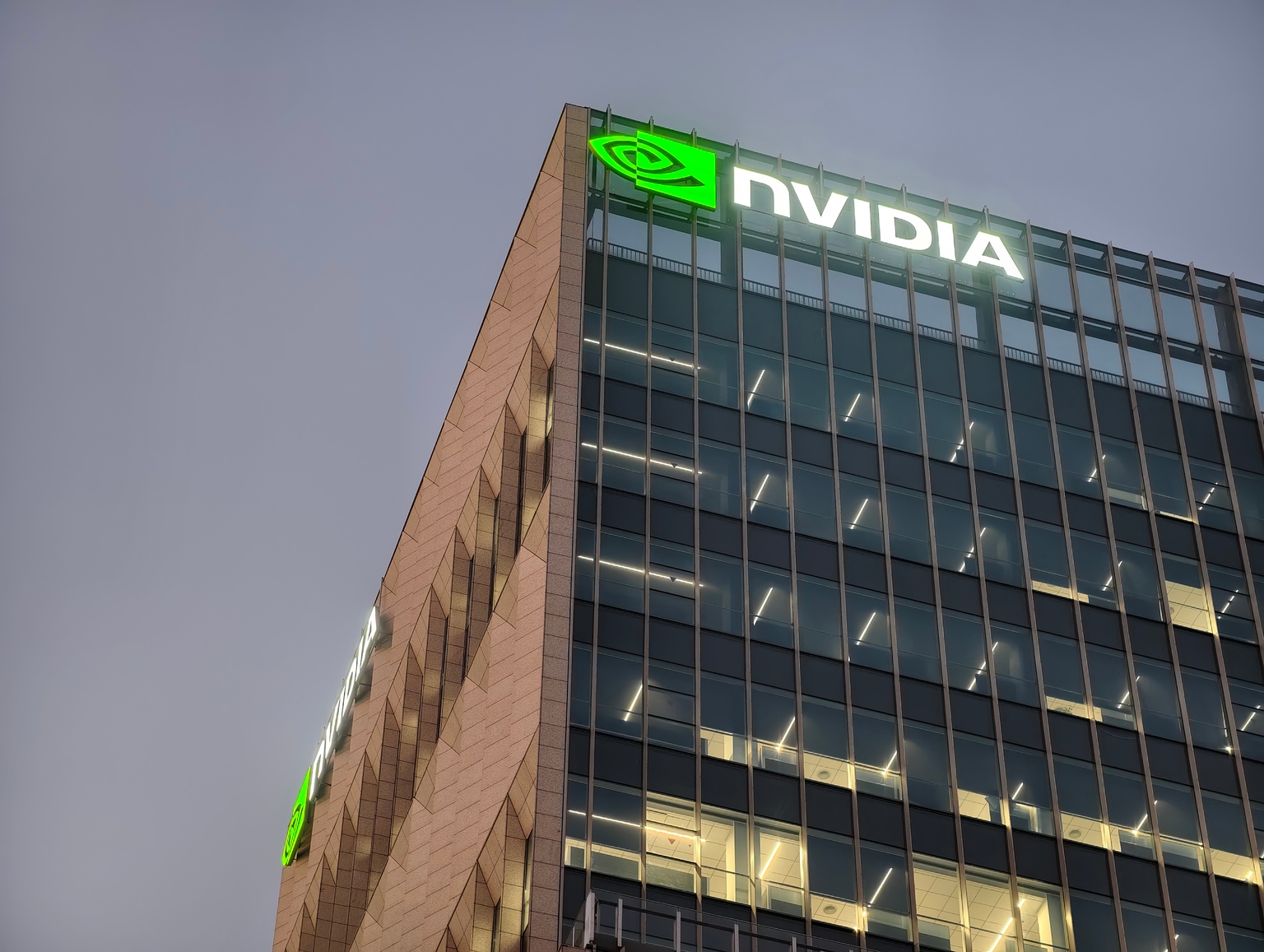
The semiconductor sector is currently defined by a widening performance gap between dominant market leaders and secondary challengers. While both NVIDIA and AMD occupy the same high-growth AI infrastructure space, recent market behavior suggests investors are increasingly prioritizing established dominance over potential upside from secondary players. This shift in sentiment reflects a broader re-evaluation of capital allocation within the technology sector, where the cost of maintaining a competitive edge in AI hardware has become a primary differentiator.
The Dominance Premium in AI Hardware
NVIDIA continues to command the narrative in the semiconductor space, largely due to its integrated software and hardware ecosystem. The company has successfully transitioned from a component supplier to a critical infrastructure provider for large-scale AI deployments. This shift has created a moat that is difficult for competitors to bridge, as the integration of proprietary software stacks with high-performance GPUs creates significant switching costs for enterprise customers. The market currently assigns a premium to this level of vertical integration, viewing it as a hedge against the volatility inherent in the broader chip cycle.
In contrast, AMD faces a more complex path to capturing market share. While the company has made strides in its data center product offerings, it remains in a reactive position relative to the industry leader. The challenge for AMD is not merely the technical performance of its chips, but the ability to displace an entrenched ecosystem that has already standardized its development around competing architectures. This structural disadvantage forces AMD to compete more aggressively on price, which can compress margins and limit the capital available for the next generation of research and development.
Sector Read-Through and Valuation Dynamics
Investors are currently navigating a market where valuation multiples are sensitive to the sustainability of AI-related capital expenditures. The sector is seeing a bifurcation where companies with clear, defensible revenue streams are rewarded with higher multiples, while those still proving their ability to scale face increased scrutiny. This environment favors companies that can demonstrate consistent execution in their core business segments, as seen in the recent performance of NVDA stock page, which holds an Alpha Score of 70/100 and currently trades at $201.68. Meanwhile, AMD stock page maintains an Alpha Score of 59/100, reflecting the market's more cautious stance on its near-term growth trajectory compared to its larger peer.
This divergence is not limited to the semiconductor space. Broader market analysis suggests that investors are rotating away from speculative growth and toward companies that can sustain profitability despite rising input costs. The ability to maintain pricing power in the face of supply chain constraints remains the single most important indicator of long-term health for hardware manufacturers. As the industry moves toward the next cycle of product launches, the focus will shift from total addressable market projections to actual unit shipment volumes and gross margin stability.
The next concrete marker for this sector will be the upcoming quarterly guidance updates from major cloud service providers. These reports will serve as a proxy for total industry demand and will clarify whether the current pace of infrastructure spending is sustainable through the end of the fiscal year. Any indication of a slowdown in data center build-outs would likely trigger a re-rating of the entire semiconductor cohort, placing additional pressure on companies with less diversified revenue bases.