Security Infrastructure and the Shift Toward Hardened Event Venues

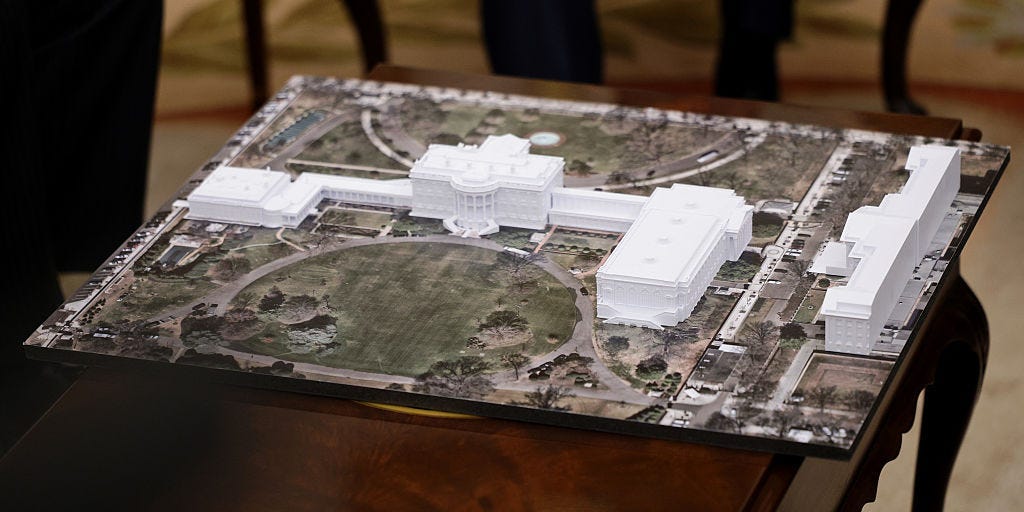
The shooting at the White House Correspondents' Dinner has prompted a push for hardened event infrastructure, with the administration advocating for a new, highly secure ballroom.
HASBRO, INC. currently screens as unscored on AlphaScala's scoring model.
Alpha Score of 47 reflects weak overall profile with moderate momentum, poor value, moderate quality. Based on 3 of 4 signals — score is capped at 90 until remaining data ingests.
Alpha Score of 45 reflects weak overall profile with strong momentum, poor value, poor quality, weak sentiment.
Alpha Score of 54 reflects moderate overall profile with poor momentum, strong value, strong quality, weak sentiment.
The recent shooting at the White House Correspondents' Dinner has shifted the narrative surrounding event security and venue standards. President Donald Trump responded to the incident by advocating for his proposed White House ballroom, framing the project as a necessary upgrade in security infrastructure. This pivot attempts to link the necessity of high-level physical protection with the stalled construction of the ballroom, positioning the facility as a solution for future high-profile gatherings.
The Commercial Case for Hardened Infrastructure
The push for the ballroom highlights a broader trend where security features are increasingly treated as essential components of commercial and government real estate value. By emphasizing that the proposed space includes the highest level of security features, the administration is shifting the focus from aesthetic or functional utility to risk mitigation. This narrative suggests that future event hosting capabilities will be judged by their ability to provide a fortified environment rather than just capacity or location.
For the broader stock market analysis, this development underscores how security-related capital expenditures are becoming a focal point for institutional and government projects. Companies involved in physical security, surveillance, and structural hardening often see increased demand when public safety incidents drive policy changes. The transition toward these standards can alter the procurement cycles for large-scale construction projects, favoring firms that specialize in integrated security systems.
Sector Read-throughs and Asset Valuation
When security becomes the primary selling point for infrastructure, the valuation of such projects often decouples from traditional real estate metrics. The focus shifts toward the long-term operational viability of the space under heightened threat environments. This creates a distinct market for contractors and technology providers who can deliver bespoke, high-security environments that meet evolving federal standards.
AlphaScala data currently tracks various technology and industrial firms that intersect with these infrastructure requirements. For instance, ON stock page currently holds an Alpha Score of 45/100 with a Mixed label, reflecting the volatility inherent in the technology sector as it navigates shifting demand for specialized hardware. Similarly, HAS stock page remains Unscored, illustrating the diverse range of companies that operate within the broader consumer and industrial landscape.
The Path Toward Implementation
The next concrete marker for this narrative will be the legislative response to the security incident and whether it provides the necessary funding or authorization to move the ballroom project forward. If the administration successfully ties the project to a broader security mandate, it could signal a shift in how federal funds are allocated for venue construction. Market participants should monitor upcoming budget filings and infrastructure committee reports for specific line items related to White House facility upgrades. These documents will serve as the primary indicator of whether this proposal moves from a political talking point to a funded capital project. The speed at which these security requirements are integrated into federal procurement will determine the potential impact on firms positioned to supply the necessary technology and construction services.
AI-drafted from named sources and checked against AlphaScala publishing rules before release. Direct quotes must match source text, low-information tables are removed, and thinner or higher-risk stories can be held for manual review.