Crypto▲ Bullish
SEC Chair Atkins Ends Crypto Crackdown Era; Political Risks Linger
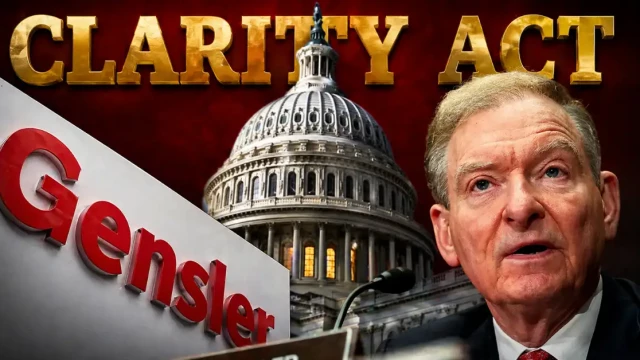
SEC Chair Paul Atkins signals a new crypto-friendly phase. Trump and Lummis back the shift. TD Cowen warns political delays could push final rules to 2029.
Continue with
SEC Chair Paul Atkins said the agency is no longer "at odds with technology and innovation," marking a clear departure from the enforcement-heavy approach under former Chair Gary Gensler. Since taking over in April 2025, Atkins has pushed for a more crypto-friendly direction, aligning with President Donald Trump's goal of making the United States the "crypto capital of the world." The shift signals a potential end to the regulatory crackdown that defined the Gensler era. For crypto firms and investors, this reads as a positive pivot from the SEC's lawsuit-heavy playbook. The agency now appears ready to work with Congress on clearer rules for blockchain companies operating in the U.S. Crypto market analysis shows that regulatory clarity has been a top drag on institutional adoption, and this shift removes a key overhang.
Senator Cynthia Lummis supported the administration's direction, saying previous governments "senselessly punished" the digital asset industry while Trump's policies are helping the sector grow. According to journalist Eleanor Terrett, Trump said his administration is building a "future-proof" crypto market structure that future anti-crypto lawmakers cannot easily undo. The comments marked his first public remarks on crypto market structure since March.
The Political Clock on Market Structure Bills
The optimistic narrative assumes the political environment will cooperate. TD Cowen warned that Democrats are becoming more hesitant, Republicans face increasing political pressure, and controversies tied to Trump's crypto connections are turning regulation into a political battleground. The analyst said delays could push final implementation to 2029 if lawmakers postpone action until after future election cycles. This is the risk event that AlphaScala readers need to track. The simple read – crackdown ends, clarity arrives – ignores that the legislative process can stall indefinitely. The SEC can change its enforcement posture. It cannot deliver a comprehensive market structure alone. Congress holds the pen. If bipartisan consensus erodes, the sector gets the worst outcome: no crackdown and no clear rules, leaving firms in a regulatory grey zone. Trump's endorsement of the CFTC as sole regulator for prediction markets shows one piece of the puzzle. The broader bill remains hostage to election-cycle dynamics.