Crypto▲ Bullish
SEC and CFTC Unveil 5-Tier Digital Asset Classification Plan
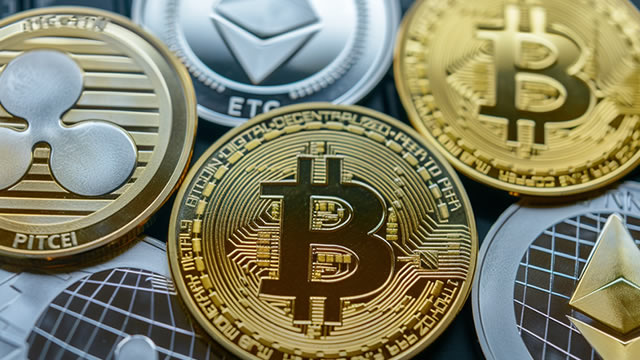
New regulatory framework aims to eliminate legal ambiguity for BTC, ETH, and SOL. Clearer compliance rules signal a shift toward institutional adoption.
Continue with
U.S. financial regulators took a significant step toward clarifying digital asset oversight on March 17 with the unveiling of a joint classification framework. The SEC and the CFTC released a coordinated policy designed to distinguish between tokens that function as security-like instruments and those that operate as commodity-like assets.
This new regulatory structure utilizes a five-tier system to categorize digital assets, offering a clearer path for compliance and oversight. Market participants have noted that the initiative aims to dismantle the legal ambiguity that has historically discouraged major institutional players from entering the crypto space. By establishing distinct criteria for token treatment, the agencies seek to provide a more predictable environment for market participants and developers alike. The move marks a coordinated effort by both commissions to align their regulatory approaches to the evolving digital asset landscape.
How this story was producedLast reviewed Apr 6, 2026
Prepared with AlphaScala editorial tooling from the source reporting linked above. Indexable analysis may include a cited Alpha Score value. Publishing checks screen each story before release. Educational coverage, not personalized advice.
Explore More
More from AlphaScala
Crypto
The CFTC has one commissioner and all of crypto
Jul 17
CryptoVisa, BlackRock Stablecoin Push Tops Crypto KOL Sentiment
Jul 7
CryptoJuly 4 Crypto Bill Deadline Puts Policy Risk Front and Center
Jun 13
CryptoCoinbase Prepares Custody for Quantum Computer Threat
Jul 26
CryptoGoldman CEO backs CLARITY Act as banks fight stablecoin rewards
Jul 23
CryptoGalaxy Digital targets $3.5B junk bond sale for Texas AI data center
Jul 23
Trading Q&A
What is Bitcoin and how does it work?
Difference between Bitcoin and Ethereum?
How does cryptocurrency mining work?
What is proof of stake vs proof of work?