Commodities● Neutral
Saudi non-oil trade surplus with GCC reaches SAR 4.5B in Feb
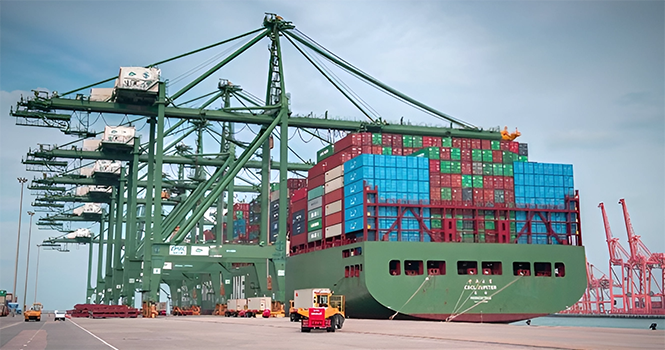
Up 7% YoY, the highest non-oil surplus with the bloc in a year signals sustained demand for Saudi petrochemicals and building materials. March data will confirm the trend.
Continue with
Saudi Arabia's non-oil trade surplus with other Gulf Cooperation Council states hit about SAR 4.47 billion in February 2026, up 7% from the same month a year earlier. That is the highest monthly non-oil surplus with the bloc in at least 12 months. The gain indicates Saudi exporters are selling more non-oil goods into Gulf markets relative to what they buy back – a positive signal for domestic industrial output and intra-regional demand.
What the 7% Surplus Gain Signals for Non-Oil Exporters
The simple read is clear: a rising surplus means Saudi producers are shipping more than they import from Gulf neighbours. The better market read examines what drives the figure. Saudi non-oil exports to the GCC are dominated by petrochemicals, plastics, base metals, and construction materials. February likely benefited from restocking ahead of Ramadan and from sustained infrastructure spending in the UAE and Kuwait. Without a category breakdown in the source data, traders should treat the headline as a directional indicator rather than a sector-specific trigger.
The absolute surplus of SAR 4.47 billion is modest compared with Saudi Arabia’s total monthly non-oil trade. The 7% year-on-year growth rate, however, has accelerated for three consecutive months. If that trend holds into the spring, it would imply stronger demand for Saudi petrochemical and cement producers – two groups already facing margin pressure from rising input costs. The ICRA warning of a 10-15% profit drop for cement companies in FY27 underscores the headwinds that a sustained surplus would need to overcome.
Three key sectors are most exposed to this trade flow:
- Petrochemicals: Saudi cracker operators rely on Gulf buyers for about 25-30% of their Middle East sales. A 7% upswing in the surplus may correlate with higher operating rates and reduced need to discount into Asian spot markets.
- Cement and construction materials: Saudi shipments to the UAE and Qatar have been volatile. The surplus uptick could reflect a recovery in infrastructure demand, though the sector still battles oversupply and cost inflation.
- Fertilizers and metals: Producers shipping urea, phosphate, and aluminium into the Gulf benefit directly from rising intra-regional demand. The surplus data complements other freight-flow signals for Gulf container lines.