Stocks● Neutral
Saudi Mining Reforms Lift Kingdom to 10th in Global Investment Ranking
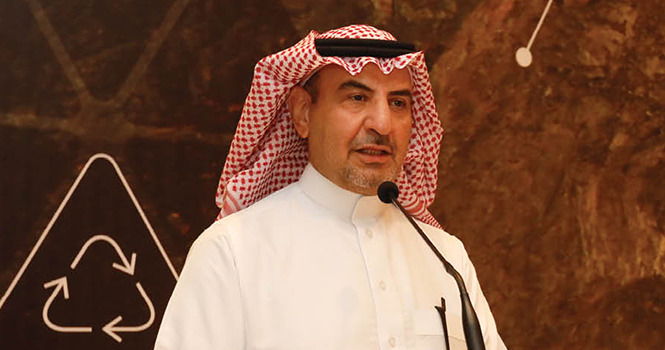
Saudi Arabia ranked 10th in the 2025 Investment Attractiveness Index. Vice Minister Al-Mudaifer said mining reforms drove the shift, with phosphate and rare earths topping the joint-investment list with Kazakhstan.
Continue with
Saudi Arabia ranked 10th worldwide in the 2025 Investment Attractiveness Index, a position Vice Minister of Industry and Mineral Resources for Mining Affairs Khalid Al-Mudaifer tied directly to the Kingdom's mining-sector reforms. Speaking at the Astana International Mining and Metallurgy Conference in Kazakhstan, Al-Mudaifer said both Saudi Arabia and Kazakhstan had carried out major reforms in recent years.
The changes included updated mining investment frameworks, expanded geological survey and mapping programs, faster exploration activities, and deeper cooperation with international investors and mining partners. Based on those reforms, the two countries identified opportunities for cooperation in exploration, mineral processing, mining services, and downstream industries.
Al-Mudaifer pointed to phosphate, aluminum, steel, titanium, construction materials, and rare earth elements as the most important areas for near-term joint investment between Saudi Arabia and Kazakhstan. The list covers both bulk commodities and specialty minerals, suggesting the partnership targets multiple supply chains rather than a single resource.