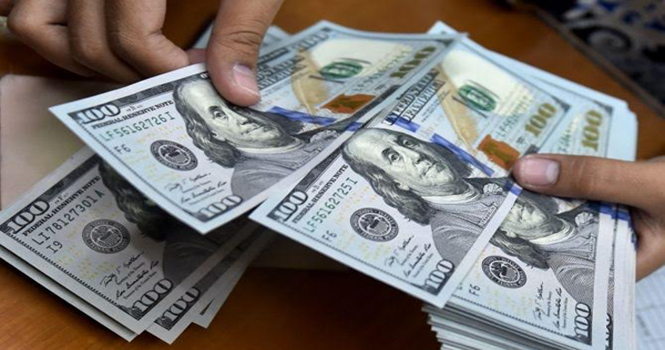
Expat remittances from Saudi Arabia hit SAR 14.65B in April, up 16% YoY, as Vision 2030 hiring boosts flows to Pakistan, India, and Egypt. Saudi transfers stayed flat at SAR 5.5B.
Expatriate workers in Saudi Arabia sent SAR 14.65 billion home in April, a 16% increase from a year earlier, according to central bank data released Monday. Saudi nationals transferred SAR 5.5 billion abroad over the same period, roughly flat against SAR 5.4 billion in April 2025.
The pickup in expat outflows reflects a broadening labor market under Vision 2030. Oil prices held near $85 a barrel through the first quarter, sustaining government spending and private-sector demand for foreign workers. Saudi Arabia's non-oil economy expanded at a 4.2% annual pace in the first three months of 2026, driven by construction and retail hiring along with logistics work.
April's expat remittance total was the highest for that month since 2019. The SAR 14.65 billion figure compares with SAR 12.6 billion a year ago. Cumulative remittances for the first four months of 2026 now exceed SAR 55 billion, up from SAR 48 billion in the same period last year.
The flow matters for several recipient economies. Pakistan and India are the top destinations, with Egypt also receiving a significant share. April's increase translates into more foreign-exchange inflows for those countries, which rely on remittances to help finance current account deficits and support consumption.
Saudi transfers abroad, which include spending by citizens on travel, education, and foreign investments, have held around SAR 5 billion to SAR 5.5 billion monthly since early 2024. The stability suggests households are not accelerating outflows despite the domestic interest-rate cycle. The Saudi riyal is pegged to the dollar, so the central bank has followed the Federal Reserve's rate path; the benchmark repo rate has sat at 5.25% since July 2025. Higher local rates may be encouraging saving over foreign travel and investment spending.
The expat remittance growth is tied directly to the kingdom's infrastructure push. More engineers, project managers, and service workers from South Asia and Egypt have arrived since late 2024, drawn by mega-projects and a $1.3 trillion capital spending program. Their earnings are sent back to families, creating a steady and growing outflow that reflects deepening labor integration with the region.
The April data extends a trend that has been building for more than a year. As long as oil revenue supports public spending and non-oil GDP keeps expanding, the remittance base should continue to widen.
Prepared with AlphaScala editorial tooling from the source reporting linked above. Indexable analysis may include a cited Alpha Score value. Publishing checks screen each story before release. Educational coverage, not personalized advice.