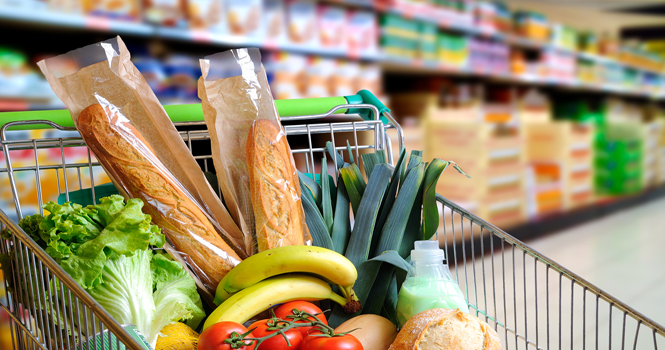
Average prices of 93 of 169 tracked commodities and services rose year-on-year in Saudi Arabia in May 2026, signaling persistent price pressures across food, housing, and transport.
Average prices of 93 out of 169 tracked commodities and services rose year-on-year in May 2026, according to data from the General Authority for Statistics. The increases spread across all 10 categories the agency monitors, including food, housing, utilities, transport, and recreation.
Food prices led the advance. Meat, dairy, and vegetables all posted higher year-on-year costs. Housing rental costs also climbed, a persistent driver of Saudi inflation since the pandemic. Transport costs rose on the back of fuel price adjustments and higher vehicle maintenance fees.
The index covers 169 items. The 93 that increased represent roughly 55% of the basket. Another 59 items showed no change from May 2025, and 17 items recorded lower prices year-on-year.
Saudi inflation has been on a gradual upward trend this year. The May data points to continued pressure on household budgets, though the central bank has kept its policy rate in line with the U.S. Federal Reserve's moves, given the riyal's peg to the dollar. Real interest rates remain negative in the kingdom, which tends to incentivize borrowing and spending rather than saving.
The report comes as global commodity prices remain elevated. Brent crude has traded above $85 a barrel for most of 2026, pushing up domestic fuel costs despite Saudi Arabia's subsidy system. Food commodity indexes from the World Bank and FAO have also stayed high, feeding into import-dependent categories.
The authority does not provide a breakdown of which specific items fell. Analysts at Jadwa Investment, a Riyadh-based research firm, said the overall trend remains consistent with a gradual normalization of prices after the post-pandemic spike. They noted that the number of items increasing month-on-month may have actually contracted, signalling that the inflation rate could be peaking.
For anyone tracking Saudi consumer stocks or the broader Saudi economy, the May data adds to a picture of persistent but manageable price growth. The next release, due in July, will cover June data and may offer a clearer view on whether inflation has indeed peaked.
Prepared with AlphaScala research tooling and grounded in primary market data: live prices, fundamentals, SEC filings, hedge-fund holdings, and insider activity. Each story is checked against AlphaScala publishing rules before release. Educational coverage, not personalized advice.