Stocks● Neutral
Saudi Cabinet Review Keeps Infrastructure Spending in Focus
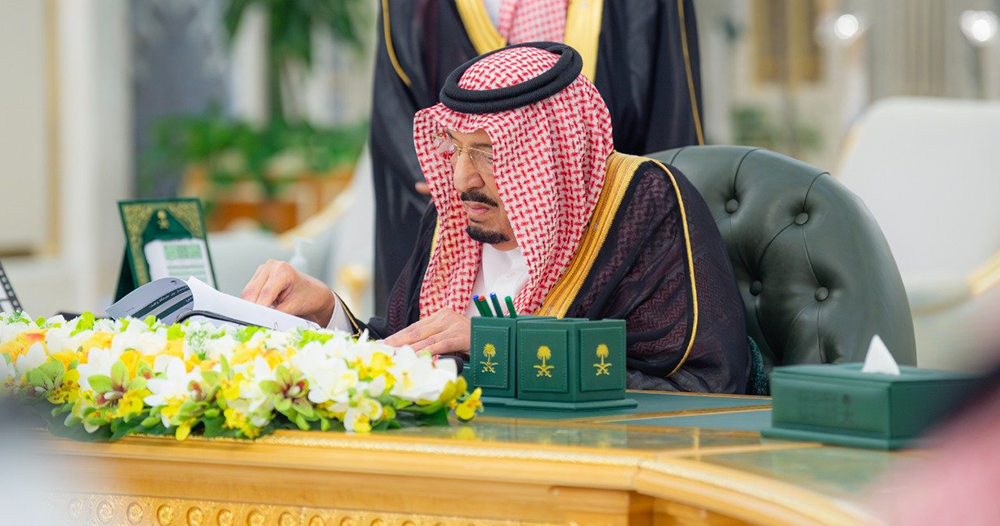
Saudi Cabinet reviews infrastructure plans under Vision 2030. Commitment to non-oil spending holds for construction and engineering sectors.
Continue with
Saudi Arabia's Cabinet, chaired by King Salman in Jeddah on Wednesday, reviewed the Kingdom's infrastructure development plans, the official Saudi Press Agency reported.
The review comes as part of the government's long-running push under Vision 2030 to diversify the economy away from oil. Major projects–including new cities, transport networks, and industrial zones–have been a central pillar of the strategy. The cabinet's review signals continued high-level attention on infrastructure spending, even as global oil prices fluctuate.
For investors watching Saudi-linked stocks, the meeting reinforces the government's commitment to multi-year capital outlays. Local construction firms, cement producers, and engineering contractors benefit from the pipeline of state-backed projects. The review did not name specific new initiatives or release updated budget figures.