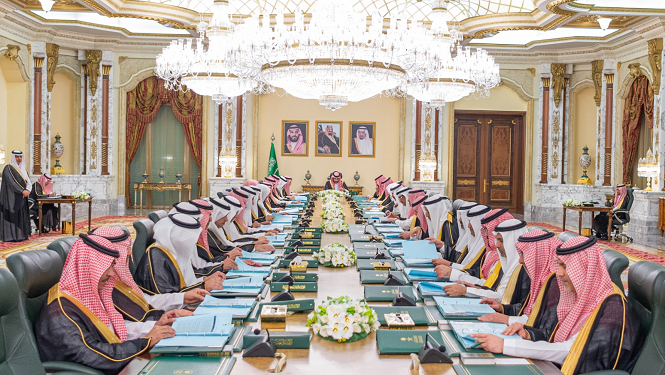
The Saudi Cabinet has officially signaled a transition into the third phase of Vision 2030, marking a shift in the kingdom's long-term economic diversification strategy. This development follows the conclusion of the first and second phases, which focused on foundational structural reforms and the initial scaling of non-oil sectors. The government is now intensifying efforts to ensure the sustainability of these gains as the program enters a more mature stage of implementation.
Structural Evolution of the Economic Agenda
The transition to the third phase suggests a move away from broad-based reform toward targeted execution and operational efficiency. The initial phases of Vision 2030 prioritized the creation of regulatory frameworks and the launch of massive infrastructure projects designed to reduce reliance on hydrocarbon exports. By calling for intensified efforts now, the Cabinet indicates that the focus is shifting toward the integration of these projects into the broader economy and the optimization of capital allocation.
This phase is expected to prioritize the maturity of non-oil revenue streams and the scaling of domestic industries that were previously in the pilot or construction stages. The government's emphasis on sustainability implies that future fiscal policy will likely be more sensitive to the performance of these new economic pillars. Investors should monitor how this shift influences the deployment of capital from the Public Investment Fund and the prioritization of ongoing mega-projects.
Sectoral Read-Through and Capital Allocation
The move into the third phase serves as a signal to both domestic and international stakeholders regarding the long-term commitment to economic transformation. As the kingdom moves past the initial setup period, the focus on sustainability suggests that project viability will become a more prominent metric for success. This evolution is critical for sectors such as tourism, manufacturing, and renewable energy, which have been central to the diversification narrative.
- Prioritization of operational efficiency in existing mega-projects.
- Increased focus on the fiscal sustainability of non-oil revenue streams.
- Refinement of regulatory environments to support long-term private sector participation.
For global markets, the transition highlights the kingdom's intent to maintain a steady pace of investment despite shifting global energy dynamics. The Cabinet's directive suggests that the government is prepared to adjust its tactical approach to ensure that the economic momentum generated during the first two phases is not lost. This is particularly relevant for firms engaged in infrastructure, technology, and financial services that have established a footprint in the region.
AlphaScala Data Context
AlphaScala analysis indicates that the shift toward the third phase correlates with a tightening of project selection criteria across the kingdom's sovereign investment landscape. This trend reflects a broader move toward fiscal discipline as the economy seeks to balance ambitious growth targets with long-term financial stability.
Market participants should watch for the next round of budget disclosures and official updates on the progress of key Vision 2030 initiatives. These documents will serve as the primary indicators of how the third phase is being funded and which specific sectors are being prioritized for further expansion. The alignment of private sector capital with these government-led objectives remains the primary marker for the success of this next phase. For broader context on how regional shifts impact global equity flows, see our stock market analysis.