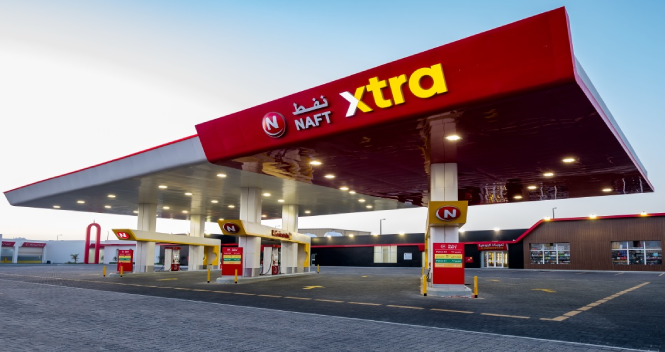
Saudi Automotive Services Co. (SASCO) confirmed the receipt of SAR 13.02 million in compensation on April 26. This payment follows the government-mandated expropriation of a service station asset located in Jeddah. While the cash inflow provides immediate liquidity, the company has formally flagged a negative financial impact of SAR 8.2 million that will be recognized in its Q2 2026 financial statements.
Asset Valuation and Financial Impact
The gap between the compensation received and the projected financial impact highlights the difference between book value and settlement valuation. SASCO is effectively accounting for a loss on the disposal of the asset, even as the cash proceeds bolster the balance sheet. This accounting treatment suggests that the carrying value of the Jeddah station on the company's books exceeded the compensation amount provided by the expropriation authority.
Investors should note that the impact is deferred until 2026. This timeline allows the company to manage the transition of its operations in the region without immediate pressure on current-period earnings. The company maintains a broad network of service stations, and the loss of a single site typically triggers a re-evaluation of regional footprint efficiency and capital allocation strategies.
Operational Read-through and Capital Allocation
Expropriation events often force companies to reconsider their real estate strategies. For a firm like SASCO, which relies on high-traffic locations for its core revenue, the loss of a site in a major metropolitan area like Jeddah requires a strategic response. The company must now decide whether to deploy the SAR 13 million in proceeds toward the acquisition of new sites or toward the modernization of existing infrastructure.
This event serves as a reminder of the regulatory risks inherent in infrastructure-heavy business models. While the compensation provides a floor for the asset value, the loss of operational capacity can create a drag on revenue if the capital is not redeployed effectively. The market will look for details on how this specific site contributed to regional performance metrics before the expropriation occurred.
AlphaScala data currently tracks various sectors with mixed outlooks, including technology firms like ON stock page and consumer-focused entities like AS stock page. Understanding how companies manage non-recurring events like asset expropriation is a key component of stock market analysis when assessing long-term operational stability.
Next Steps for Financial Reporting
The primary marker for investors is the upcoming quarterly filing, where the company may provide additional context regarding the specific accounting adjustments associated with the SAR 8.2 million loss. Management may also offer guidance on whether the proceeds will be earmarked for specific capital expenditure projects or if they will be held as cash to offset the loss of future earnings from the Jeddah location. The delay in the financial impact until 2026 provides a window for the company to offset this loss through operational improvements elsewhere in the network.