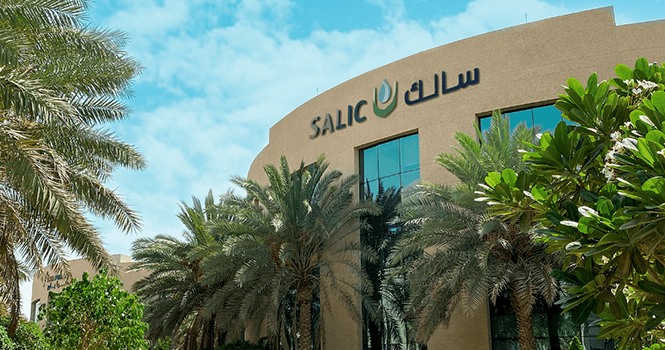
SALIC Consolidates Control of Olam Agri in SAR 7 Billion Expansion

SALIC has increased its stake in Olam Agri to 80 percent in a SAR 7 billion deal, signaling a strategic shift toward sovereign control of global agricultural supply chains.
HASBRO, INC. currently screens as unscored on AlphaScala's scoring model.
Alpha Score of 47 reflects weak overall profile with moderate momentum, poor value, moderate quality. Based on 3 of 4 signals — score is capped at 90 until remaining data ingests.
Alpha Score of 34 reflects weak overall profile with poor momentum, weak value, weak quality, weak sentiment.
Alpha Score of 45 reflects weak overall profile with strong momentum, poor value, poor quality, weak sentiment.
The Saudi Agricultural and Livestock Investment Company (SALIC) has finalized a transaction to increase its ownership in Olam Agri to 80 percent. This SAR 7 billion deal marks a significant shift in the ownership structure of the global agribusiness firm, moving it from a joint venture model toward a consolidated subsidiary of the Saudi Public Investment Fund (PIF) ecosystem. By securing this majority stake, SALIC effectively integrates Olam Agri into its broader mandate to secure food supply chains and enhance agricultural resilience for the Kingdom.
Strategic Consolidation of Global Supply Chains
The move to 80 percent ownership signals a departure from the previous partnership framework, placing Olam Agri under the direct strategic oversight of a sovereign-backed entity. Olam Agri operates as a major player in the global trade of grains, oilseeds, and rice, with an extensive footprint in emerging markets. For SALIC, this acquisition provides direct control over a vast logistics and procurement network that spans multiple continents. The transaction is designed to mitigate volatility in food imports by aligning the operational priorities of a global commodity trader with the long-term food security goals of the PIF.
This consolidation reflects a broader trend among sovereign wealth funds to move beyond passive minority investments in favor of operational control over critical infrastructure. As global food markets face recurring disruptions, the ability to command supply chains from the point of origin to the final destination becomes a strategic asset. The shift in ownership structure suggests that Olam Agri will likely prioritize capital allocation toward infrastructure projects that support the specific import requirements of the Saudi market.
Sector Read-through and Valuation Dynamics
The valuation of SAR 7 billion for the additional stake provides a benchmark for the current market assessment of large-scale agricultural trading platforms. This transaction highlights the premium placed on established supply chains that possess both physical assets and deep-rooted relationships in agricultural exporting nations. Other firms operating in the global commodities space will likely face pressure to demonstrate similar levels of vertical integration as state-backed entities continue to prioritize supply chain security over pure financial yield.
Market participants should monitor how this ownership change influences Olam Agri's future capital expenditure plans. The integration into the PIF portfolio may lead to a shift in the company's risk appetite, particularly regarding investments in high-growth but politically sensitive regions. The following factors will serve as the primary indicators of the company's new strategic direction:
- The potential realignment of Olam Agri's regional procurement focus to prioritize Saudi food security requirements.
- Changes in the composition of the board of directors to reflect the increased influence of SALIC.
- The potential for future infrastructure investments in port facilities or processing plants that align with the PIF's broader Canadian Regulatory Friction Outweighs Tariff Risks for Domestic Industry and global logistics strategy.
Next Steps in Sovereign Integration
The next concrete marker for this transition will be the announcement of any restructuring within Olam Agri's management team or a formal update on its five-year capital deployment strategy. As SALIC moves to exert its influence, the market will look for signs of whether the firm maintains its previous operational autonomy or pivots toward a more centralized model of state-directed resource management. Any updates regarding the remaining minority interest will also provide clarity on the long-term exit or retention strategy for the remaining partners involved in the venture.
AI-drafted from named sources and checked against AlphaScala publishing rules before release. Direct quotes must match source text, low-information tables are removed, and thinner or higher-risk stories can be held for manual review.