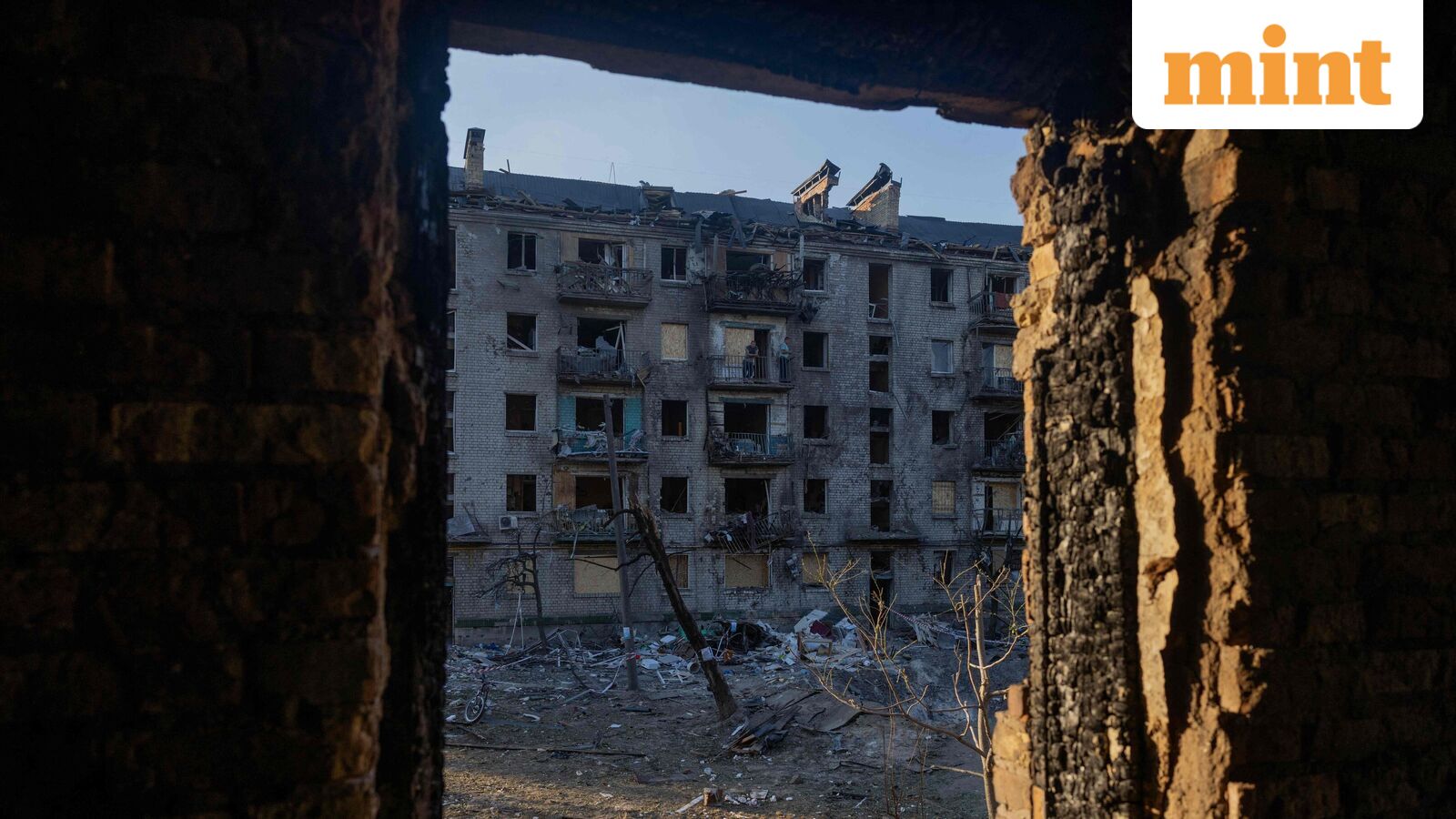
Russia fired its largest-ever drone and missile barrage at Kyiv early Thursday, killing at least 27 people and wounding 91, the city's mayor said. The attack escalates the 28-month war and shifts the risk calculus for defense contractors and European gas markets.
Defense Stocks: The Demand Signal
Defense contractors tied to Ukraine's supply chain saw their shares rise in premarket trading after the news, traders said. When the war scales, ammunition consumption scales. Ukraine's backers, including the U.S. and European allies, need to replenish stockpiles faster. That flow was already rising after the $61 billion U.S. aid package passed in April. Thursday's attack makes a next round of appropriations more likely. Companies that build Patriot batteries and HIMARS launchers are the primary beneficiaries. Lockheed Martin and RTX are the two largest suppliers of those systems. General Dynamics, which produces 155 mm shells, also benefits from higher artillery consumption.
The attack came as U.S. and European officials meet in Washington for the NATO summit, originally scheduled to discuss longer-term security guarantees for Ukraine. That meeting now has a different tenor. Any new aid pledges or security guarantees announced there will shape the next leg of the trade. Traders said the summit's outcome is the next concrete catalyst for defense stocks.
European Gas and Safe Havens: The Risk Path
European natural gas markets have a different risk path. The attack hit Kyiv, not pipeline hubs or storage sites. The message is broader: Russia is willing to escalate. Any expansion of the war toward energy infrastructure would directly tighten supply. European gas storage stands at about 80% of capacity, well ahead of typical levels for July. A cold winter or an infrastructure strike would erase that buffer quickly. Traders price that possibility in every escalation edge.
Safe havens get a natural bid. Gold tends to rise when geopolitical risk jumps. The U.S. dollar strengthens against currencies of countries closest to the conflict, especially the euro and the zloty. U.S. Treasuries see buying as a risk-off flow, pulling yields lower. These moves are reflexive in the first hours after a high-casualty attack.
A ceasefire that holds for more than a week would reduce the risk. A Ukrainian counteroffensive that retakes significant territory without a Russian retaliation would also calm markets. Neither is on the table right now. A strike that hits NATO territory, even by accident, would worsen the situation. An escalation in economic warfare, such as a full Russian blockade of Odesa, would push defense stocks and safe havens higher and energy markets into a genuine supply panic.
Kyiv's mayor called it the most massive assault on the capital since the invasion began. The numbers alone justify the label: 27 dead, 91 wounded, drones and missiles timed to overwhelm air defenses. The market's job is to figure out which of those numbers changes the supply chain for munitions, gas, and safe-haven assets. The answer is most of them.
The NATO summit runs through Saturday. Any new aid pledges or security guarantees announced there will shape the next leg of the trade.
For a broader look at how geopolitical events affect stock market sectors, read our stock market analysis.