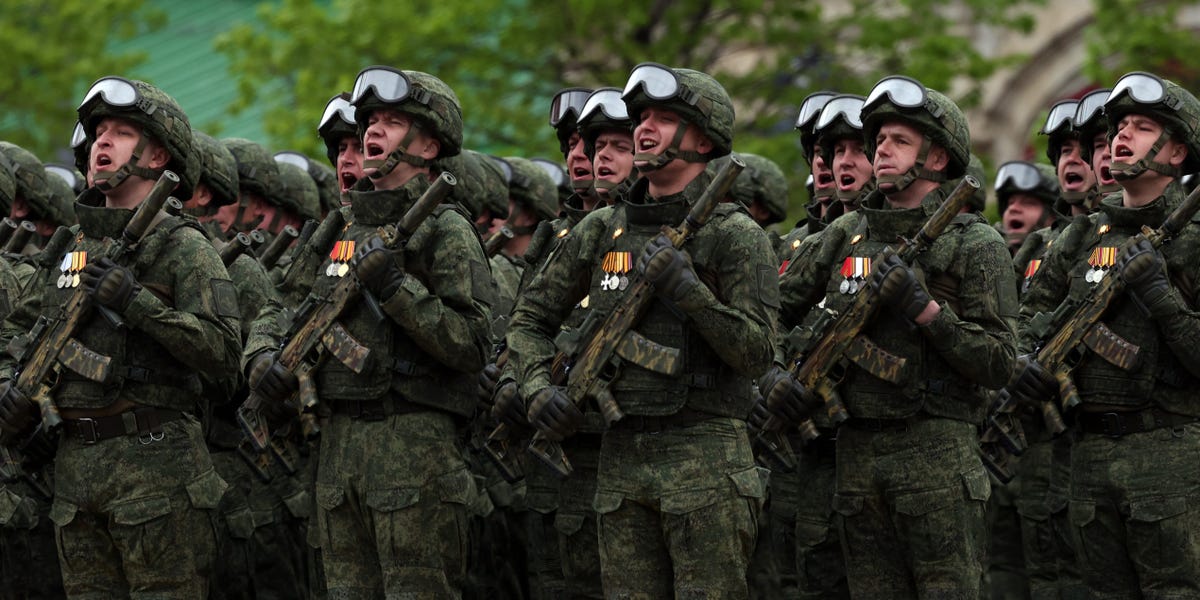
Russian infantry on the southern front are walking roughly 18 miles to reach their combat positions because supply routes have been disrupted, Ukraine's Defense Minister Fedorov said.
The minister did not specify which section of the front or when the situation took effect. His statement is the latest signal that Ukraine's campaign against Russian logistics – including strikes on ammunition depots, rail hubs, and fuel convoys – is taking a growing toll on Moscow's ability to sustain offensive operations.
Fedorov's comment echoes assessments from Western intelligence officials who have described Russian supply lines as increasingly brittle, particularly in the Zaporizhzhia and Kherson sectors. Troops forced to cover that distance on foot arrive exhausted and often without heavy equipment, which limits their combat effectiveness.
The development also underscores the gap between Russia's numerical advantage in personnel and its ability to keep those troops supplied. Previous Ukrainian strikes have destroyed critical bridges and railway junctions, forcing Russian units to rely on roads that are within range of Ukrainian artillery and drones.
For markets, the protracted nature of the conflict continues to support elevated defense spending across NATO countries. The U.S. recently approved additional aid packages, and European defense budgets are rising. Investors in aerospace and defense ETFs have seen steady inflows as the war grinds on. Energy prices also remain sensitive to any escalation that threatens Russian oil or gas infrastructure.
Fedorov gave no timeline for when the logistics situation might improve. The comment is the latest data point for anyone tracking the war's trajectory and its downstream effects on supply chains, commodity prices, and geopolitical risk premiums.