President Vladimir Putin signed legislation that permits cryptocurrencies to be used in foreign trade settlements. The law, which takes effect in stages, keeps digital assets banned as payment inside Russia and caps retail trading at 300,000 rubles per year through each intermediary.
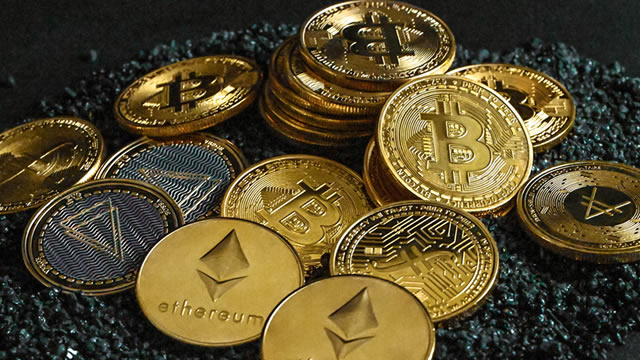
The Bank of Russia named Bitcoin and Ethereum for initial exchange trading. It also approved Tether's USDT, the largest stablecoin by market cap. The selection considered market capitalization and trading volumes. Price-formation transparency was also a factor, the central bank said.
Financial commentator Andrei Jikh characterized the move as a strategic response to sanctions and the growing digitization of the U.S. dollar. "It's about creating alternative channels for moving international capital, not about embracing decentralization," Jikh said in a video analysis.
Under the new framework, Russian companies can receive or send digital assets via blockchain and convert them into other currencies. That reduces reliance on banking structures that sanctions have restricted. The Bank of Russia confirmed that international transactions will remain subject to oversight. Digital assets held abroad must be declared to tax authorities.
Qualified investors gain more flexibility. They can trade without the retail limit, though regulatory requirements still apply. Platforms seeking formal participation must hold minimum capital of 15 million rubles. Existing operators have until July 1, 2027 to obtain licenses and comply with the new rules.
One restriction is absolute: cryptocurrencies cannot pay for goods or services inside Russia. Advertising that promotes such payments is also banned. Moscow is accepting the technology as financial infrastructure while preventing Bitcoin from competing with the ruble domestically.
The timing intersects with U.S. stablecoin policy. In July 2025, the GENIUS Act established a federal framework for payment stablecoins, tightening the link between digital tokens and dollar-based finance. For countries worried about digital dollarization, that creates a new monetary challenge, Jikh argued.
Russia is simultaneously developing its own digital ruble. The Bank of Russia set a large-scale rollout for September 1, 2026, starting with major banks and large retailers. Public awareness remains low. A VTsIOM survey cited by CoinGeek found only 7% of respondents said they were familiar with the digital ruble.
The question for Bitcoin traders is whether the legislation creates real demand. A company could use BTC to move value between two jurisdictions and then convert it into another currency. That processes the transfer without necessarily generating permanent buying pressure, Jikh said. The reform adds institutional legitimacy. Sustained demand depends on whether those transactions stay in Bitcoin rather than flowing through it.