Commodities● Neutral
Rupee Slips to 94.95 as Middle East Tensions Fuel Oil Costs
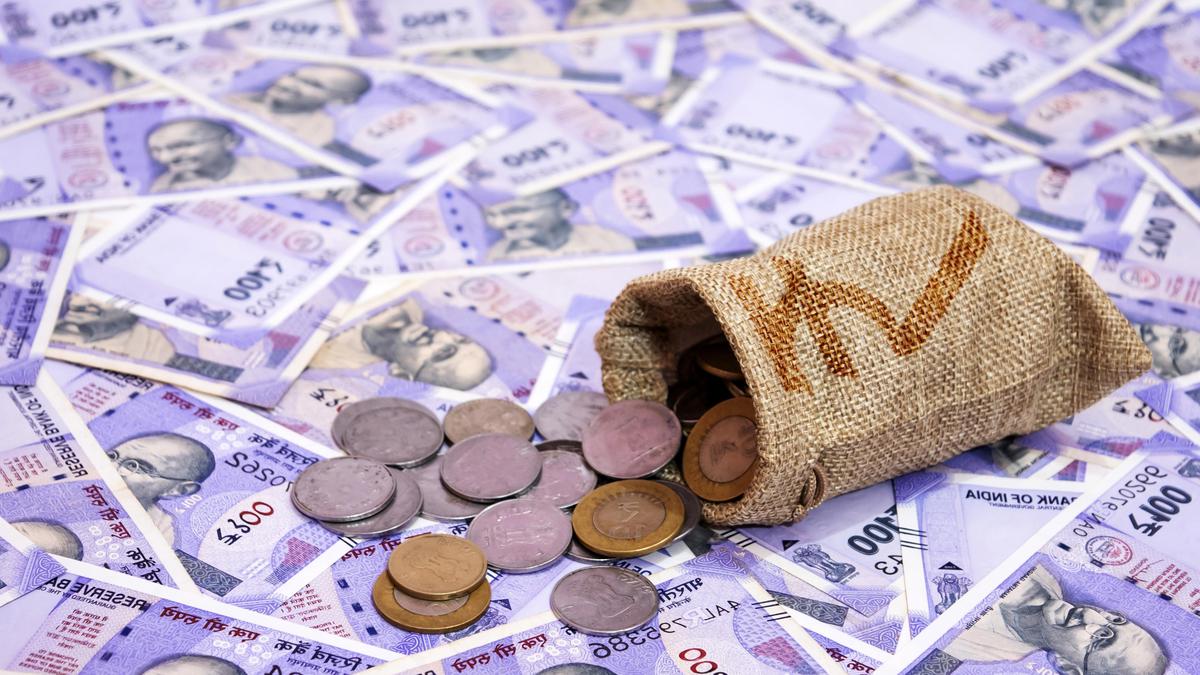
The rupee hit 94.95 as Brent oil prices near $108 per barrel, pressuring India's import bill. Watch for FII flow shifts and Strait of Hormuz developments.
Continue with
The Indian rupee opened the week on a defensive footing, depreciating 11 paise to reach 94.95 against the US dollar in early interbank trade. This move follows a settlement of 94.84 on Thursday, with markets reopening after a holiday for Maharashtra Day. The currency's weakness is primarily a function of structural pressure on India's import bill, driven by the persistent elevation of global energy prices and a broader trend of capital flight from emerging market assets.
The Energy-Currency Transmission Mechanism
The primary driver of the rupee's current volatility is the price of Brent crude, which is hovering near $108 per barrel. As a major oil-importing economy, India faces an immediate balance-of-payments challenge whenever crude prices spike. When Brent trades at these levels, the demand for US dollars from domestic oil marketing companies surges, creating a structural bid for the greenback that often overrides other market signals. The current price of $108.54 per barrel in futures trade underscores the persistent risk premium being priced into energy markets due to geopolitical instability in the Middle East.
While the US has signaled a potential willingness to provide naval guidance for neutral vessels navigating the Strait of Hormuz, this has yet to translate into a meaningful supply-side relief for oil markets. The market remains caught in a tug-of-war between the fear of supply disruptions and the hope for diplomatic intervention. As CR Forex Advisors MD Amit Pabari noted, "The ongoing tensions in the Middle East continue to keep markets on edge. On one side, US President Donald Trump hinted that Tehran's peace proposal may not be enough, keeping uncertainty alive. That’s one reason why Brent crude is hovering near $108, maintaining pressure on oil-importing economies like India."
Capital Outflows and Fiscal Constraints
The currency is also contending with significant foreign institutional investor (FII) outflows. Exchange data from Thursday shows that FIIs offloaded equities worth ₹8,047.86 crore. This selling pressure serves as a dual headwind for the rupee: it reduces the supply of foreign currency entering the local market while simultaneously dampening sentiment in the domestic equity space. Although the Sensex and Nifty posted gains in early trade, rising 657.80 points and 213.35 points respectively, the underlying trend of capital repatriation remains a persistent drag on the rupee's valuation.