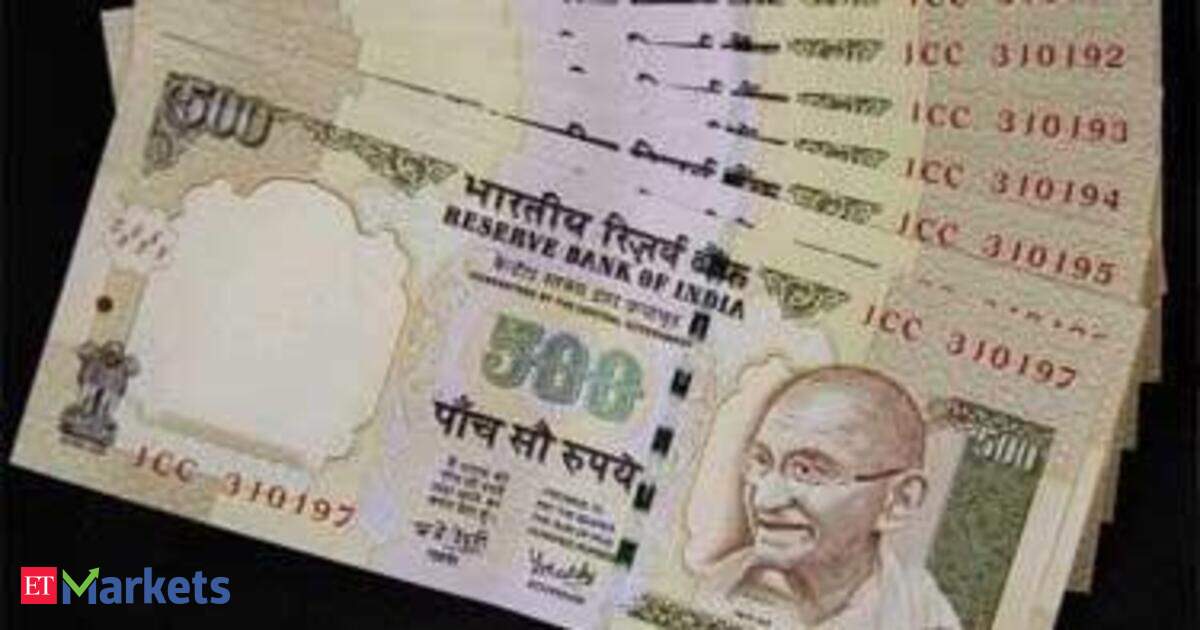
The Indian rupee has hit a fresh record low against the US dollar, and gold prices in INR terms are catching the bid. The simple mechanism is clear: India imports almost all its gold, so a weaker currency raises the landed cost immediately. Domestic gold prices track the rupee’s decline day for day. For holders of gold in rupees, that is a direct tailwind. The question for traders is whether the current consolidation marks a genuine base that can trigger an upside breakout, or whether the move is simply currency noise that will reverse when the rupee stabilises.
Rupee Record Low and the Gold Price Mechanism
India’s reliance on imported gold makes the USD/INR pair the single biggest local driver of gold prices. When the rupee falls, each dollar of gold costs more rupees. That dynamic has pushed spot gold in INR to elevated levels. The relationship is symmetric in the opposite direction: if the rupee recovers, the local gold price will face immediate selling pressure.
The better market read involves the feedback loop. A weaker rupee supports gold, encouraging importers and investors to buy. Those inflows push the INR price higher. At the same time, the rupee’s slide pressures India’s current account deficit and raises imported inflation. That gives the Reserve Bank of India a reason to intervene–through direct dollar sales, tighter liquidity, or rate adjustments. If the RBI steps in aggressively, the rupee could stabilise or rebound. That would remove the key support for gold. For now, the rupee is the anchor. The moment the anchor moves, gold moves with it.
The Fragile Base: Consolidation vs. Currency Noise
The idea of a fresh base formation implies a consolidation pattern that can lead to a sustained rally. In this case, the base is forming under the pressure of a falling rupee. That makes it fragile. A base built on currency depreciation alone is not a structural demand signal. The real test will come when the rupee stops falling. If gold prices hold their gains or continue to grind higher even as the rupee steadies, that would confirm genuine demand and validate the base. If gold retraces sharply on any rupee bounce, the entire move was simply a currency translation effect.
Traders should watch the USD/INR pair for a break below a near-term support level. A sharp reversal–triggered by RBI intervention or a shift in global dollar flows–would weaken the gold case. Continued rupee weakness, even a slow grind lower, keeps the gold bid intact. The setup favours bulls only as long as the rupee continues to slide. That is not a sustainable trade signal; it is a trade that depends on a one-way currency move.
Triggers That Resolve the Setup
Several catalysts could resolve the current range. On the upside, a fresh geopolitical shock would boost global gold demand and layer on top of the rupee effect. Central bank buying, especially by emerging-market central banks adding to reserves even now, provides another potential catalyst. The Goldman Sees Central Banks Boosting Gold Reserves theme is directly relevant here: if that trend strengthens, it adds demand that is independent of currency moves.
On the downside, a decisive move by the RBI to arrest rupee depreciation–through a rate hike or direct intervention–would remove the primary local driver. A sharp rally in global bond yields could also shift capital flows away from gold. The recent rise in yields amid Middle East supply concerns (see Bond Yields Surge as Middle East Tensions Threaten Oil Supply) is already a competing force.
For now, the rupee’s record lows are a clear risk event for gold prices. The next decision point is the RBI’s policy stance. A dovish hold would keep the rupee under pressure and gold supported. A hawkish move–or aggressive currency intervention–would test the base. Either way, the consolidation resolves soon. Watch the rupee, not the gold chart.
For a broader view of commodity markets and their drivers, see commodities analysis and the gold profile.