Stocks● Neutral
Riyadh Short-Term Revenue Index Jumps 10.2% in March
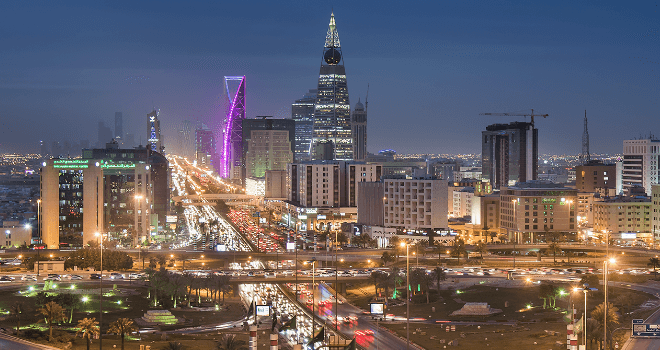
Riyadh's short-term business revenue index rose 10.2% year-over-year to 118.6 in March 2026, offering a positive check on new enterprise health.
Continue with
Riyadh's operating revenue index for short-term businesses rose 10.2% to 118.6 points in March 2026 from 107.6 a year earlier, according to government data. The index tracks nominal revenue for enterprises with less than 12 months of operational history – a segment that captures early demand shifts in the capital. Riyadh is Saudi Arabia's largest city and the primary hub for non-oil economic activity under the Vision 2030 program.
The 10.2% Gain in Riyadh's Short-Term Revenue Index
The series records monthly revenue for newly registered or short-duration businesses across retail, hospitality, logistics, and selected services. The March 2026 reading of 118.6 compares with 107.6 in March 2025 – a nominal gain of 11.0 points. This is the largest year-over-year increase in the series since its inception in 2023. While the data provider does not publish seasonally adjusted or inflation-adjusted figures, the magnitude of the rise suggests nominal revenue expansion for small and medium enterprises in Riyadh.
Riyadh has been a focal point of spending on entertainment, event, and infrastructure projects that draw both domestic and international visitors. The March data likely reflects higher footfall during the winter tourism season and the start of the Umrah travel peak. The index does not break revenue down by sector or payment type, so it is impossible to isolate the driver purely from the aggregate number.