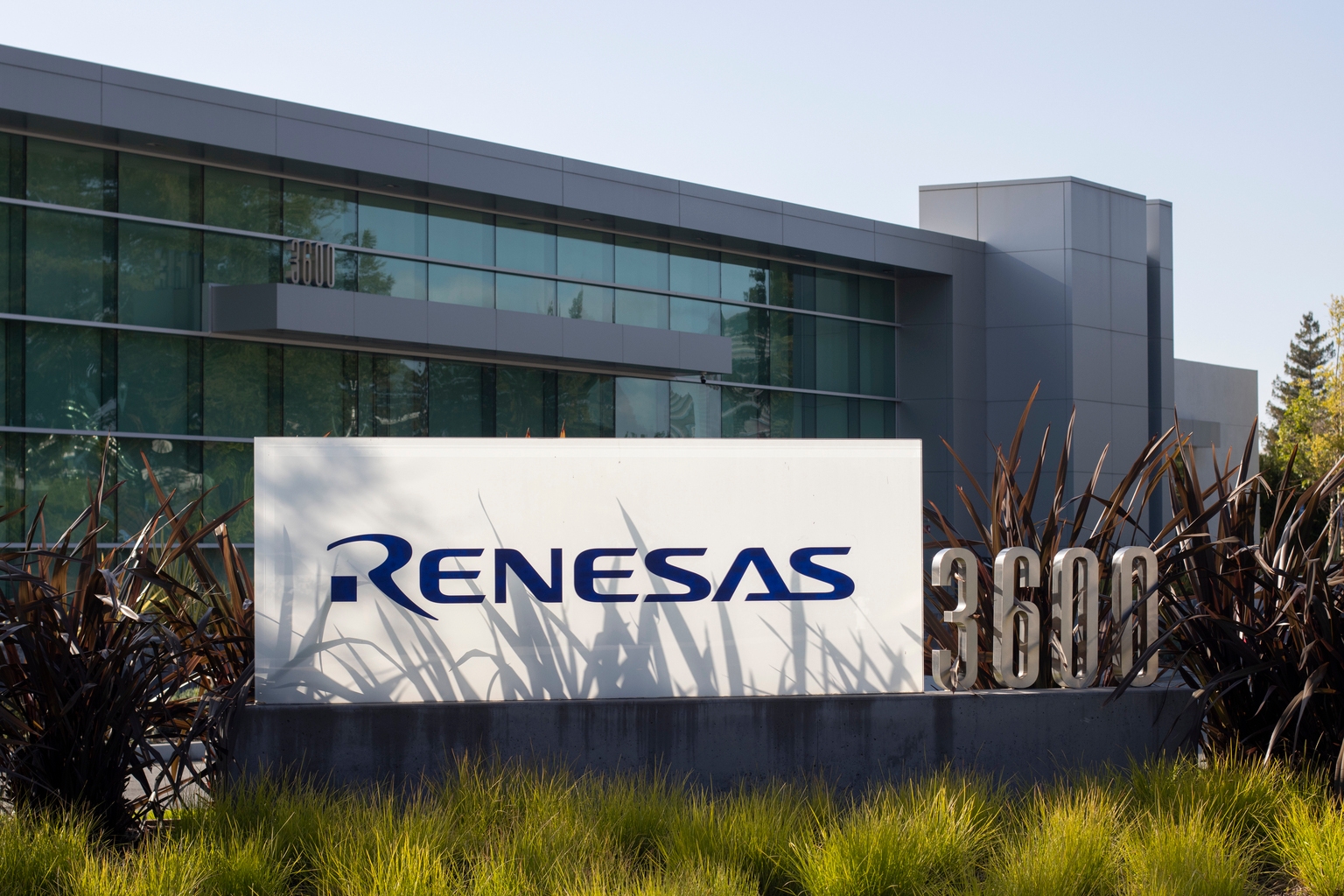
Renesas Electronics recently reported a divergence between its first-quarter performance and its forward-looking guidance, triggering a reassessment of the company's capital allocation strategy. While the firm delivered results that surpassed initial expectations for the period, the subsequent outlook provided by management suggests a more cautious trajectory for the remainder of the fiscal year. This disconnect centers on the company's decision to ramp up capital expenditures at a time when pricing power across the semiconductor sector remains under scrutiny.
Capital Expenditure and Pricing Strategy
The core of the current uncertainty lies in the company's commitment to significant investment in production capacity. By increasing CAPEX, Renesas is positioning itself for long-term growth in automotive and industrial chip segments. However, this strategy introduces immediate pressure on free cash flow and raises questions regarding the sustainability of current margins. If the broader semiconductor market experiences a prolonged period of pricing volatility, these capital-intensive projects may struggle to achieve the anticipated return on invested capital in the near term.
Investors are now weighing the potential for a cyclical recovery against the firm's elevated cost structure. The decision to prioritize infrastructure expansion over immediate margin preservation indicates a management team focused on long-term market share. Whether this strategy will be rewarded depends on the stabilization of demand in the automotive sector, which remains the primary driver of the company's revenue base.
Sector Read-Through and Competitive Positioning
The semiconductor industry is currently navigating a complex transition period characterized by shifting inventory levels and evolving demand for specialized chips. Renesas occupies a critical position within this ecosystem, particularly as it relates to the electrification of vehicle platforms. The company's ability to maintain its competitive edge against larger global peers depends on its execution of these capacity upgrades without sacrificing its pricing discipline.
For those monitoring the broader technology landscape, the challenges faced by Renesas mirror broader trends in hardware manufacturing. As firms like NVIDIA continue to dominate the high-end compute space, companies like Renesas must maintain specialized niches to ensure consistent revenue streams. The current situation highlights the tension between maintaining a lean balance sheet and the necessity of scaling production to meet future demand requirements.
AlphaScala Data and Next Steps
For broader context on how technology firms are balancing growth and valuation, users can review our stock market analysis. Regarding ServiceNow Inc. (NOW), our current Alpha Score sits at 52/100, reflecting a mixed outlook within the technology sector. This score serves as a baseline for comparing how different business models within the tech space are managing their own capital allocation and growth targets.
The next concrete marker for Renesas will be the subsequent quarterly filing, which will provide clarity on whether the increased CAPEX is beginning to translate into improved production efficiency. Market participants should specifically look for updates on capacity utilization rates and any adjustments to the pricing strategy that might signal a shift in management's confidence regarding end-market demand. These metrics will serve as the primary indicators for whether the current investment phase is yielding the intended strategic advantages.