A Strategic Pivot in Energy Procurement
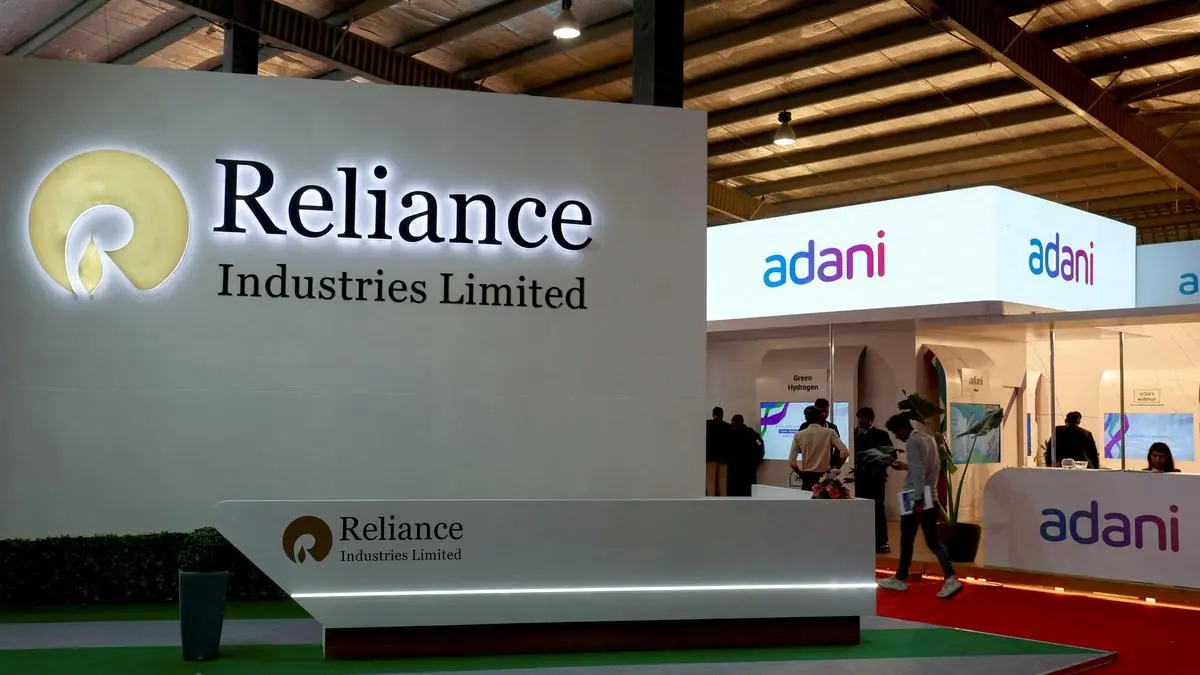
In a move that signals a potential recalibration of India’s energy import strategy, Reliance Industries Ltd. (RIL) has formally approached the Indian government for authorization to resume purchases of Iranian crude oil. The conglomerate, which operates the world’s largest refining complex at Jamnagar, is seeking to diversify its feedstocks as the global energy landscape navigates shifting geopolitical alliances and supply chain volatility.
This development comes at a pivotal juncture for Indian refiners. For the past several months, domestic refiners have aggressively increased their intake of Russian crude, taking advantage of discounted pricing and existing trade mechanisms. However, the regulatory environment remains fluid, particularly as the Trump administration’s previous waivers—which allowed select nations to continue importing Iranian oil despite sanctions—are scheduled to expire this month. Reliance’s request suggests a proactive effort to secure long-term supply stability ahead of any potential tightening in global energy markets.
The Context: Navigating Sanctions and Supply Chains
India, the world’s third-largest oil importer, has historically maintained a delicate balancing act in its energy diplomacy. By seeking clearance to engage with Tehran, Reliance is effectively testing the diplomatic waters, gauging whether the Indian government can negotiate a path that reconciles energy security needs with international sanction frameworks.
The reliance on Russian crude has been a defining feature of the post-2022 energy market. With Western sanctions aimed at Moscow’s revenue streams, Indian refiners—including Reliance and state-run entities like Indian Oil Corp—capitalized on the price arbitrage. Yet, as the expiration of the Trump-era waivers looms, market participants are bracing for a potential supply crunch. Should these waivers lapse without renewal or alternative arrangements, the global crude market could see a sudden reduction in available barrels, putting upward pressure on benchmark prices like Brent and WTI.
Market Implications for Traders
For investors and energy traders, the potential return of Iranian oil to the Indian market carries significant weight.
Firstly, it represents a hedge against the volatility inherent in the Russian trade. If Reliance successfully secures government approval, it would provide a secondary, high-volume source of heavy crude that could stabilize input costs for its massive refining operations. For traders, this could signal a cooling effect on regional refining margins if supply availability increases.
Secondly, the geopolitical optics are critical. If India proceeds with Iranian imports despite the expiry of waivers, it could signal a shift in New Delhi’s willingness to prioritize national energy security over secondary sanctions. Traders should monitor the Indian Ministry of External Affairs and the Ministry of Petroleum and Natural Gas for official statements regarding these waivers, as any signal of non-compliance with U.S. policy could lead to increased volatility in the Rupee (INR) and Indian oil-related equities.
Forward-Looking Analysis: What to Watch
As the expiration date for the current waivers approaches, the market focus will remain on the dialogue between Washington and New Delhi. The primary question is whether the U.S. will offer a grace period or if India will be forced to pivot away from discounted Russian barrels toward a more diversified, albeit potentially more expensive, basket of imports.
Investors should keep a close watch on the following indicators:
- Refinery Throughput Data: Updates from Reliance on crude sourcing and operational capacity.
- Diplomatic Cables: Any official communication from the U.S. State Department regarding India’s energy procurement status.
- Brent/Dubai Crude Spreads: Changes in the price differential between heavy, sour crudes (like those from Iran) and the global benchmarks, which could dictate the profitability of such a trade for Reliance.
The coming weeks will be decisive. If Reliance receives the green light, it could set a precedent for other Indian refiners, effectively altering the flow of energy in the Indo-Pacific region and providing a much-needed buffer against the potential supply shocks of the coming fiscal year.