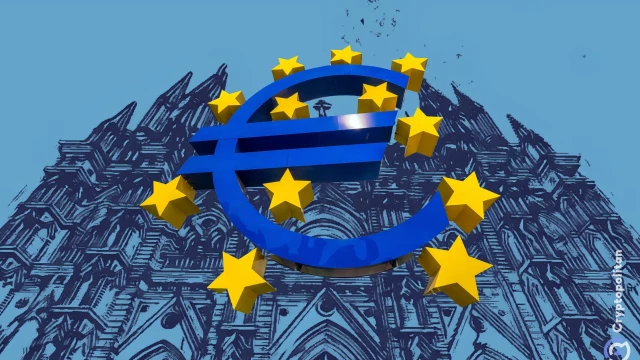
The European Union faces a growing tension between its established regulatory framework and the practical adoption of digital assets. While the Markets in Crypto-Assets (MiCA) regulation aims to provide a standardized environment for digital finance, critics argue that its restrictive requirements create a barrier for stablecoin issuers. This environment complicates the development of euro-denominated assets, potentially hindering the bloc's ability to compete with dollar-backed stablecoins in the global market.
MiCA Compliance and Stablecoin Market Friction
The primary concern regarding MiCA is the operational burden placed on issuers. By imposing strict capital requirements and governance standards, the regulation forces developers to navigate a complex compliance landscape. This friction is particularly evident in the stablecoin sector, where liquidity and speed are essential for market utility. While the regulation provides a degree of legal certainty that was previously absent, the cost of entry may effectively sideline smaller innovators. The result is a market that favors established entities capable of absorbing high compliance costs, which may limit the diversity of euro-backed digital assets available to users.
Divergence in Euro-Denominated Asset Adoption
Despite the regulatory hurdles, there is a measurable increase in the popularity of euro-denominated stablecoins. This trend suggests that users prioritize regulatory clarity over the ease of issuance. When compared to the broader crypto market analysis, the demand for these assets indicates that market participants are seeking safer, compliant alternatives to volatile digital currencies. However, this growth occurs against the backdrop of skepticism surrounding the European Central Bank's own digital euro project. The digital euro is intended to serve as a public alternative to private stablecoins, yet it faces criticism regarding privacy, central control, and its potential to disrupt the existing banking system.
AlphaScala data currently lists Hasbro, Inc. (HAS) as Unscored within the Consumer Cyclical sector. You can track its performance on the HAS stock page.
The Competitive Outlook for European Digital Assets
The long-term viability of the digital euro and private euro-stablecoins depends on how the European Union balances oversight with innovation. If the regulatory framework remains too rigid, the bloc risks losing its share of the digital asset market to jurisdictions with more flexible policies. The current situation creates a clear divide between the official digital euro initiative and the private sector's attempt to build compliant, euro-pegged assets. Market participants are now looking toward the next phase of MiCA implementation, specifically how regulators handle the transition for existing stablecoin issuers. The next concrete marker will be the publication of updated technical standards by the European Banking Authority, which will dictate the operational limits for stablecoin reserves and redemption protocols. These standards will determine whether the current rise in euro-stablecoin usage is a sustainable trend or a temporary reaction to increased regulatory scrutiny.