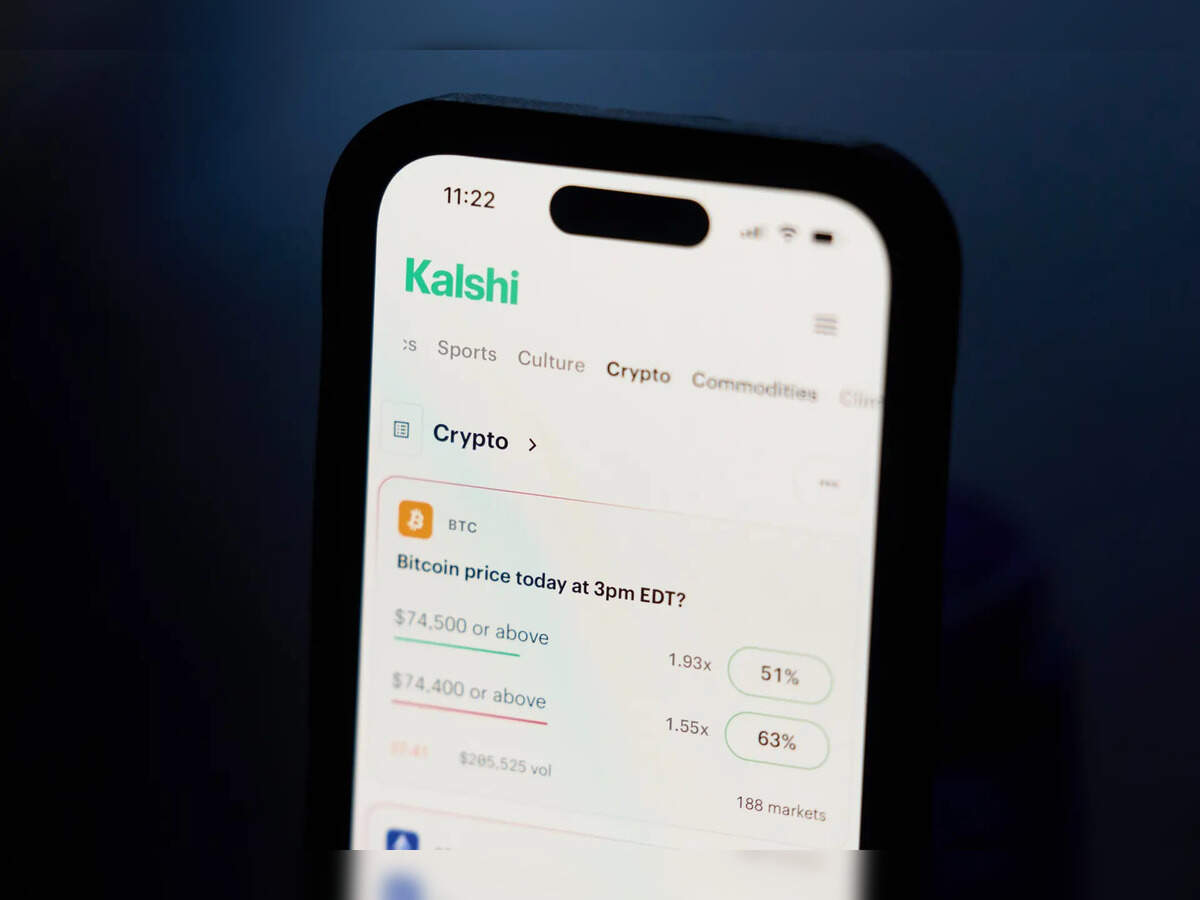
Coinbase (COIN) and prediction markets platform Kalshi announced on Friday that they are launching regulated perpetual crypto futures for U.S. investors. This is the first time such a product – a derivative that never expires and allows high leverage – has been offered under U.S. regulatory oversight.
Perpetual futures, or “perps,” are the dominant trading instrument in crypto outside the U.S., accounting for a large share of global volume. Unlike standard futures, they have no settlement date, meaning traders can hold positions indefinitely. They also permit leverage – often up to 50-to-1 – which amplifies both gains and liquidations.
What Changed: The First U.S.-Regulated Perp Product
The simple read: Coinbase and Kalshi are filling a gap. U.S. retail traders have had limited access to crypto perps, mostly through offshore exchanges like Binance or Bybit. Those platforms lack U.S. registration, exposing users to regulatory risk and potential withdrawal freezes.
The better market read: This is a structural shift in U.S. crypto derivatives infrastructure. Until now, regulated venues such as CME offered only standard futures and options on Bitcoin and Ethereum. Those contracts expire, forcing rolling costs. Perps allow continuous exposure with funding rate mechanisms that balance longs and shorts. By adding perps under a federal regulatory framework – likely through the Commodity Futures Trading Commission (CFTC) – Coinbase and Kalshi open a channel for institutional and sophisticated retail flow that previously had to go offshore.
For Coinbase, the move deepens its revenue base beyond spot trading fees. Perps generate higher fee revenue per dollar of volume because of leverage and continuous rollovers. For Kalshi, a regulated events-exchange, the entry into crypto derivatives broadens its product suite beyond binary prediction contracts.
Why It Matters Now: The Gap in the U.S. Crypto Derivatives Market
The timing coincides with a broader push for regulatory clarity. A bipartisan crypto tax bill recently entered the House, and the CLARITY Act has sparked debate over stablecoin rules. Meanwhile, the SEC and CFTC have been jockeying for oversight of digital assets. A regulated perp product allows U.S.-based traders to access the same tools as offshore peers without legal ambiguity.
The risk: Leverage cuts both ways. The $203 million in crypto liquidations seen in a single flush earlier this year show how perp markets can cascade. Regulated perps require position limits, margin rules, and real-time reporting that offshore venues often ignore. That could reduce systemic blowups – but also reduce the profit potential for speculators accustomed to looser constraints.
For Bitcoin (BTC) and Ethereum (ETH), the launch could increase onshore liquidity and tighten the basis between U.S. and offshore prices. If regulated perps attract enough volume, the funding rate gap between CME futures and the new Coinbase/Kalshi perps will shrink, making arbitrage less profitable but markets more efficient.
The Decision Point: Liquidity, Adoption, and Competition
The first question: Will traders migrate from offshore perps to these regulated versions? Migration depends on fee structures, margin requirements, and whether Coinbase and Kalshi offer sufficient liquidity to execute large orders without slippage. If initial volumes are thin, the product may remain a niche offering for compliance-conscious institutions.
The second question: How will incumbents react? CME could launch its own regulated perp product, or broker-dealers like Interactive Brokers could integrate perp access. The winner in this space will be the platform that balances regulatory safety with trading costs competitive with offshore rivals.
The next catalyst is the first month's volume data. If aggregate notional traded exceeds $1 billion within 30 days, expect rapid copycat launches from other registered exchanges. If volumes disappoint, the narrative that U.S. regulation inherently suffocates crypto derivatives will persist.
For traders watching this space, the key metric is not just volume but open interest – the total value of outstanding contracts. Rising open interest on regulated perps would signal genuine institutional demand, not just retail curiosity.
Read more: Crypto Liquidations Hit $203M as Long Bets Get Flushed, Bitcoin (BTC) profile, Ethereum (ETH) profile, crypto market analysis