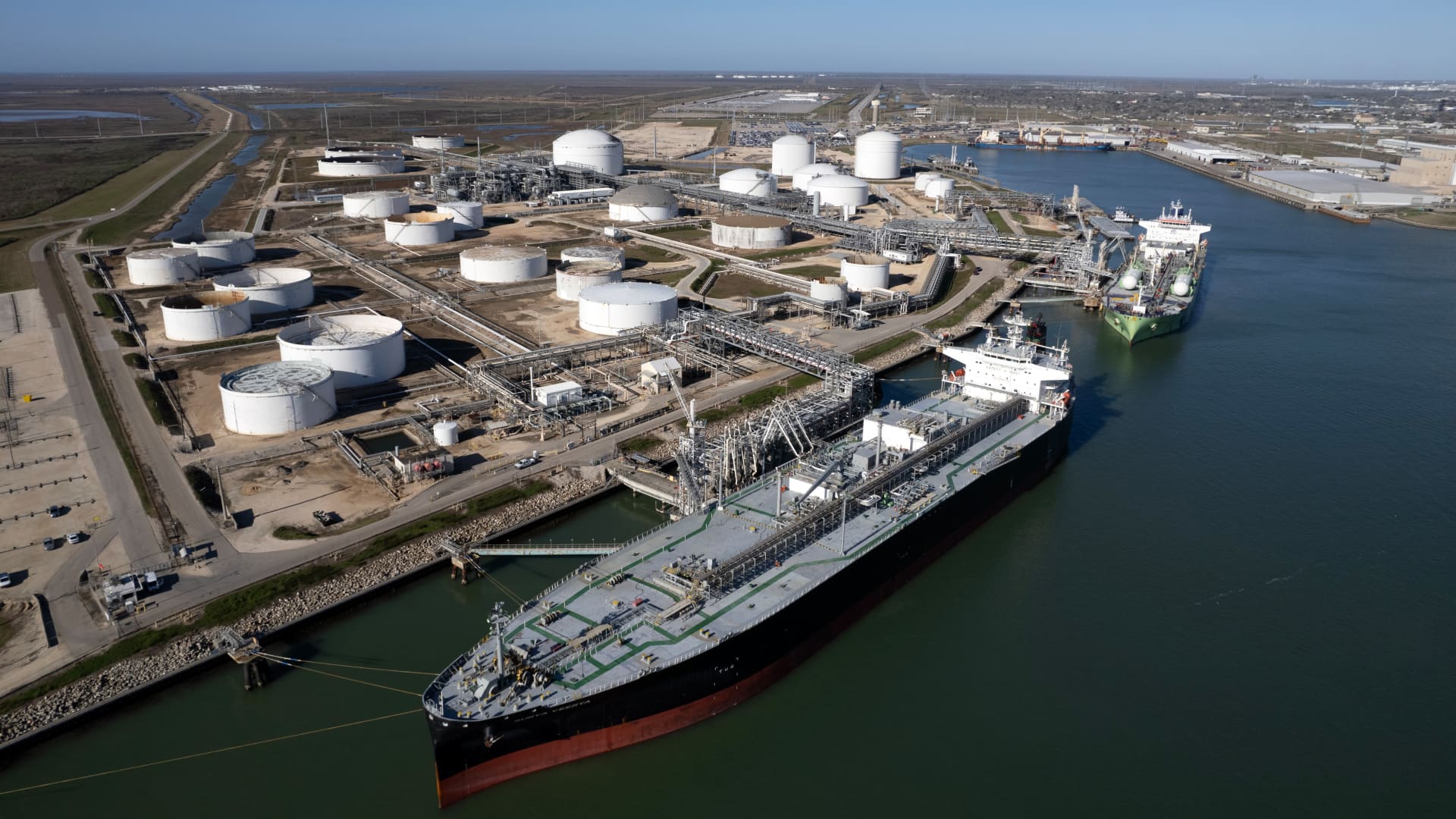
This has been a historic run for refiner stocks. Marathon Petroleum (MPC) and Valero Energy (VLO) each gained over 80% this year, with the S&P 500 up just 11%. Phillips 66 (PSX) rose 66%. The WTI 3-2-1 crack spread, a proxy for refining margins, sits near $59 a barrel – nearly triple its level at the start of 2026.
The 2010-2021 average for that spread was about $19.
Carter Worth at WorthCharting said the S&P 500 Oil & Gas Refining & Marketing Sub Industry Index, which holds MPC, VLO, and PSX, has jumped 104% year to date. As of Friday's close, the group traded 41% above its 150-day moving average. That gap has appeared only five times before, Worth said. In every instance, the index was lower six months later, with an average decline of 10.1%.
The margin driver is geopolitical. The blowout in crack spreads followed hostilities in the Strait of Hormuz, combined with the Russia-Ukraine conflict. Russia, under normal conditions, produces roughly 5.5 million barrels per day of refined products. That output has fallen by 25-30%, by some estimates.
A ceasefire in the Gulf that holds would push crack spreads sharply lower, said Worth. Nymex 3:2:1 spreads stand at $69.92 for September delivery, up from less than $20 in early January. The August 2027 contract trades at $44.38, more than 35% lower. The average for the period between February 2016 and February 2026 – just before the strikes on Iran – was $21.68.
Cyclical businesses look cheapest at the top. Trailing P/E ratios for companies like PSX and MPC have swung between the mid-single digits and 35-40 over the past decade, excluding a pandemic distortion. Right now, record earnings compress those multiples, making the stocks look cheap on a trailing basis – a classic value trap.
"The best cure for high prices is high prices," Worth said, "but it tends to be slow acting." Demand destruction takes time; supply cannot normalize overnight. If product markets stay short, mid-cycle cracks could reset higher, meaning today's multiples may not be as peak-ish as they appear. A continued Hormuz closure into year-end would push "extended" even further.
AlphaScala's composite scores reflect the elevated risk. VLO scores 54 out of 100, labeled Mixed. PSX and MPC score 66 and 60, respectively, both Moderate. The scores suggest the upside is priced in, with limited room for error.
Refining remains a strong business, but anyone who has ridden this trade should consider taking profits, Worth said. For those seeking a bearish bet, options on crack spreads offer a way to position for normalization on any de-escalation headline. The thesis applies broadly across the group, he added.
The August 2027 contract already prices in a 35% decline from September. History, as Worth's data shows, suggests the move lower tends to arrive fast.