Stocks● Neutral
Redrow Commits £10 Million to New 88-Unit Sittingbourne Project
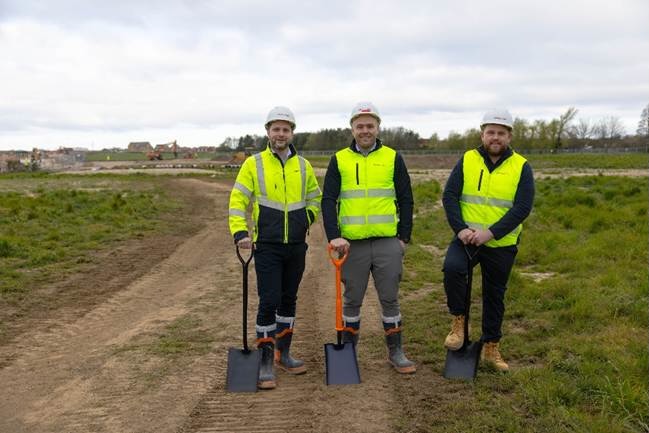
The Heritage Fields development highlights rising infrastructure costs for UK builders. Monitor how these mandatory levies impact future profit margins.
Continue with
Development Scope and Financial Commitments
Redrow South East has broken ground on its Heritage Fields project in Sittingbourne, initiating construction on 88 residential units. The development follows standard planning mandates, with the homebuilder committing £10 million in Section 106 contributions toward local services and infrastructure improvements.
This capital outlay represents a significant localized investment, effectively acting as a tax on the developer to mitigate the strain of new housing on public resources. For investors tracking the UK housing sector, these types of contributions are increasingly common as local councils demand higher fiscal offsets for planning approvals. Builders like Redrow must now factor these costs into their margins, which can compress profitability if localized land values do not appreciate at a rate sufficient to cover the gap.
Market Context and Housing Supply
Construction in the South East remains a bellwether for the broader UK housing market. While the total unit count of 88 is modest, the project highlights the ongoing push by developers to fulfill demand in commuter-belt regions. Analysts following the market analysis desk often look to these regional ground-breakings as indicators of developer confidence in regional pricing power.