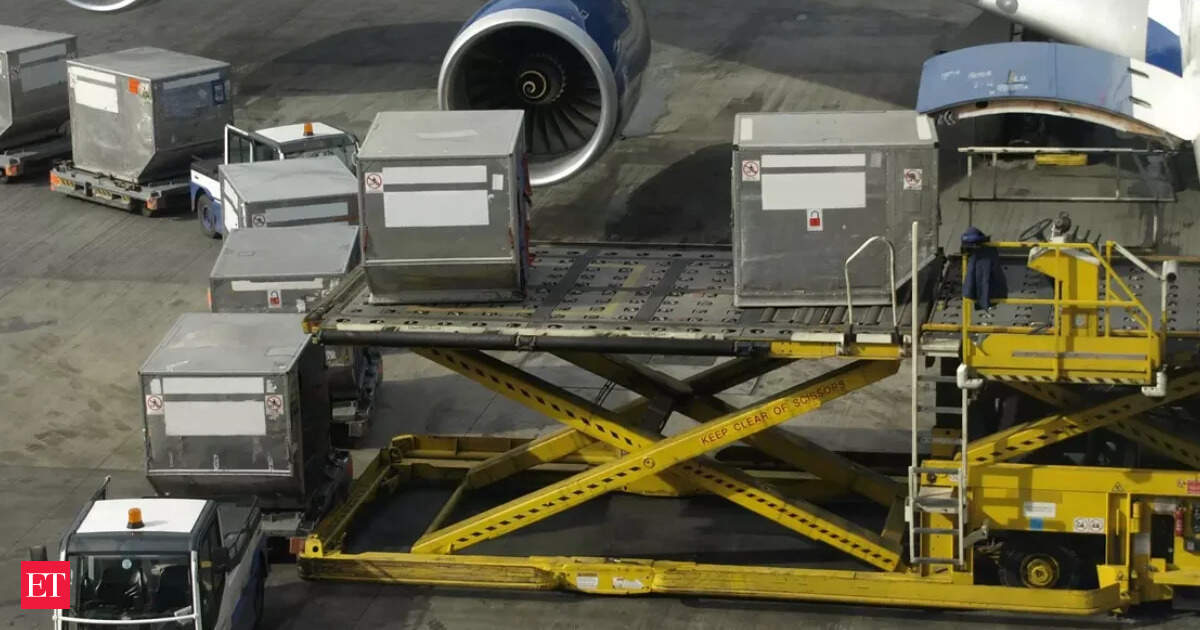
Indian IT distributor Redington is shifting a growing share of its Middle East-bound shipments to air freight after conflict in the Gulf made sea routes unreliable. The move is a direct response to the security breakdown in the Red Sea, where attacks on commercial vessels have forced carriers to abandon the Suez Canal shortcut and reroute around the Cape of Good Hope. For a distributor that moves high-value electronics and IT hardware, the switch to air is a costly operational pivot that rewrites delivery timelines, inventory buffers, and margin math.
Red Sea Disruption Shifts Redington to Air Cargo
The core problem is not just longer transit times. Sea freight through the Red Sea and Suez Canal has become an uninsurable risk for many carriers. Redington is arranging new insurance cover and actively rerouting supplies to keep product flowing into the Middle East. The company’s decision to lean on air freight signals that the disruption is not a short-term blip. When a distributor with thin hardware margins willingly absorbs the higher cost of air cargo, it is trading near-term profitability for delivery certainty and customer retention.
The conflict has effectively split global container shipping into two networks. Vessels avoiding the Red Sea add 10 to 14 days to Asia-Europe and Asia-Middle East loops. That delay cascades into port congestion, container imbalances, and missed delivery windows. For Redington, which supplies everything from laptops to networking gear, a two-week delay can mean a missed project deadline or a lost government tender. Air freight collapses that delay to a day or two, preserving the commercial relationship.
Air Freight Costs Spike on Fuel and Capacity Crunch
The shift to air is not cheap. Air freight rates have risen as higher jet fuel costs and a sudden surge in demand for limited cargo belly space collide. The Red Sea crisis has pushed more shippers toward air, tightening capacity on key lanes from South Asia to the Middle East. Jet fuel prices, tied to crude oil, have stayed elevated, adding a direct cost layer that Redington must either pass on or absorb. Crude oil’s price path remains a critical input for logistics budgets across the supply chain.
The economics are straightforward. Air freight typically costs four to six times more per kilogram than sea freight. For a distributor moving containers of IT equipment, that multiplier can erase the gross margin on a shipment. Redington’s willingness to use air freight suggests the alternative–missing delivery commitments entirely–carries an even higher cost in lost revenue and damaged credibility. The company is also rerouting supplies, which implies it is using alternative airports and logistics hubs to optimize the cost-speed trade-off.
Revenue Growth Outlook Survives Logistics Shock
Redington acknowledged some demand dips in the current environment, yet the company still anticipates revenue growth. That outlook is notable because it implies the air freight pivot is a stopgap that preserves the top line, not a permanent margin reset. The demand softness likely reflects cautious ordering by Middle East clients facing their own economic uncertainty. Redington’s growth expectation suggests the underlying project pipeline and replacement cycle for IT hardware remain intact, even as near-term orders wobble.
The distributor’s ability to maintain revenue growth while absorbing higher logistics costs will depend on two factors. First, how much of the air freight premium it can pass to customers through surcharges or renegotiated contracts. Second, how quickly sea freight normalizes. If the Red Sea remains a no-go zone for another quarter, Redington may need to build air freight into its standard cost model, which would pressure margins unless offset by volume gains or vendor support.
Insurance and Rerouting Define the Next Phase
The immediate catalyst to watch is the insurance market. War-risk premiums for Red Sea voyages have spiked, and some underwriters are excluding the area entirely. Redington’s new insurance arrangements will determine whether it can resume any sea freight at a manageable cost. If insurance becomes unavailable or prohibitively expensive, the air freight reliance deepens.
Rerouting execution is the second variable. Redington is not simply putting boxes on planes. It is reconfiguring supply chains, possibly shifting inventory to forward-staging locations in the Middle East or using sea-air hybrid routes. The speed and cost of that reconfiguration will shape the next two quarters of financial performance. For traders and supply-chain analysts, the key signal will be any update on the duration of the air freight strategy. A return to sea freight would indicate that the Gulf conflict risk is being priced and insured, not avoided. Until then, Redington’s air freight pivot is a real-time case study in how a logistics shock travels from a shipping lane to a distributor’s income statement.