Retail buyers are ditching jewelry for gold coins to bypass labor costs. Watch upcoming trade balance reports to gauge if total consumption is declining.
Alpha Score of 51 reflects moderate overall profile with poor momentum, strong value, moderate quality, moderate sentiment.
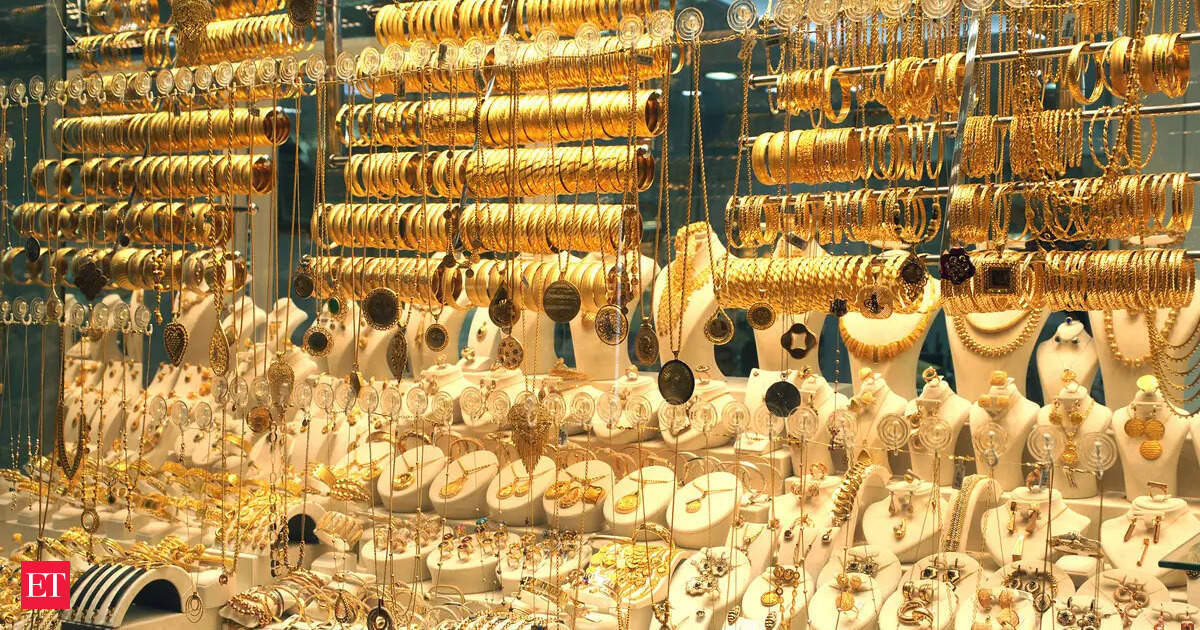
The annual Akshaya Tritiya festival, traditionally a peak period for gold consumption in India, saw a marked cooling in physical jewelry demand this year. Record-high price levels acted as a significant barrier for retail consumers, leading to a shift in purchasing behavior that favored smaller-denomination investment products over traditional ornamental gold. While the total value of transactions remained elevated due to the appreciation in the underlying asset, the actual volume of gold moving through retail channels contracted.
Consumer preference during the festival pivoted toward gold coins and bars rather than finished jewelry. This transition reflects a broader trend among price-sensitive buyers who are increasingly treating gold as a tactical investment vehicle rather than a cultural staple for seasonal gifting or ceremonial use. By opting for coins, buyers minimized the impact of making charges and labor costs associated with jewelry, effectively maximizing their exposure to the metal's price appreciation while limiting discretionary spending.
This behavior suggests that the domestic market is adjusting to a higher price floor. Instead of concentrated buying during auspicious dates, participants are spreading their acquisitions throughout the year. This pattern reduces the intensity of demand spikes during traditional festivals and creates a more consistent, albeit lower-volume, baseline for physical gold consumption.
The current environment for precious metals remains sensitive to global price volatility. As consumers become more adept at timing their purchases, the influence of seasonal calendar events on physical inventory turnover is diminishing. This decoupling of cultural demand from traditional volume patterns is a critical development for bullion dealers who rely on high-turnover periods to clear inventory.
AlphaScala data currently tracks various technology and consumer-facing equities, including ON stock page with an Alpha Score of 45/100, NOW stock page at 53/100, and AS stock page at 47/100. While these assets operate in different sectors, the broader theme of capital allocation remains a central focus for investors navigating current market conditions. For further insights into the factors influencing global supply chains and resource pricing, see our commodities analysis or review the gold profile for a deeper look at long-term price drivers.
The next indicator for the gold market will be the import data for the subsequent quarter. If the trend of year-round, price-sensitive purchasing continues, it may lead to a more stable import schedule rather than the historical volatility associated with seasonal demand. Market participants should monitor upcoming trade balance reports to determine if the decline in jewelry volume is being fully offset by the rise in investment-grade product demand or if total net consumption is entering a period of structural decline.
Prepared with AlphaScala research tooling and grounded in primary market data: live prices, fundamentals, SEC filings, hedge-fund holdings, and insider activity. Each story is checked against AlphaScala publishing rules before release. Educational coverage, not personalized advice.