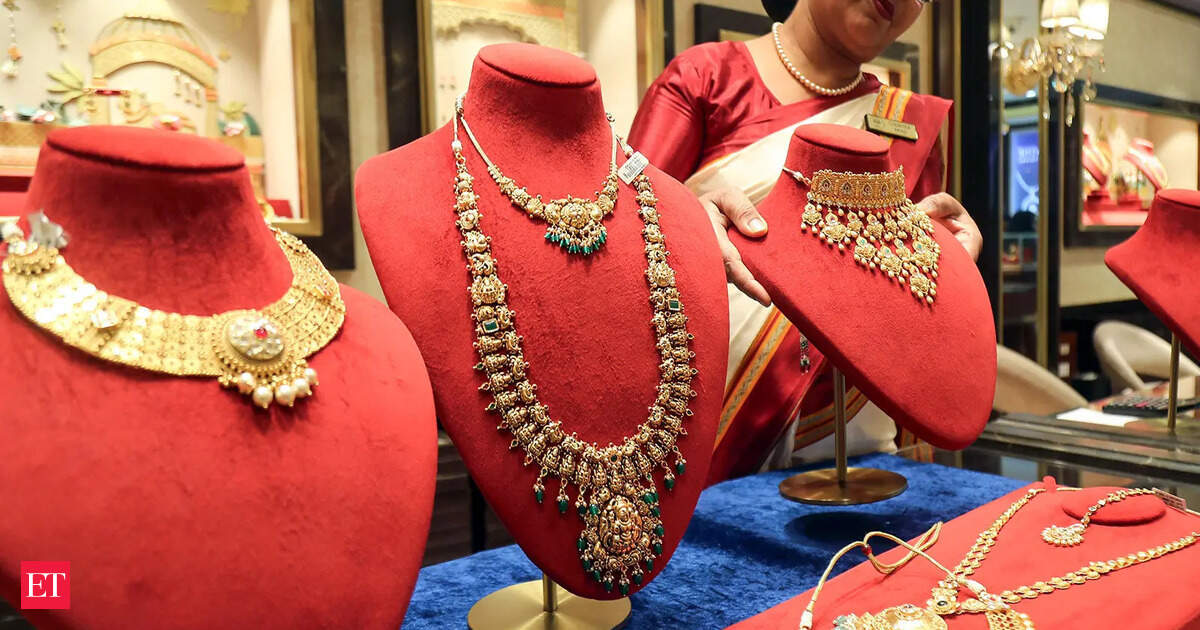
The upcoming Akshaya Tritiya festival is projected to generate precious metal trade volumes exceeding Rs 20,000 crore in India. This anticipated surge in transaction value occurs despite a notable decline in physical volume and the presence of record-high price levels for both gold and silver. The resilience of this market suggests that consumer demand remains anchored in the cultural significance of the event, even as price sensitivity forces a shift in purchasing behavior.
Strategic Shifts in Consumer Purchasing Patterns
High price points for bullion have prompted a structural change in how consumers participate in the market. Rather than abandoning the tradition, buyers are increasingly pivoting toward lightweight jewelry designs to maintain their participation while managing costs. This trend is complemented by a growing preference for silver and diamond-studded products, which offer alternative entry points for those deterred by the current cost of gold.
Financial prudence is further evidenced by the adoption of digital gold and sovereign bonds. These instruments allow for participation in the precious metals market without the immediate requirement for physical storage or the high premiums associated with finished jewelry. This shift toward value-driven acquisition reflects a broader trend of integrating traditional festival spending with modern financial asset management.
Market Dynamics and Inventory Management
Retailers are adjusting their inventory strategies to align with these changing consumer preferences. By emphasizing lower-weight items and digital-first investment products, the industry is attempting to mitigate the impact of lower physical volume on overall revenue. This transition highlights a move toward higher-margin, lower-weight goods that cater to a price-conscious but still active consumer base.
As the market navigates these record price levels, the primary concern for stakeholders is the sustainability of demand if prices continue to climb. The upcoming trade figures will serve as a critical indicator of whether the current shift toward digital and lightweight alternatives can offset the decline in traditional physical volume. For further context on how these shifts influence broader industrial and consumer trends, see our commodities analysis or review the gold profile for historical volatility patterns.
AlphaScala data currently reflects a mixed outlook for various sectors, with Reliance, Inc. (RS stock page) holding an Alpha Score of 44/100, ServiceNow Inc. (NOW stock page) at 48/100, and Amer Sports, Inc. (AS stock page) at 47/100. These scores underscore the broader market uncertainty that often accompanies periods of high commodity price volatility.
The next concrete marker for this market will be the post-festival reporting of actual transaction volumes and the subsequent inventory replenishment cycles. These figures will determine if the current consumer behavior represents a permanent shift in purchasing habits or a temporary adaptation to record-high prices.