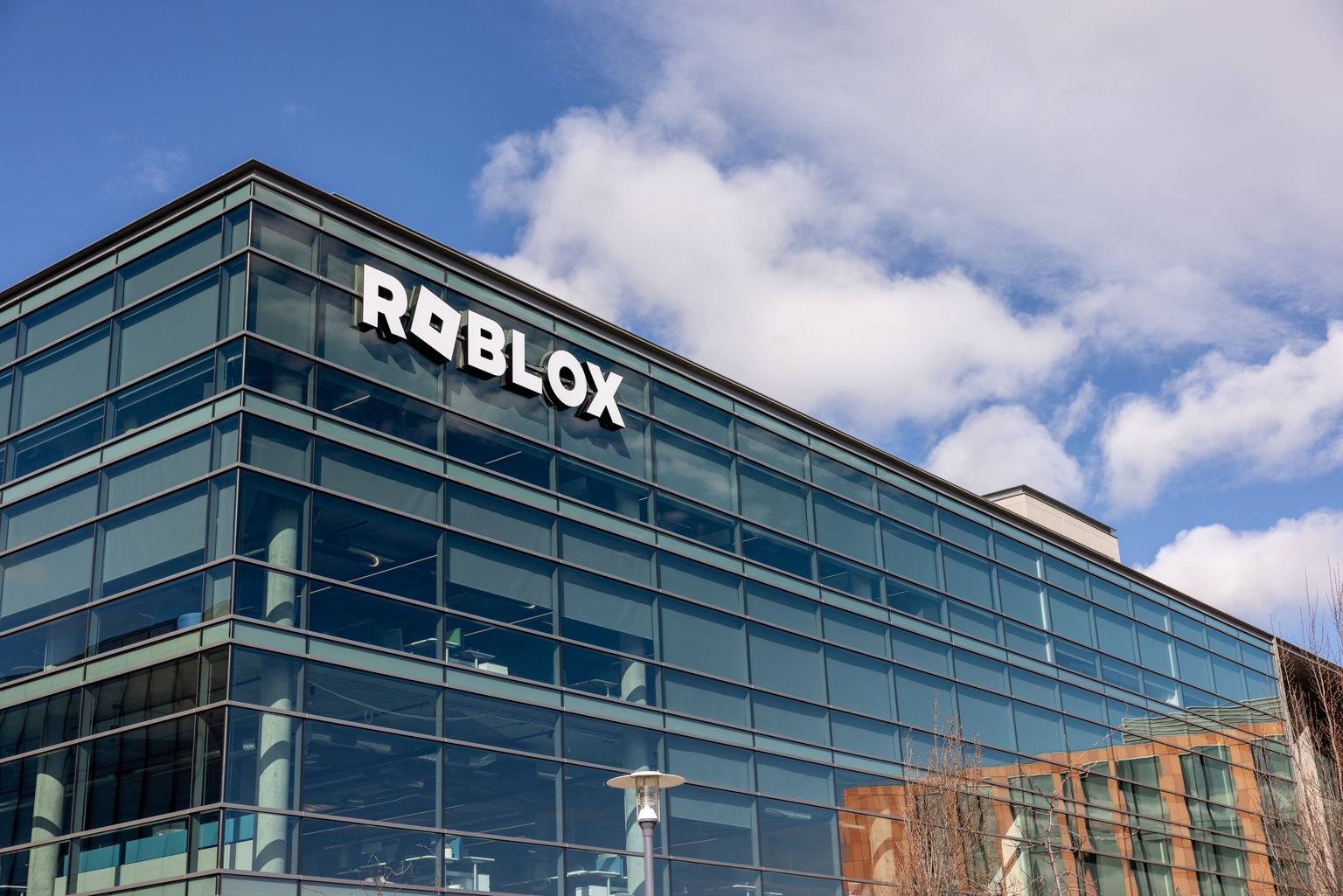
Roblox Corporation (NYSE: RBLX) trades roughly 60% below its pandemic-era peak. A recent analyst note labels the stock a value opportunity after this reset, while simultaneously pointing to added risk. The simple multiple compression story, attractive on the surface, confronts a set of platform-specific exposures that could override the cheap-looking valuation.
The Price Reset That Masks a Fundamental Adjustment
The value argument rests on the sharp decline in RBLX shares from their 2021 peak. On a price-to-sales basis, the stock now trades at a level that would historically attract bargain hunters. The company still commands a dominant position in user-generated gaming, with a massive daily active user base and a platform that functions as a digital social network for younger audiences.
The better market read incorporates the context of that decline. User growth has decelerated markedly from the triple-digit rates recorded during lockdowns. Monetization per user has been inconsistent. Heavy investment continues in infrastructure, trust and safety, and developer payments, all of which compress margins. A lower stock price does not by itself create a value case when the underlying fundamentals are still adjusting to a slower-growth, higher-cost regime.
Trust-and-Safety Overhang: A Regulatory Fragility
A significant portion of the “added risk” resides in Roblox’s exposure to child safety and content moderation. The platform’s reliance on user-generated content makes moderation at scale a persistent challenge. Past incidents involving inappropriate material have triggered lawsuits and negative media attention, each capable of jolting user and advertiser confidence without warning.
The regulatory environment is tightening. Proposals in multiple jurisdictions aim to strengthen online protections for minors, potentially requiring stricter age verification and content-filtering systems. For Roblox, such mandates would raise compliance costs and alter the user experience, which has historically prioritized frictionless access. A single enforcement action or high-profile safety failure would likely force a rapid repricing, independent of how cheap the stock appears on trailing metrics.
Alpha Score 29 Points to a Weak Signal Even After the Drop
AlphaScala’s quantitative framework assigns RBLX an Alpha Score of 29 out of 100, placing it in the Weak tier within the Communication Services sector. This score aggregates technical, fundamental, and sentiment indicators. After a steep decline, many stocks generate tentative buy signals from oversold readings. RBLX has not. The weak score suggests that institutional-quality tailwinds are absent, and the stock’s risk profile remains elevated.
The next catalysts are clearly marked. The upcoming quarterly report will update daily active user figures and bookings trends. A continued deceleration in DAU growth or a miss on average bookings per user would directly undermine the value thesis. Separately, any development in pending class-action suits related to platform safety could either remove a key legal overhang, or confirm that the risk is crystallizing into a financial liability.
What would reduce the exposure: a sustained recovery in DAU growth, the deployment of enhanced moderation tools that satisfy regulatory demands, or a clearly capped legal settlement without structural platform changes. What would make the situation worse: an acceleration of regulatory investigations, another widely publicized safety incident, or a sharper-than-expected decline in engagement among the core demographic.
The value label that has attached itself to RBLX after a sharp drawdown is not automatically incorrect. It brings with it a layer of platform-specific fragility that a simple multiple comparison cannot capture. The trade moves away from a statistical cheapness argument and toward a bet that the company can navigate the next six months without a trust-and-safety event that resets the narrative once again. The quarterly print and any regulatory signals remain the concrete markers.