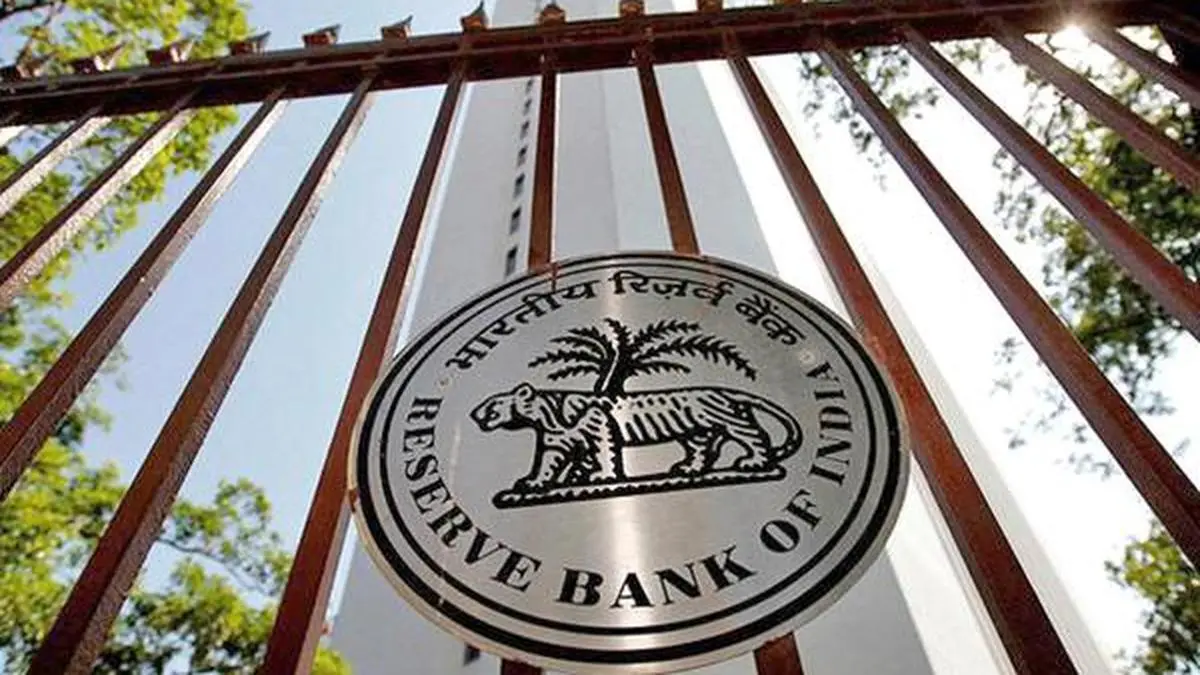
RBI's concessional forex swap reduces bank funding costs and supports the rupee. The Nifty Bank index rose 1.2%. Next catalyst: auction calendar and swap rate spread.
Indian bank stocks climbed more than 1% on Tuesday after the Reserve Bank of India released the mechanics of a forex swap facility designed to lower the cost of overseas borrowing for lenders. The Nifty Bank index rose 1.2% on the session, outpacing the broader Nifty 50 index, which gained 0.5%.
The RBI allows banks to access a concessional forex swap for overseas borrowings with a minimum maturity of three years. The simple reading is that cheaper forex swaps reduce funding costs and boost bank profitability. The better market reading runs through a more specific mechanism.
A forex swap lets a bank raise rupees today in exchange for dollars, with an agreement to reverse the exchange at a future date. The RBI is offering this swap at a rate below what the bank would pay in the open market. The difference between the RBI's swap rate and the market swap rate is the subsidy.
Banks that take this concessional swap reduce their effective cost of raising dollars abroad. That flows directly to the net interest margin on any foreign-currency loan or investment the bank funds with those dollars. For a bank with a large overseas lending book, a 10-15 basis point reduction in funding cost can lift net interest income by a meaningful percentage, depending on the size of the book.
The mechanism does not stop at individual bank P&Ls. The RBI's offer to supply dollars via swaps at a concessional rate has implications for the rupee and domestic bond yields.
When a bank enters the RBI swap, it sells rupees to the RBI in the spot leg and buys them back in the forward leg. The net effect is that the RBI absorbs rupee liquidity in the spot market and supplies it back later. That spot absorption supports the rupee by reducing the available rupee supply against dollars. A stronger rupee reduces the import cost for oil and other commodities, which feeds into lower inflation expectations and, by extension, less pressure on the RBI to hike rates.
More directly, the swap adds dollar supply to the banking system. Banks that take the swap and then on-lend those dollars abroad create a new source of dollar liquidity. That can compress corporate bond spreads for Indian companies issuing foreign-currency debt, lowering their borrowing costs as well. The effect multiplies across the economy if banks pass the savings through to corporate borrowers.
The swap also affects the government bond yield curve. The RBI's swap absorbs rupee liquidity today. If the RBI uses this tool actively, it tightens short-end rupee liquidity without an outright repo rate hike or open market sale. Traders reading the RBI's action as a liquidity-draining alternative to a rate hike may revise down their expectations for repo rate increases, flattening the short end of the yield curve.
The market read on Tuesday assigns the most value to banks with the largest overseas borrowing programs – typically the larger private-sector and state-owned lenders. The Nifty Bank index gains reflected this preference.
Practical rule: The value of this swap facility depends on how many banks use it and at what scale. If utilization is low, the impact on aggregate banking sector earnings will be marginal. Traders should track the monthly RBI swap auction data and the dollar-rupee forward premium – if the premium stays elevated, the swap subsidy is more valuable.
The RBI has not set a limit on the total size of the swap facility. Banks decide how much to access. If the facility is heavily used, the RBI may tighten terms or cap usage to avoid creating a structural dollar shortage in the forward market. An abrupt cap would remove the subsidy and could reverse Tuesday's gains.
Proprietary positioning analysis shows Indian bank stocks are currently held in moderate portfolio allocations relative to the Nifty 50 index weight. The sector is neither overcrowded nor heavily underweight. Tuesday's move brought the sector closer to short-term overbought levels on the 14-day RSI, suggesting limited near-term upside before a pullback.
The next catalyst for the trade is the RBI's monthly swap auction calendar, expected in the first week of next month. The auction size and the spread between the RBI's swap rate and the market swap rate will tell traders the actual subsidy on offer. A wider spread means a larger subsidy. A narrow or no spread means the facility is symbolic. Traders watching the USD/INR pair should also monitor the forward premium – if it rises sharply, the demand for RBI swaps will increase, extending the run in bank stocks. If the premium falls, the value of the subsidy erodes, and the sector move loses its anchor.
Prepared with AlphaScala research tooling and grounded in primary market data: live prices, fundamentals, SEC filings, hedge-fund holdings, and insider activity. Each story is checked against AlphaScala publishing rules before release. Educational coverage, not personalized advice.