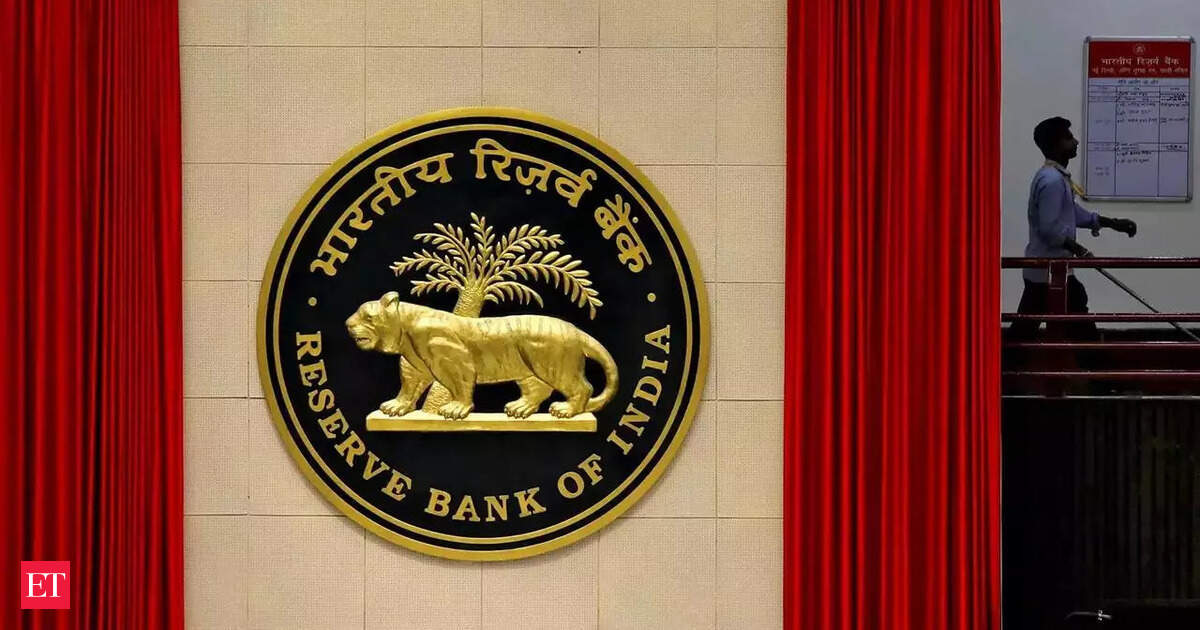
The Reserve Bank of India has issued a formal warning regarding the proliferation of unauthorized campaigns promising loan waivers to borrowers. These claims, often circulated through informal channels, suggest that debt obligations can be extinguished outside of established legal and regulatory frameworks. The central bank has characterized these activities as a direct threat to the integrity of the national credit system, noting that such misinformation is designed to manipulate borrower expectations and undermine long-standing credit discipline.
For market participants, the transmission mechanism here is clear. When borrowers are led to believe that their debt obligations are negotiable or subject to arbitrary cancellation, the immediate result is a shift in repayment behavior. This creates a friction point in the credit cycle, as banks and non-bank financial institutions face potential spikes in delinquency rates that are not driven by macroeconomic stress, but by a degradation of the contractual relationship between lender and borrower. The RBI’s intervention is a preemptive strike against this behavioral contagion, aiming to stabilize the credit environment before it manifests as a systemic increase in non-performing assets.
This development is particularly relevant when evaluating the stability of the RBI Signals Shift Toward Deeper Banking Oversight framework. By explicitly threatening legal action against those promoting these false waiver claims, the regulator is signaling that it will not tolerate attempts to bypass the formal debt resolution process. This is a crucial distinction for institutional investors who monitor the health of the banking sector. The risk is not necessarily the loss of capital from a single loan, but the potential for a broader erosion of the repayment culture that underpins the entire financial system.
Market observers should view this as a signal of the central bank's tightening stance on operational risks within the retail and MSME lending segments. As the regulator moves to enforce stricter compliance, the focus shifts to how financial institutions manage their communication with borrowers. Any institution that fails to effectively counter these false narratives risks seeing a deterioration in its asset quality metrics. This is a critical factor for those tracking the Central Bank of India Braces for New ECL Provisioning Rules as the industry prepares for more rigorous accounting standards.
The next decision point for the market will be the subsequent monthly data on retail credit delinquency and the frequency of enforcement actions taken by the regulator against these fraudulent entities. If these campaigns persist, the RBI may be forced to escalate its oversight, potentially leading to more stringent reporting requirements for lenders regarding their borrower outreach and debt collection practices. Monitoring the effectiveness of these regulatory warnings will be essential for assessing the resilience of the credit cycle in the coming quarters.