Back to Markets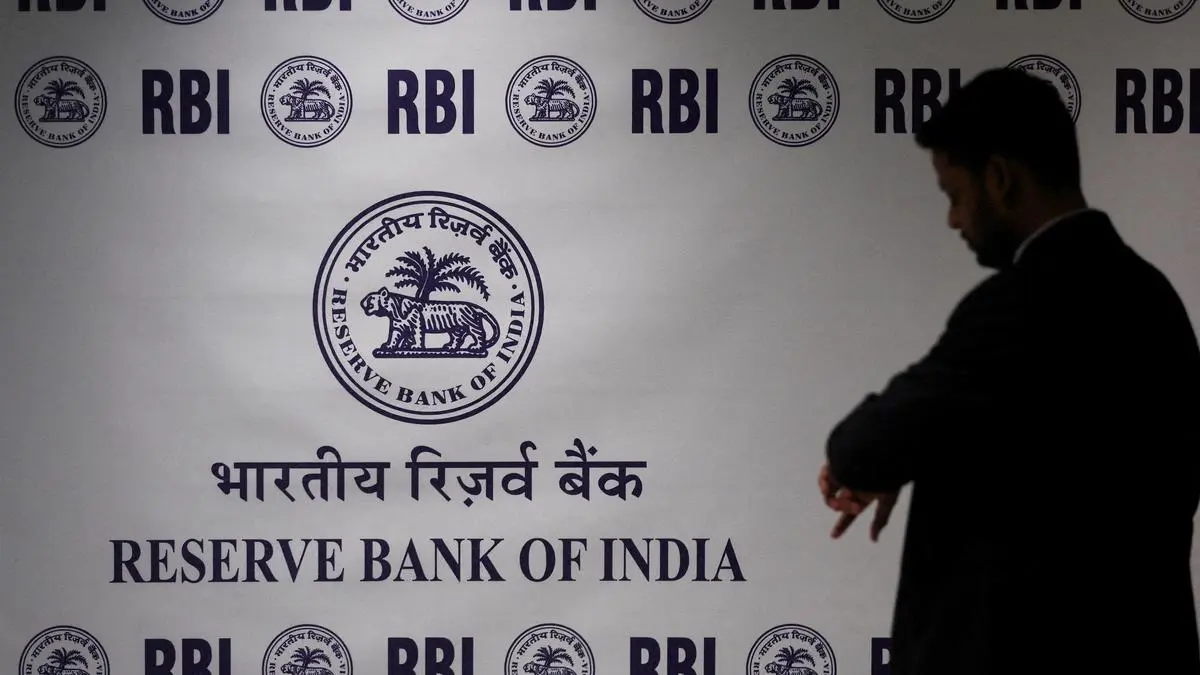 View all Q&A →
Crypto● Neutral
RBI tells Indian panel crypto should not be legal, flags terror risk
RBI told an Indian parliamentary panel that crypto should not be legalised, citing terror funding risks. ICAI backed a comprehensive law. The committee's study continues.
Continue with
The Reserve Bank of India told a parliamentary panel Thursday that virtual digital assets like cryptocurrency should not be legalised, describing them as a threat to an emerging economy and a channel for terror funding and narcotics smuggling, people familiar with the discussions said.
The central bank made the submission to the Parliamentary Standing Committee on Finance, chaired by BJP member Bhartruhari Mahtab. The RBI said China and Qatar have outright bans on such financial activities, while Europe allows virtual digital assets under stringent regulation. Offshore entities involved in crypto trade are difficult for authorities to track, the central bank added.
The Institute of Chartered Accountants of India, which also appeared before the committee, backed a comprehensive law for virtual digital assets. ICAI said it could provide principle-based guidance on recognising, measuring, presenting, and disclosing VDAs in financial statements, strengthening reporting and compliance frameworks.
After the meeting, Mahtab told reporters the RBI is against legalising VDAs. The committee has been auditing parts of the sector under existing income tax law, he said.
The RBI's opposition is consistent with its earlier positions. The central bank effectively banned banks from servicing crypto firms in 2018. The Supreme Court overturned that ban in 2020. The government has not introduced a comprehensive crypto bill. A 30% tax on gains and a 1% tax deducted at source remain the only codified rules.
The committee's study on virtual digital assets and the way forward is ongoing. No date has been set for its next meeting or a final report.
How this story was producedLast reviewed Jul 3, 2026
Prepared with AlphaScala research tooling and grounded in primary market data: live prices, fundamentals, SEC filings, hedge-fund holdings, and insider activity. Each story is checked against AlphaScala publishing rules before release. Educational coverage, not personalized advice.
Explore More
More from AlphaScala
Crypto
Kraken's Lithuanian Bank License Push Reshapes Crypto Banking Race
Jul 7
CryptoFed minutes set to reveal hawkish surprise that could rattle crypto markets
Jul 7
CryptoKenya's CMA Tenders Blockchain Analytics Tool for 20+ Networks
Jul 7
CryptoVanguard's First Digital Assets Hire Signals Crypto Strategy Shift
Jul 7
StocksEDX Markets Raises $76M Led by SBI Holdings
Jul 7
CryptoSEC Lists Three Crypto Rule Changes for 2026 Agenda
Jul 7
Trading Q&A
What is Bitcoin and how does it work?
Difference between Bitcoin and Ethereum?
How does cryptocurrency mining work?
What is proof of stake vs proof of work?