Macro● Neutral
RBI Proposes Tighter Securitization Rules with ₹1 Crore Floor
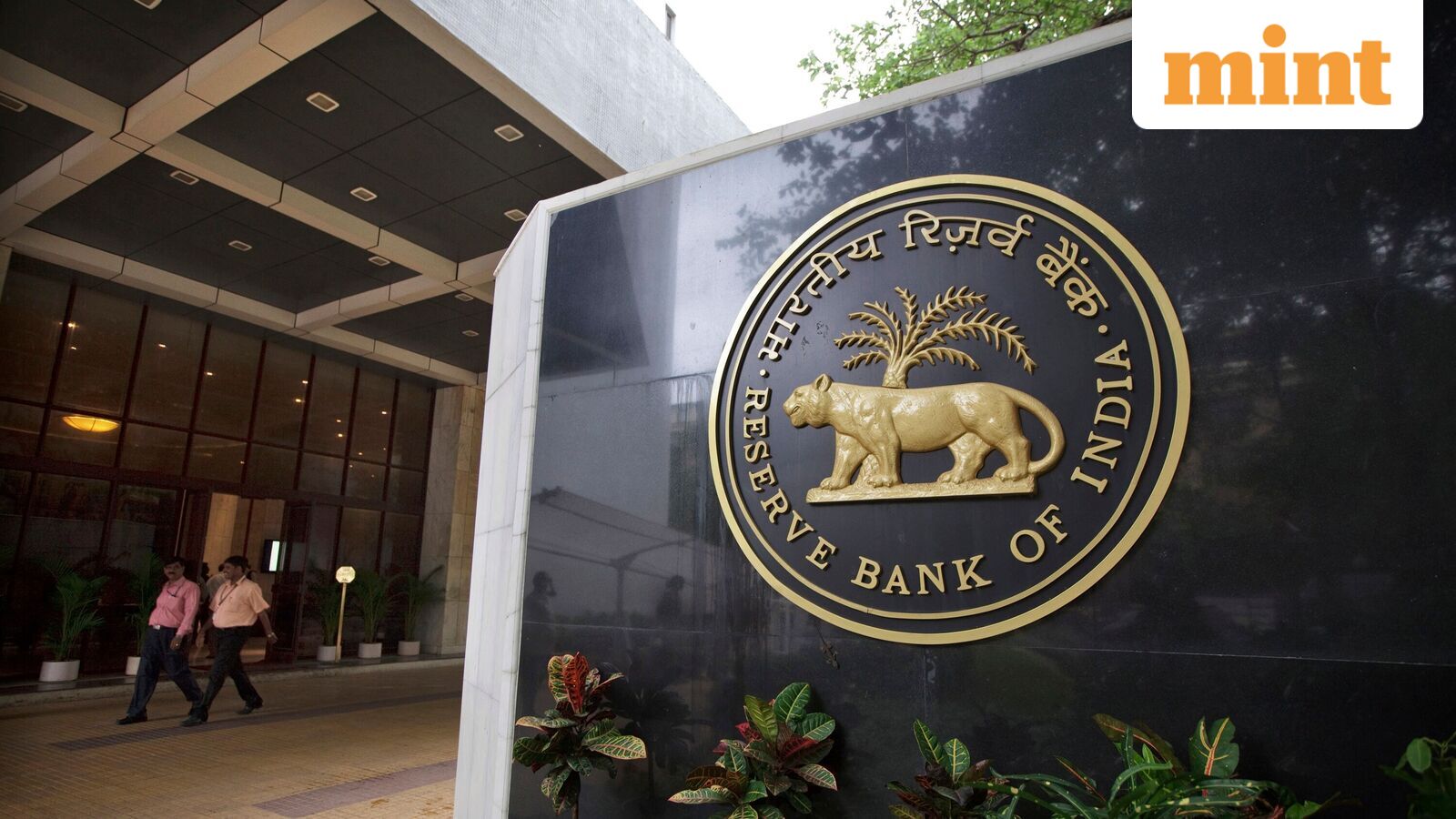
The RBI’s draft rules extend the ₹1 crore minimum to secondary trades, targeting institutional-only securitization. The move could reshape bank loan distribution and bond market access.
Continue with
Mumbai: The Reserve Bank of India moved to tighten oversight of the securitization market on Monday, proposing that the ₹1 crore minimum investment apply not just at issuance but to every subsequent transfer of these notes. The central bank also wants all securitization instruments issued by commercial banks to be held and transferred only in dematerialized form.
The draft amendments, released for public comment, mark an effort to keep these securities in the hands of institutional and sophisticated investors while improving transparency. Comments are due by August 27. If adopted, the changes take effect October 1.
Securitization lets banks pool loans – home and vehicle loans and other retail credits – and transfer them to a special purpose entity that issues securities backed by the cash flows. The process frees up capital for fresh lending and gives investors access to diversified credit exposures, the RBI said.
The current minimum ticket size of ₹1 crore applies only when the notes are first sold. The RBI said extending that requirement to secondary trading would prevent the instruments from breaking into smaller parcels that could reach retail buyers. Any agreement between the originating bank and the SPE must include a clause mandating the minimum investment throughout the life of the security.
The central bank also revised the listing requirement. Instead of mandating listing when securitization notes are offered to 50 or more investors, the draft links the threshold to the investor count defined under the Securities and Exchange Board of India's securitized debt regulations.
The securitization directions already require originators to retain a minimum economic interest, prescribe disclosure norms, and cap retained exposures. The framework prohibits securitization of certain assets including re-securitization exposures, synthetic deals, credit card receivables, and loans with less than one year residual maturity, subject to exceptions.