RBI Proposal to Bar NBFC Revolving Credit Sinks Bajaj Finance
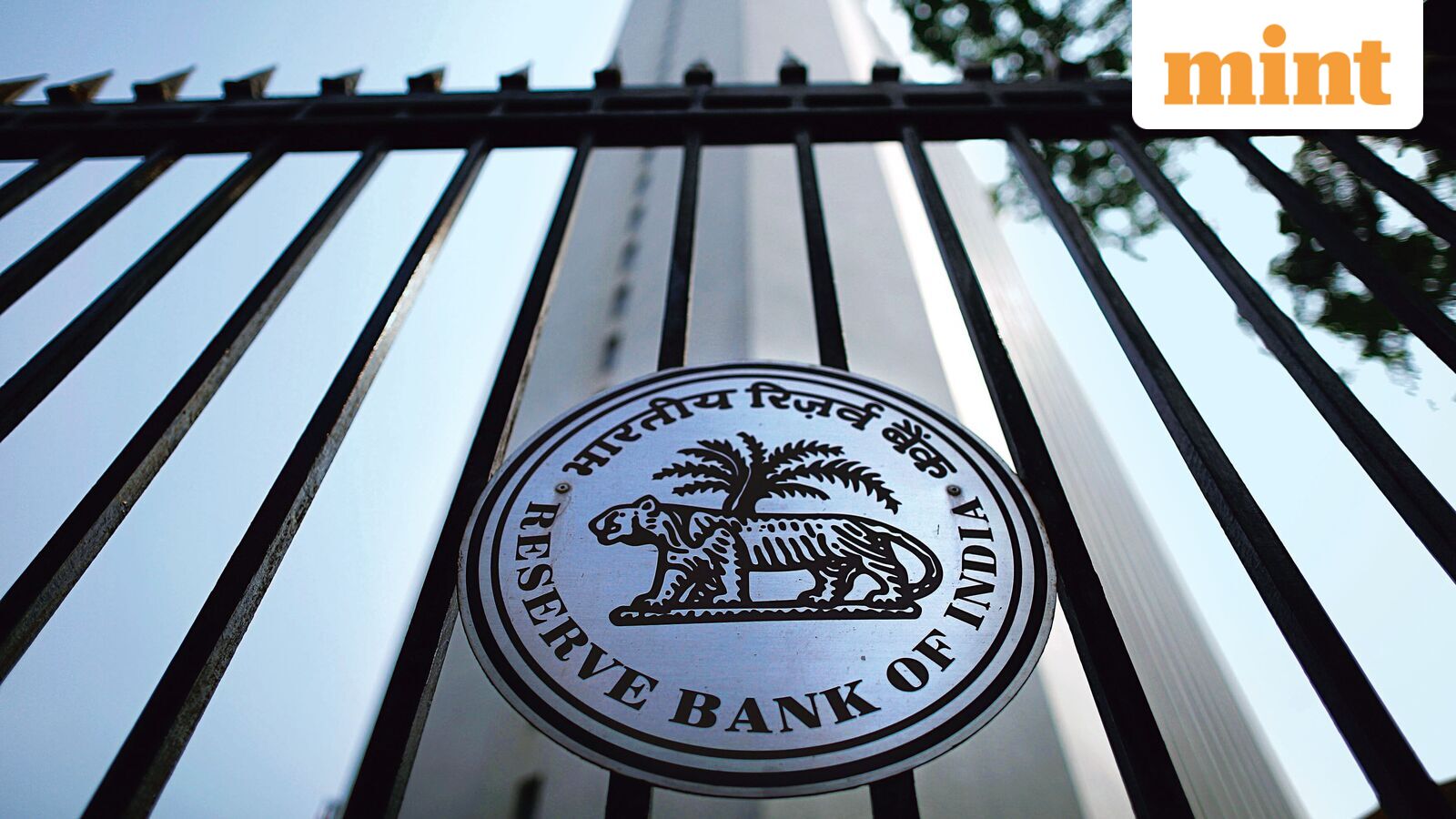
RBI's proposal to bar NBFCs from revolving credit unless they hold a credit card licence has hit Bajaj Finance and other lenders. Analysts warn of asset quality risks.
The Reserve Bank of India proposed to bar non-bank financiers from issuing revolving credit products unless they hold a credit card licence. Shares of Bajaj Finance Ltd fell more than 5% on Friday. Tata Capital dropped 2.7%. Cholamandalam Investment and Finance Co. fell 3.5%.
The banking regulator released the proposal on Thursday. Under November 2025 norms, NBFCs need RBI approval and a minimum net owned fund of ₹100 crore to issue credit cards. The central bank defined revolving credit as any credit facility that does not meet the definition of a term loan. A term loan has a fixed principal amount, disbursed in one or more instalments, and repaid on a predetermined schedule. The limit cannot be replenished after repayment of the whole or part of the principal.
Suresh Ganapathy, managing director and head of financial services at Macquarie Capital, said the quantum of revolving credit in the system is unknown because many NBFCs do not disclose the assets under management for that line of business. He noted that Bajaj Finance had previously quantified its flexi loan AUM at 30% of overall AUM six years ago. “Numbers now in our view could be lower in percentage terms,” he said. Ganapathy questioned whether supply chain and inventory funding would qualify as revolving credit. NBFCs can replace revolving credit with term loans, he said, but the nature of some customers – whose cash flows are unpredictable – makes revolving credit a necessary feature.
Viral Shah, senior vice-president of equity research at IIFL Finance Ltd, estimated that such loans account for about 20% of Bajaj Finance's standalone AUM. The share is in the high single digits to low double digits for Tata Capital and less than 1% for Cholamandalam. “In our assessment, this is a feature that is prevalent across product lines for many NBFCs,” Shah said. “This can impact new customer acquisition, growth, and stickiness, especially for NBFCs that have a meaningfully higher exposure to products having this feature.” Fee income and yields could also be hit, he added, though lenders could impose prepayment charges to offset the loss.
Analysts at Sanford C. Bernstein (India) warned that flexi-loan structures allow customers to draw, repay, and redraw funds from a pre-approved credit limit without fresh underwriting. These products offer considerable repayment flexibility, including the ability to service only interest obligations for extended periods before principal repayment. “While attractive from a customer perspective, they also increase the risk of borrowers relying on incremental borrowing capacity to manage existing obligations,” Bernstein said in a note on Thursday. The primary risk is asset quality rather than growth, the analysts said. Revolving credit is a higher-risk product that requires sophisticated underwriting, monitoring, and collection capabilities. “While lenders such as Bajaj Finance may possess the systems needed to manage these portfolios, the same may not hold true across the broader industry,” the note said. “The withdrawal of revolving facilities could expose pockets of borrower stress that have so far remained masked by easy access to additional (and flexible) liquidity, resulting in a broader deterioration in repayment behaviour.”
The RBI's proposal is part of its November 2025 norms. No implementation date has been set.
Drafted by a large language model from the source reporting linked above, then screened by automated publishing checks. It is not read by a journalist before publication. Some articles cite our Alpha Score. Verify prices and figures against the original source. Educational coverage, not personalized advice.