Macro● Neutral
RBI Set to Hold Rates as Geopolitical Risks Mount in India
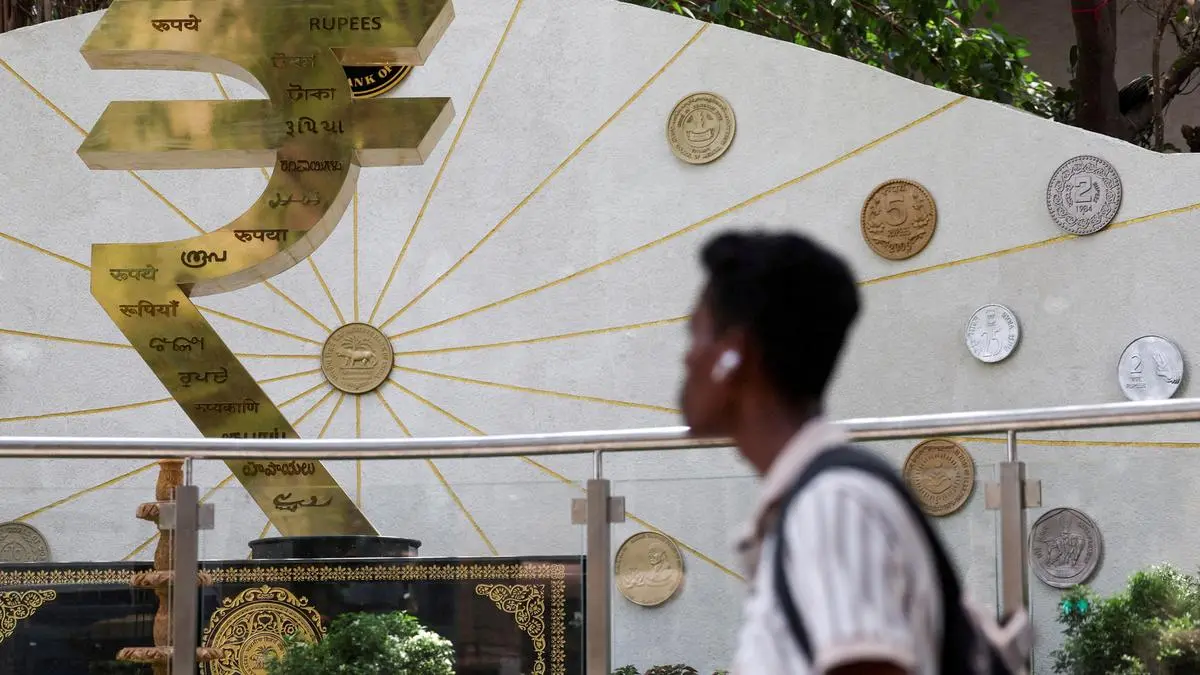
Escalating conflict involving Iran triggers volatility in India’s bond markets, forcing the central bank to prioritize stability over monetary easing.
Continue with
The Reserve Bank of India (RBI) is widely expected to maintain its current interest rate levels during Wednesday’s policy meeting. Monetary authorities are shifting their focus toward managing mounting economic pressures as the nation’s previous period of stable growth faces new threats.
Escalating conflict involving Iran has introduced significant volatility into the regional economic landscape. The resultant uncertainty has triggered a sharp downturn in India’s currency and bond markets, forcing the central bank to prioritize stability over monetary easing. Policymakers are currently evaluating the potential fallout from these geopolitical developments, which threaten to disrupt South Asia’s economic momentum. With the window for a 'Goldilocks' economic scenario closing, the RBI appears prepared to keep borrowing costs steady while it monitors the impact of external shocks on the domestic financial system.
How this story was producedLast reviewed Apr 6, 2026
Drafted by a large language model from the source reporting linked above, then screened by automated publishing checks. It is not read by a journalist before publication. Some articles cite our Alpha Score. Verify prices and figures against the original source. Educational coverage, not personalized advice.
Explore More
More from AlphaScala
Trading Q&A
What is leverage in trading and how does it work?
What is a spread in trading?
How to read a candlestick chart?
What is margin trading?