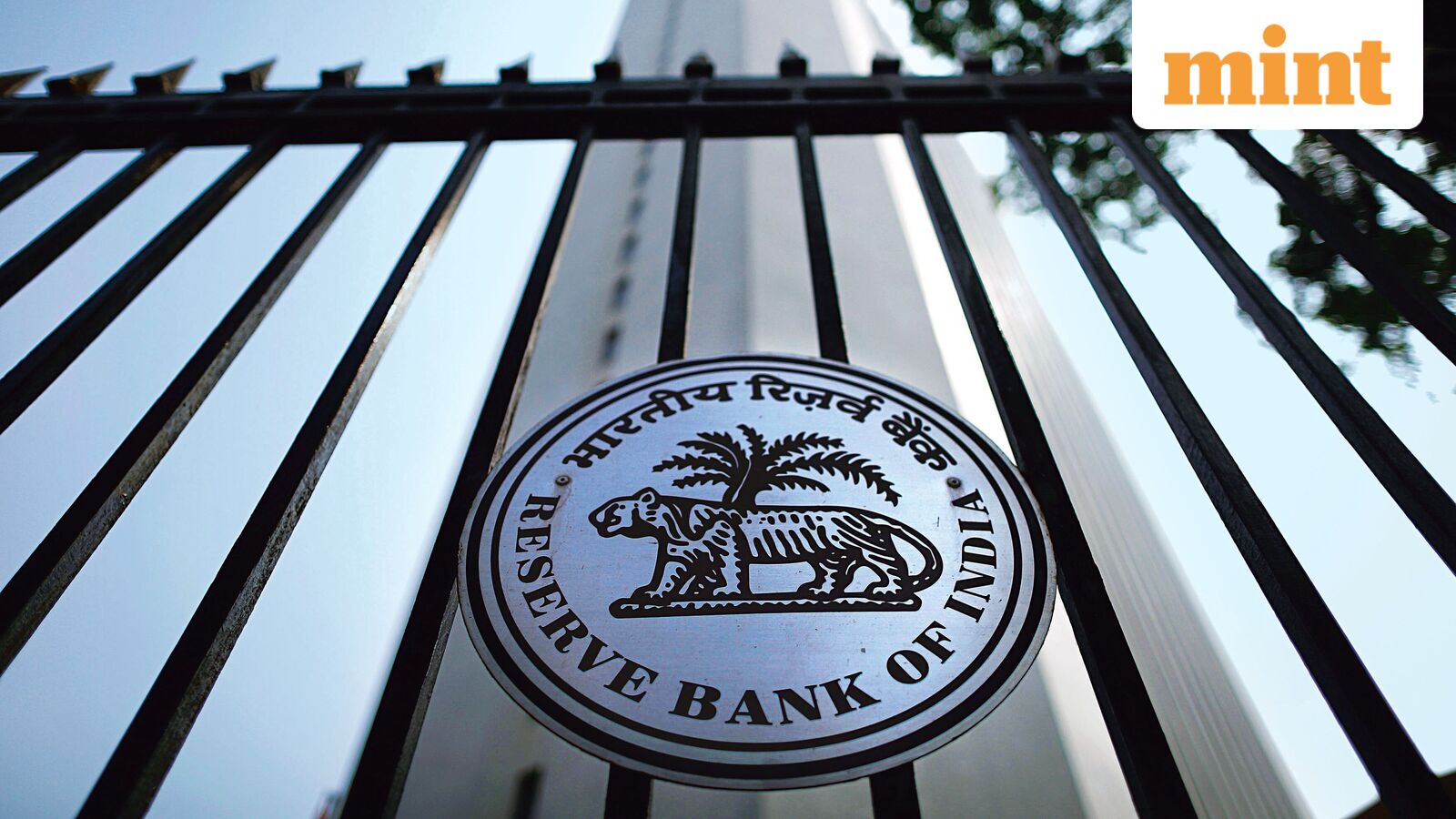
The Reserve Bank of India's Monetary Policy Committee faces a policy decision this week under conditions that chief economist Aditi Nayar of ICRA describes as particularly challenging. The shelf life of macro forecasts has become painfully short, with the West Asia conflict injecting volatility into India's inflation and growth outlook simultaneously. ICRA expects the committee to hold the repo rate at 6.50% and maintain its stance while expressing abundant caution in the policy statement.
The Inflation Path Through Fuel and Food
Retail inflation has been well behaved so far. CPI inflation inched from 3.2% in February 2026 to 3.5% in April 2026, largely on a base-effect-led hardening in food and beverage inflation. The stricter measure of core CPI inflation, which also excludes petrol, diesel, and jewellery in addition to F&B, electricity, gas and other fuels, has risen marginally to 2.2% in April 2026 from 2.1% in Q4 FY2026. Both demand and supply side pressures have been contained so far.
The Fuel Price Pass-Through Coming Due
A large part of the pain lies ahead. Multiple hikes in the retail selling prices of petrol and diesel during May 2026 are set to push up the headline CPI inflation trajectory for the fiscal year by at least 40 to 50 basis points. ICRA expects the CPI inflation readings to cross the 4% mark in May 2026 and edge past the 5% mark by July-August 2026.
For FY27, ICRA expects the print to average 5.0% with risks tilted to the upside. That is higher than the MPC's own forecast of 4.6% for the fiscal year. Nayar flags a particular concern: any generalisation of food and fuel price pressures to the rest of the CPI basket could lead to persistently high headline and core inflation readings.
El Niño and Rainfall Risk
The spectre of El Niño and a deficient rainfall may exert upward pressure on food prices during the fiscal. The potential development of El Niño conditions and the weak monsoon forecast for 2026 have dulled the agricultural outlook and rural demand prospects for H2 FY27. This creates a two-sided problem for the MPC – higher food prices on one side and weaker rural consumption on the other.
The Growth Slowdown Already Underway
The GDP data for Q4 FY26 will be released only after the MPC's decision, forcing the committee to rely on high frequency signals. ICRA expects GDP growth to have slowed to 7.0% in Q4 FY26 from 7.8% in Q3 FY26, led by manufacturing and services sectors.
High Frequency Indicators Point to Further Softening
Several high frequency indicators point to a further slowdown in economic activity in April 2026, and this is likely to worsen in May 2026. Intensifying input cost pressures are expected to weigh on business margins during the current quarter, dragging on GVA growth.
- ICRA expects India's GDP growth to fall to sub-6% in Q1 FY27, after a gap of three years.
- The uncertainty around the resolution of the conflict, along with elevated energy prices, is expected to impact prospects for investment demand, hurt corporate profitability, and dampen consumer sentiments.
- Assuming an average crude oil price of about $95 per barrel in FY27, ICRA expects GDP growth at 6.2% for the full fiscal year, well below the MPC's projection of 6.9%.
The Transmission Through Rates, the Rupee, and Bonds
For traders tracking the transmission mechanism, the stakes are clear. A hold from the RBI this week would keep the repo rate at 6.50% and likely keep the rupee in its current range against the dollar. The yield on the benchmark 10-year government bond, which has already priced in some inflation risk, may see a modest rally on the status quo decision.
What this means: The RBI's choice to hold while expressing abundant caution signals that the burden of adjustment falls on fiscal policy and on energy prices. If crude oil remains at $95 or higher, and if fuel price hikes feed into core inflation, the window for a hold narrows significantly. ICRA does not rule out rate hike(s) in H2 FY27, once the monsoon impact is clearer and uncertainty around the West Asia conflict subsides.
The Practical Case for Holding Now
The CPI inflation readings are still expected to remain well within the upper limit of the RBI's target range of 2-6%. A part of the impact pertaining to higher energy prices is likely to be transitory, and some reversal may take place once crude oil prices cool.
Key insight: In such a scenario, it would be ideal to wait to assess the generalisation of price pressures before transitioning to monetary tightening. The hit to growth from the West Asia conflict and El Niño would be intensified by an early rate hike.
The MPC has flexibility under the Flexible Inflation Targeting (FIT) framework to remain focused on supporting growth outcomes in the immediate term. The committee would hold this week, raise its CPI inflation projections, and simultaneously pare its GDP growth forecasts.
The MPC's Own Forecast vs. Reality
| Metric | MPC Forecast (FY27) | ICRA Estimate (FY27) |
|---|
| CPI Inflation (average) | 4.6% | 5.0% |
| GDP Growth | 6.9% | 6.2% |
That gap between the MPC's forecasts and ICRA's estimates is the core of the policy tension. The MPC's own numbers already show a deterioration – higher inflation and lower growth – than the projections made before the onset of the conflict. The policy statement will need to square that circle.
Confirming or Weakening the Setup
What confirms the hold thesis: If the policy statement emphasises the transitory nature of fuel price increases and repeats the commitment to supporting growth, the market will take that as a dovish hold. The 10-year yield would likely drop 5-10 basis points.
What weakens the hold setup: Any language that hints at a pre-emptive hike, or a dissent vote from an external member favouring tightening, would signal that the MPC sees inflation risks as structural rather than temporary. That would lift yields and pressure the rupee.
Crude oil at $95 per barrel or higher, combined with a weak monsoon, forces the MPC's hand later in the year. ICRA's call for rate hikes in H2 FY27 is conditional on crude remaining elevated and on the monsoon outcome. A significant dip in oil prices or a normal monsoon would allow the RBI to hold through FY27.
The MPC's decision on the repo rate will set the tone for Indian equities, bonds, and the rupee through the next data cycle. The next real test comes with the Q4 FY26 GDP print, due after the policy meeting, and the May CPI release that will show whether fuel price hikes have started to generalise into broader price pressures.