Macro● Neutral
RBI Governor Says No Decision Yet on UPI Merchant Charges
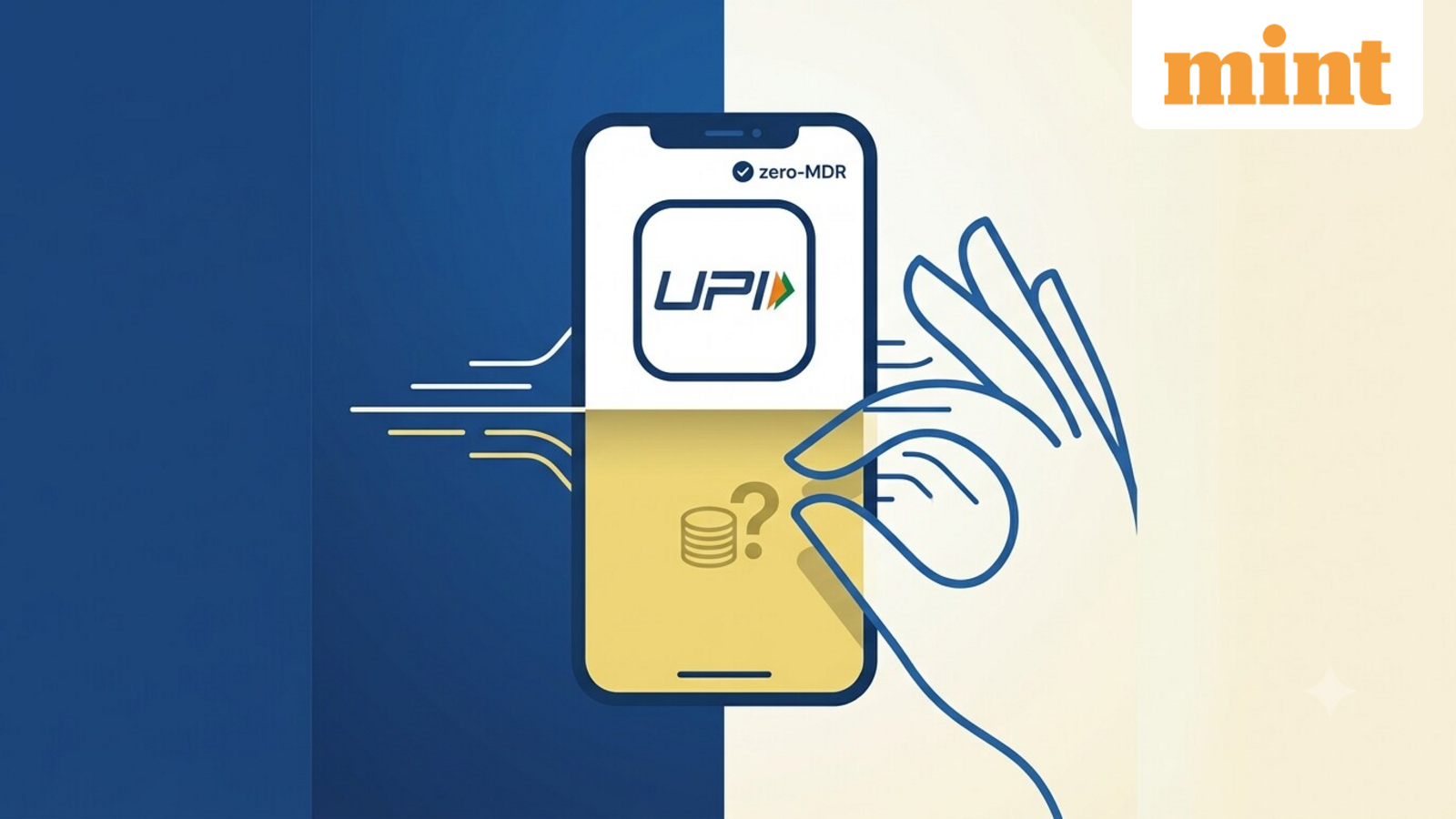
RBI Governor Sanjay Malhotra says no decision yet on UPI merchant charges, as the government's proposed payment law amendments spark debate over the zero-MDR model.
Continue with
Reserve Bank of India Governor Sanjay Malhotra said Wednesday it is too early to conclude whether Unified Payments Interface transactions will eventually attract a Merchant Discount Rate, even as the government's proposed amendments to the payment law have reignited the debate over the future of India's zero-charge digital payments regime.
"The costs have to be paid by someone. We all want that this public infrastructure should continue to strengthen and become more efficient," Malhotra said during the post-policy media interaction after the Monetary Policy Committee meeting.
His remarks follow speculation that the Payment and Settlement Systems (Amendment) Bill, 2027, introduced in Parliament, could eventually allow the government to reintroduce MDR on certain UPI merchant transactions, particularly higher-value payments. The bill itself does not levy MDR or prescribe any fee structure; any decision to introduce merchant charges would require a separate policy decision after the legislation is enacted.
Currently, UPI payments remain free for users and merchants covered under the zero-MDR framework introduced to accelerate digital payments. Unlike credit and debit card transactions, where merchants pay MDR to banks and payment networks, UPI merchant transactions do not attract such charges. The Centre also operates an incentive scheme under which banks are reimbursed for eligible low-value UPI transactions made to small merchants, helping offset part of the processing cost.