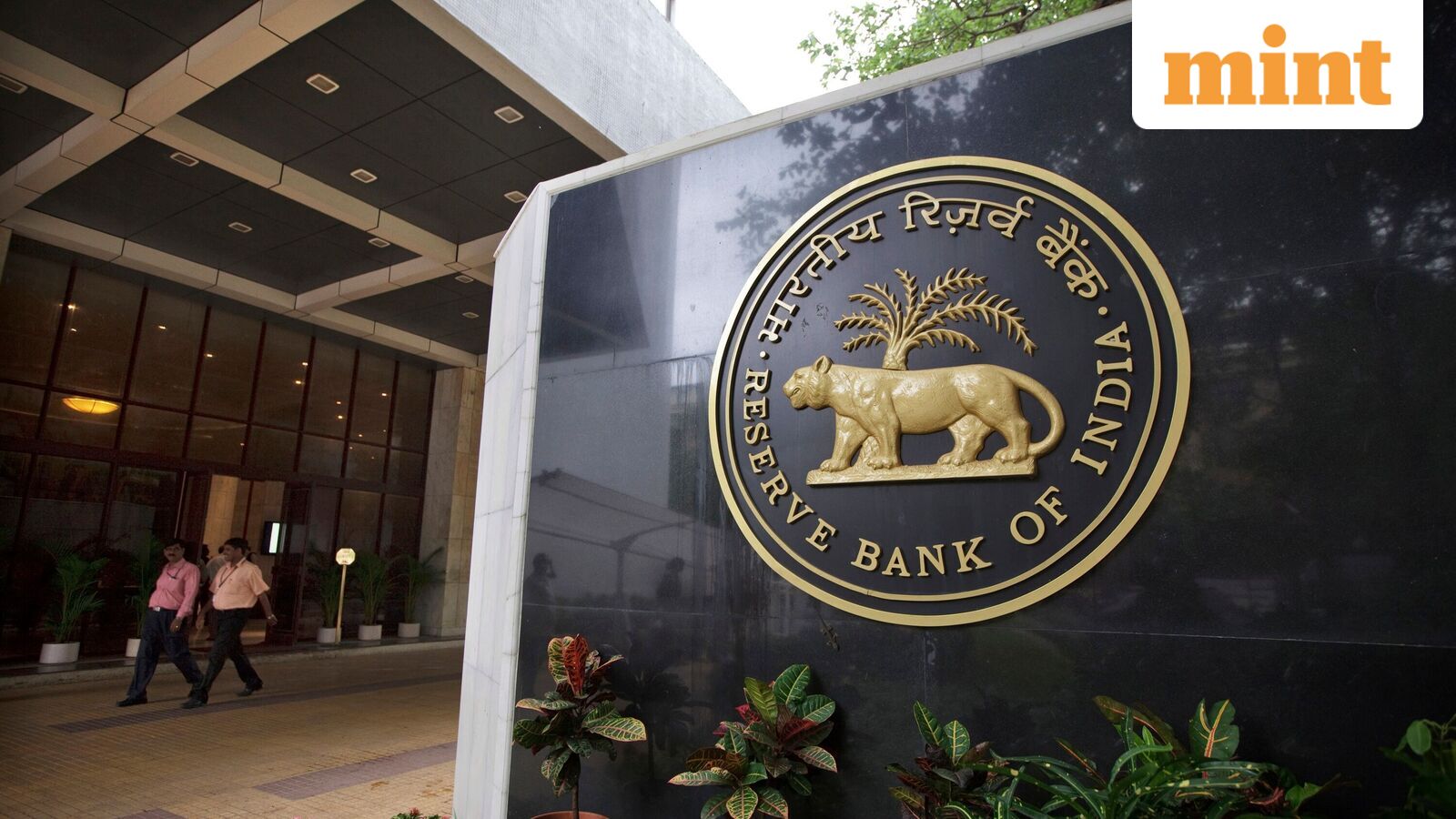
The Reserve Bank of India (RBI) has introduced a formal framework for how regulated entities (REs)—including commercial banks and non-banking financial companies (NBFCs)—must manage the acquisition of immovable assets when traditional loan recovery paths fail. By defining these holdings as Specified Non-financial Assets (SNFAs), the regulator is moving to standardize the process of debt extinguishment through collateral seizure, a mechanism that has historically operated under fragmented internal bank policies.
The Mechanism of Debt Extinguishment
Under the proposed guidelines, an RE may acquire an immovable asset—such as a house or commercial land—only after exhausting all other viable recovery options for non-performing assets. The mechanism functions as a settlement: if a borrower owes ₹1 crore and defaults, the bank may seize an asset to satisfy the claim. If the asset’s valuation matches the debt, the obligation is fully extinguished. If the asset is valued below the outstanding balance, the remaining debt is reclassified as a restructured loan, keeping the borrower on the hook for the residual amount under existing regulatory norms.
This shift is designed to move banks away from holding non-core assets indefinitely. By mandating a maximum holding period of seven years, the RBI is forcing lenders to prioritize liquidity over long-term real estate speculation. For the banking sector, this creates a clear operational timeline for balance sheet cleanup, preventing the accumulation of 'zombie' assets that often clutter financial statements following a credit cycle downturn.
Mitigating Moral Hazard and Conflict of Interest
One of the most significant components of the draft is the prohibition on selling the seized SNFA back to the original borrower or any related party. This rule directly addresses moral hazard, preventing a scenario where a borrower defaults, surrenders an asset, and then re-acquires it through a shell entity or proxy at a distressed price. By mandating that disposals occur on an arm’s length basis, the RBI is ensuring that the recovery process remains transparent and that the bank achieves the maximum possible net recovery value.
This regulatory tightening is a critical development for financial institutions that have historically struggled with the legal complexities of asset liquidation. While the immediate impact is on the operational overhead of recovery departments, the long-term effect will be a more disciplined approach to collateral valuation at the time of loan origination. Banks will likely become more conservative in their LTV (loan-to-value) assessments if they know that the path to liquidating an immovable asset is now subject to strict seven-year disposal windows and rigorous oversight.
Sectoral Read-Through and Valuation Risks
For investors tracking the Indian financial sector, the draft provides a clearer view of how banks will handle credit losses in the real estate space. While the move is positive for transparency, it introduces a new layer of execution risk for lenders. If a bank is forced to dispose of an asset within seven years, it may be susceptible to market timing risks, particularly if the local property market is depressed at the time of the required sale.
Financial services firms with significant exposure to real estate collateral, such as PUK, which carries an Alpha Score of 57/100, may find that these rules necessitate a more robust internal appraisal process. The RBI’s insistence on 'financially prudent' disposal methods suggests that banks will need to invest more in their asset management capabilities to avoid fire-sale losses. This is not merely a procedural update; it is a structural change to how credit risk is priced in the Indian economy.
Next Decision Point: The May 26 Deadline
The draft guidelines are currently open for public comment until May 26. Market participants should monitor the final version of these norms for any adjustments to the seven-year holding period or changes to the definition of 'related parties,' which could impact the flexibility of large-scale debt restructuring. Until then, the primary risk for lenders remains the potential for regulatory pushback on current recovery practices that do not align with the proposed arm’s length requirements. For further insights on how these regulatory shifts impact broader market stability, refer to our market analysis section.
As the RBI continues to refine its oversight, the focus remains on ensuring that the financial system does not become a repository for distressed real estate. The shift toward standardized, time-bound liquidation is a clear signal that the central bank intends to keep the credit cycle moving, even when individual borrowers fail.