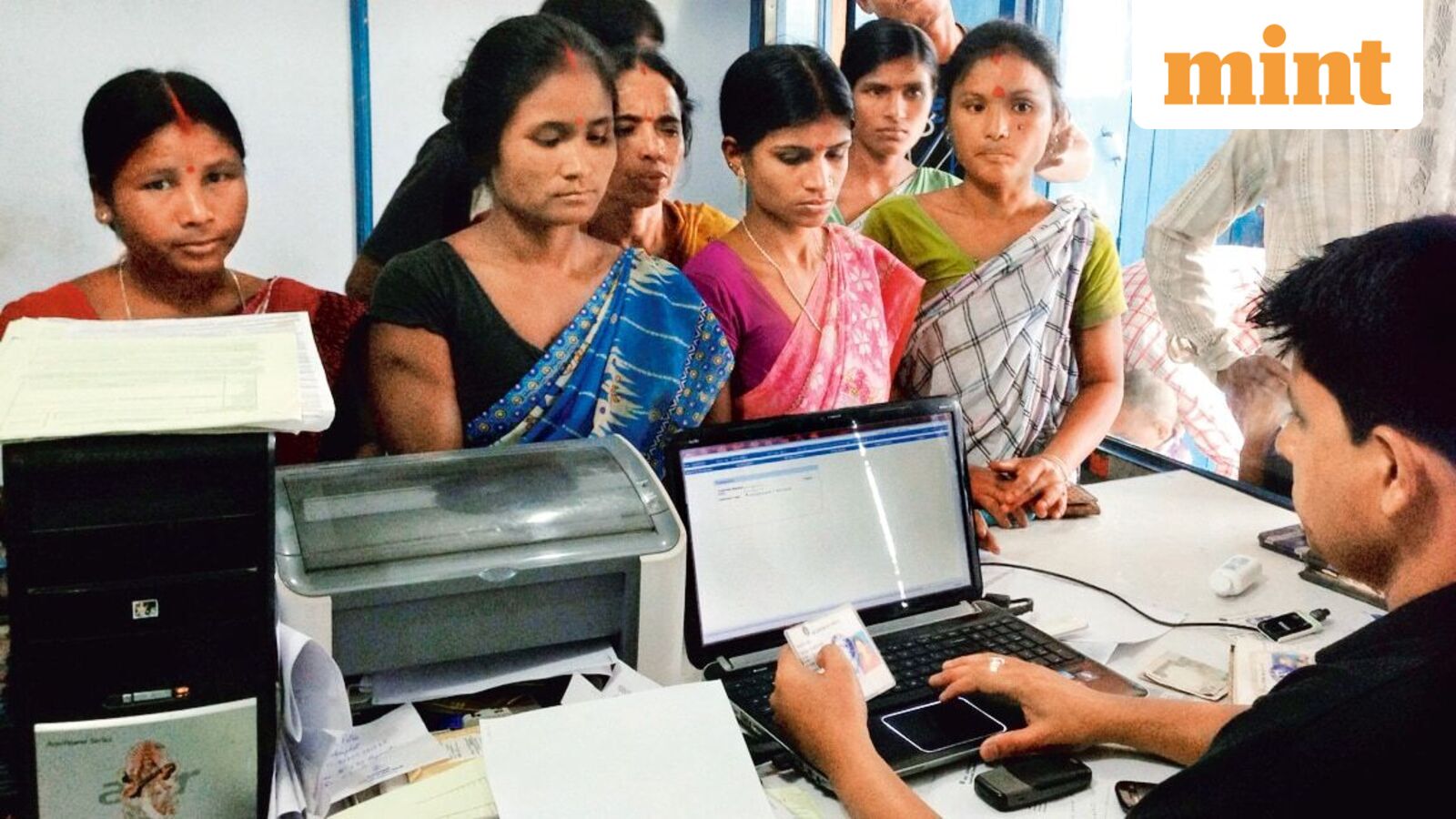
The Reserve Bank of India designates any banking account left unused for 10 years or more as an unclaimed deposit. Under current rules, those balances are transferred to the Depositor Education and Awareness Fund (DEAF) maintained by the RBI. The funds remain the legal property of the depositor or heir. The RBI’s UDGAM portal, a centralized search tool for unclaimed deposits, now makes it easier for depositors to locate and reclaim those funds.
The simple read: this is a consumer-friendly rule change that helps people recover forgotten savings. The better market read: banks with large dormant deposit portfolios face a contingent liability that could suddenly crystallize. The UDGAM portal lowers the search cost for claimants, potentially triggering a wave of reactivation requests that force banks to recognize liabilities they had effectively written off.
The 10-Year Dormancy Rule and DEAF Transfer
From Inoperative to Unclaimed
Indian savings and current accounts become inoperative after two years without customer-initiated transactions. At that stage, financial institutions restrict transactions to prevent fraud, unauthorized transfers, and identity theft. The account stays inoperative for the next eight years. If no activity occurs, the balance is transferred to the DEAF fund after the 10-year mark.
Fixed deposits that remain unclaimed for 10 years after maturity are also shifted to this fund. Ownership of the funds does not change during the process. The account holder or legal heir can still claim the money at any time by following several basic steps.
What the DEAF Transfer Changes for Banks
When a balance is moved to DEAF, the bank removes it from its deposit base. That improves regulatory ratios such as the credit-deposit ratio and reduces the bank’s reported deposit liabilities. The bank remains legally obligated to return the funds upon a valid claim. A bank that has removed the deposit from its books and then must reinstate it faces an operational and capital headache.
Which Banks Carry the Largest Unclaimed Liability
Deposit Concentration and Legacy Customer Bases
Banks with a high proportion of long-dormant accounts are most exposed. Public sector banks with large branch networks and older customer bases are likely to have significant unclaimed deposit balances. Examples include State Bank of India, Bank of Baroda, and Punjab National Bank. Regional rural banks and cooperative lenders may also carry disproportionate dormant account portfolios, though their disclosure is often less transparent.
No Mandatory Provisioning for Unclaimed Deposits
Banks do not typically hold full provisions for unclaimed deposits after the DEAF transfer. The contingent liability is off the balance sheet. If a surge in claims occurs through the UDGAM portal, banks would need to:
- Re-verify identity documents and account ownership
- Process reactivation requests and potentially pay interest on dormant balances as per original terms
- Update regulatory filings to reflect the reinstated deposits
Each step adds operational cost and introduces execution risk. Banks with outdated IT systems or manual verification processes are most vulnerable to backlogs.
How the UDGAM Portal Changes the Claim Process
From Search to Recovery
The UDGAM portal allows users to track and trace unclaimed deposits across participating banks and financial institutions. The user registers, logs in, enters personal details, selects banks, and adds identifiers such as an account number or IFSC code. The portal then searches across institutions.
If the account is found, the depositor or heir must approach the original bank and submit a reactivation request. Required documents include:
- Aadhaar card
- PAN card
- Address proof
- Account information
For nominees or legal heirs, the list extends:
- Death certificate of the account holder
- Succession certificate or probate documents
The cross-verification process is more detailed when the claimant is not the original account holder. Once verification is complete, the bank reactivates the account or transfers the funds to an active account, along with applicable interest.
Timeline Risk: Claims Could Overwhelm Bank Operations
A sudden media campaign or regulatory deadline could drive a spike in claims. Bank verification systems that handle hundreds of reactivation requests per quarter might struggle with thousands. Operational bottlenecks would delay payments, increase legal costs, and potentially trigger disputes over interest calculations, especially for fixed deposits that matured years ago.
Affected Assets: Bank Balance Sheets and Equity Valuations
Impact on Net Interest Margins and Capital Adequacy
When a bank reinstates a dormant deposit, it adds a new liability to the balance sheet. That liability comes with interest obligations, which could compress net interest margins if the funds are held in low-yielding assets or if the bank must pay interest at higher rates than originally agreed. The capital adequacy ratio also declines because risk-weighted assets increase relative to capital.
The magnitude of the impact depends on the size of the unclaimed deposit portfolio relative to total deposits. For a bank with 0.5% of deposits sitting in DEAF, the impact is negligible. For a bank with 2%–3%, the effect could be material.
Second-Order Effects on Compliance Spending
The RBI’s push for transparency on dormant accounts echoes its broader regulatory focus on compliance. The RBI Quantum Panel earlier signaled a wave of compliance spending for financial firms. Banks facing a surge in reactivation requests will need to invest in verification systems, customer communication tools, and portal integration. Technology vendors that provide identity verification and document processing solutions could benefit, similar to the demand boost seen for INFY and WIT after the Quantum Panel guidelines.
Equity and Stock Valuations
For equity investors, the risk is concentrated in banks with high unclaimed deposit ratios. Public sector banks with older customer bases are the most exposed. A sudden increase in liabilities or operational failures could pressure stock valuations. Banks that proactively reach out to customers and streamline the UDGAM process may reduce operational risk and improve customer satisfaction, potentially protecting their valuations.
What Would Reduce the Risk
- Proactive compliance: Banks that invest in customer communication – sending reminders, updating contact details, simplifying reactivation – can reduce the volume of dormant accounts before they reach the 10-year threshold.
- UDGAM adoption: Wider adoption of the portal by all banks and financial institutions increases transparency and reduces dispute risk. The RBI’s continued push for consumer protection supports this trend.
- Interim regulatory clarity: If the RBI issues guidance on how banks should handle DEAF transfers and claims in a standardized manner, operational risk would decrease.
What Would Make It Worse
- Surge in claims: A media campaign, a regulatory deadline, or a viral social media post could drive a wave of claims that overwhelms bank verification systems.
- Tightened RBI rules: If the RBI changes the dormancy period from 10 years to a shorter timeframe, it would accelerate the flow of accounts into DEAF and increase the contingent liability.
- Operational bottlenecks: Banks with outdated IT systems or manual processes will struggle to handle a high volume of reactivation requests, leading to delays and potential litigation.
The RBI’s dormant account rules represent a measurable risk event for banks with large unclaimed deposit portfolios. The UDGAM portal is the mechanism that could crystallize that risk. Traders should watch bank disclosures on unclaimed deposits and any regulatory updates on DEAF fund utilization. For depositors, the simplest protection remains making occasional transactions to avoid dormancy.