Macro● Neutral
RBI Deputy Governor Janakiraman Gets Two-Year Extension
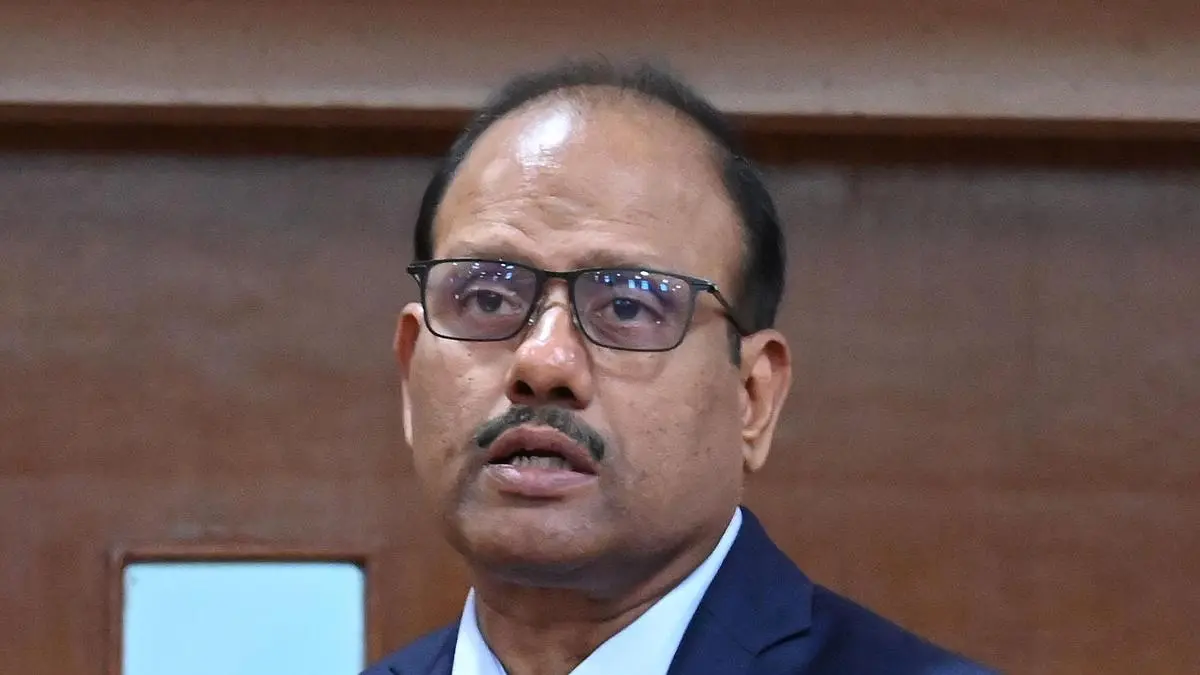
Swaminathan Janakiraman's reappointment ensures continuity in RBI's financial markets and banking regulation roles. For traders, this maintains a predictable hawkish stance on liquidity and rupee policy.
Continue with
The government has reappointed Swaminathan Janakiraman as a Reserve Bank Deputy Governor for a two-year term beginning June 26, 2026, the RBI announced in a statement. The renewal locks in continuity at the policy level at a time when markets are watching the RBI's stance on rate cuts, rupee intervention and banking regulation.
Janakiraman – who replaced MK Jain, the former IDBI Bank managing director – occupies the statutory slot reserved for a commercial banker among the RBI's four deputy governors. That role carries direct oversight of financial markets, banking operations and currency management. The reappointment removes a source of personnel uncertainty that could have altered the RBI's practical execution of monetary policy.
The Policy Channel: Continuity in Rate and Liquidity Stance
The extension signals that the RBI's current hawkish tilt on inflation will not face disruption from a change in senior leadership. Janakiraman oversees the department that executes open market operations and manages banking system liquidity. A new appointee might have altered the RBI's preferred liquidity corridor or its willingness to conduct long-term bond purchases.
The reappointment also reinforces the RBI's independence from government signal on the rate front. With the central bank maintaining a status-quo on the repo rate despite pressure for easing, a change at the deputy-governor level could have been read as a political shift. The two-year extension maintains the existing dynamic: the RBI continues to prioritize inflation containment over growth support, even as fiscal data prints stronger than forecast.
Banking Regulation: Supervision Continuity for Public Sector Lenders
Janakiraman's background as a former MD of IDBI Bank gives him direct experience with the stressed-asset cycle. His oversight of banking regulation and supervision means the RBI's approach to asset quality recognition, provisioning requirements and dividend payout caps for public sector banks will remain consistent.