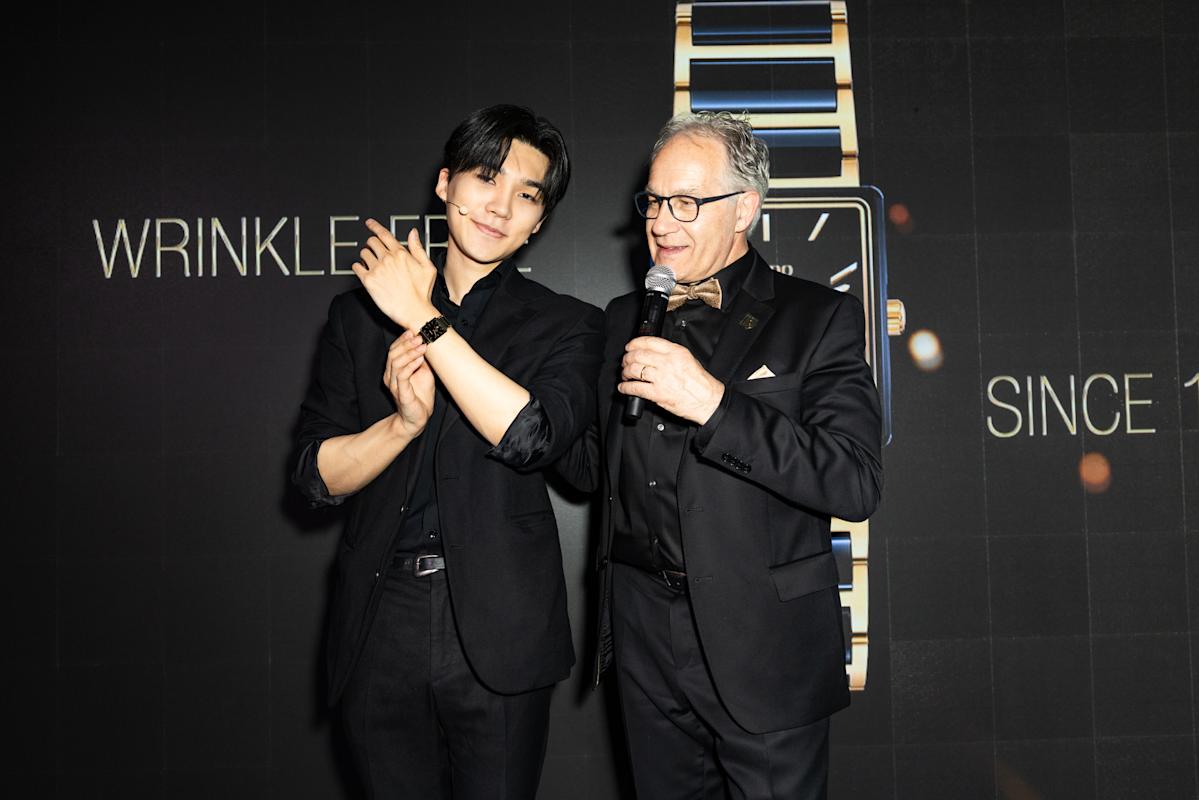
A Legacy of Innovation
Swiss horology brand Rado is marking a significant milestone this year, celebrating the 40th anniversary of its signature 'Integral' collection. First introduced in 1984, the Integral series was a revolutionary entry into the watchmaking world, serving as the first collection to feature Rado’s proprietary high-tech ceramic. To commemorate four decades of this material science breakthrough, the company is launching a series of anniversary timepieces that emphasize both the brand’s industrial heritage and its evolving aesthetic.
However, this anniversary event serves a purpose far beyond mere commemoration. Rado is utilizing the spotlight to signal a strategic pivot toward the Americas, with a particular focus on capturing a larger share of the burgeoning U.S. luxury watch market. By highlighting its in-house industrial capabilities—specifically the precision required to manufacture high-tech ceramic components—the company aims to differentiate itself in an increasingly crowded luxury landscape.
The Strategic Pivot: Strengthening the Retail Footprint
Central to Rado’s U.S. growth strategy is a deliberate restructuring of its retail presence. The watchmaker has spent the recent fiscal period focusing on a 'tightened' retail network, moving away from broad, indiscriminate distribution in favor of curated partnerships and flagship-style experiences. This move is designed to protect brand equity and ensure that the technical precision of the Integral line is communicated effectively to the end consumer.
For the luxury goods sector, this is a well-worn playbook for brands attempting to elevate their status in North America. By controlling the touchpoints, Rado intends to mitigate the discounting pressures often associated with third-party retailers, positioning the Integral as a premium, design-forward choice for the American collector who values both durability and avant-garde aesthetics.
Market Implications and Competitive Positioning
Why does this matter for the broader luxury market? Rado operates under the umbrella of the Swatch Group (UHR.SW), which has been navigating a complex macroeconomic environment characterized by fluctuating consumer demand for high-end goods. While the 'hard luxury' segment—which includes watches and jewelry—has shown resilience compared to apparel, investors are looking for clear signs of regional growth to offset cooling demand in other global markets.
For market participants, Rado’s focus on the U.S. is a reflection of the regional pivot occurring across the luxury sector. As spending patterns in Asia stabilize, the U.S. remains a critical battleground for market share. Rado’s reliance on high-tech ceramics serves as a technical moat; the material is notoriously difficult to process, requiring specialized sintering and diamond-polishing techniques that are difficult for competitors to replicate at scale without significant capital expenditure.
Forward-Looking Analysis
As Rado continues to roll out its 40th-anniversary campaign, analysts will be watching to see if this sharpened retail strategy translates into tangible revenue growth in the Americas. The success of the Integral relaunch will serve as a bellwether for the brand’s ability to leverage its historical catalog to capture a new generation of American consumers.
Investors should monitor upcoming quarterly reporting from the Swatch Group for mentions of regional performance in North America. If Rado’s 'tightened' network strategy proves effective, it could serve as a template for other mid-tier luxury brands within the group’s portfolio, potentially bolstering margins and brand prestige in the world’s largest luxury market.