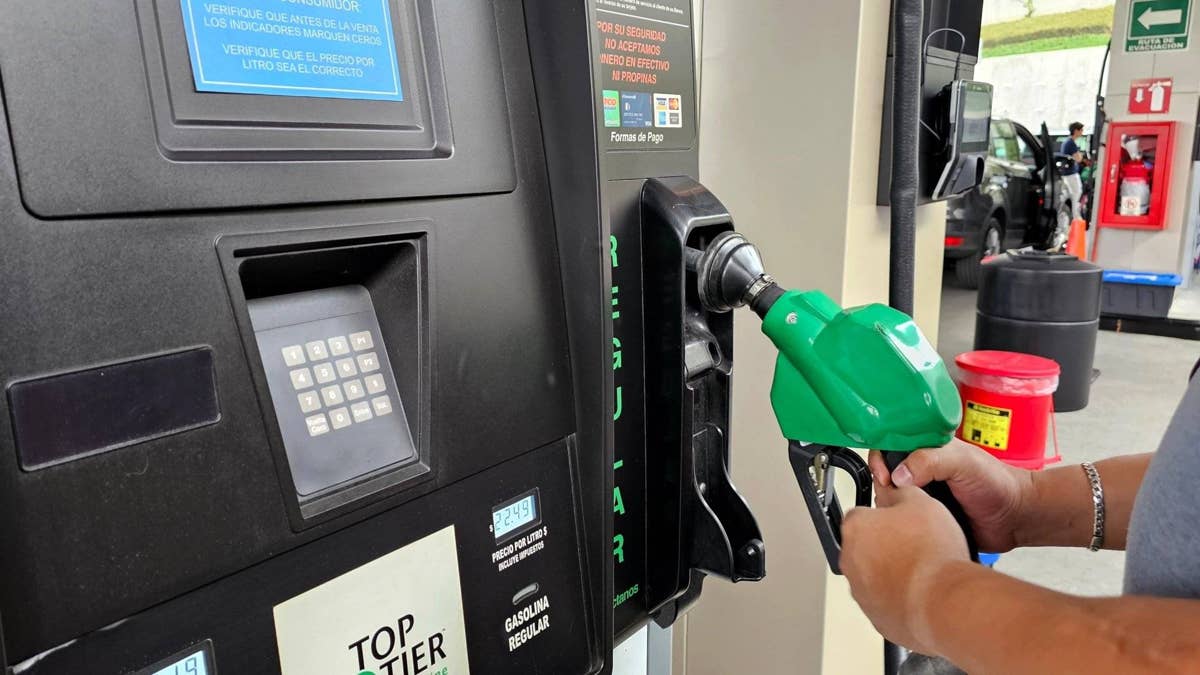
The Gasoline Price Squeeze
For the American consumer, the cost of the daily commute is once again becoming a primary friction point in household budgeting. As of April 9, the national average for a gallon of regular gasoline climbed to $4.16, marking an 8-cent increase over the previous week. This return to the $4.00-plus threshold—a level not seen since early August—is sending shockwaves through the retail sector and forcing investors to re-evaluate the resilience of consumer discretionary spending.
At the heart of this inflationary pressure lies geopolitical instability. Ongoing tensions involving Iran have injected a fresh layer of risk premium into global crude oil markets. Given that energy prices act as a direct tax on the consumer, the persistence of these geopolitical headwinds suggests that the current relief at the pump may be short-lived, potentially keeping transportation costs elevated throughout the second and third quarters.
The Warehouse Club Calculus
In this environment, wholesale retailers like Costco Wholesale Corporation (COST) are increasingly positioned as a defensive play for cost-conscious shoppers. The core value proposition of a Costco membership—which ranges from $60 to $120 annually—is under intense scrutiny as households weigh the cost of entry against the potential savings at the pump.
Typically, Costco gas stations price their fuel significantly below the regional average, often by margins that can range from 10 to 30 cents per gallon depending on local market competition. For a household that consumes 500 gallons of gas per year, a 20-cent-per-gallon discount translates to $100 in annual savings. When framed against the $60 basic membership fee, the math suggests that high-mileage drivers can achieve a net positive return on their membership fee through fuel savings alone, regardless of the savings realized on wholesale bulk goods.
Market Implications: Why It Matters for Retail Traders
For investors and traders, the "gasoline-as-a-loss-leader" strategy employed by Costco is a powerful indicator of retail health. By utilizing low-margin fuel to drive foot traffic, Costco ensures a high-frequency engagement cycle with its members. This is critical for two reasons:
- Defensive Moat: When inflation erodes purchasing power, consumers move away from discretionary boutiques and toward wholesale clubs. Costco’s ability to offer competitive fuel prices keeps them top-of-mind, maintaining high membership renewal rates even during periods of economic contraction.
- Inflationary Buffer: Unlike traditional retailers that may see margins compressed by rising logistics and transport costs, Costco’s scale and membership-based revenue model provide a structural buffer. As fuel prices rise, the value proposition of a membership becomes more visible, potentially driving new sign-ups during inflationary cycles.
Forward-Looking Outlook
Market participants should watch two key variables closely in the coming months. First, the geopolitical trajectory in the Middle East remains the "wild card" for energy prices; any escalation could push national averages toward the $4.50 mark, which historically triggers a shift in consumer behavior and a reduction in non-essential travel. Second, monitor the membership renewal rates in COST’s upcoming quarterly filings. If the trend of using warehouse clubs as a hedge against inflation holds, we may see a divergence in performance between big-box retailers and traditional brick-and-mortar stores that lack fuel-based incentives.
For the individual trader, the takeaway is clear: as long as energy volatility persists, retail models that bridge the gap between essential services (like fuel) and bulk consumer goods will likely continue to outperform in a challenging macroeconomic climate.