A Critical Milestone in Orbital Supply Chain Management
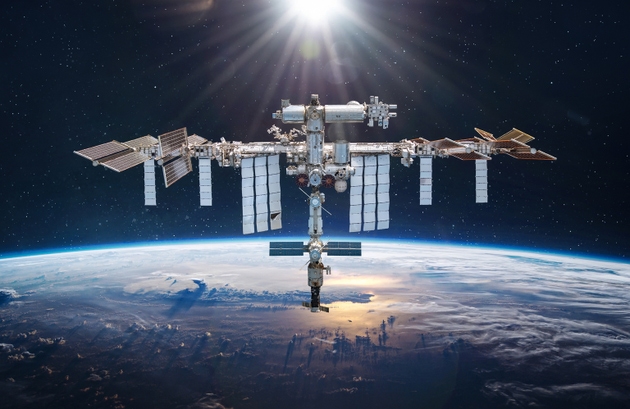
Northrop Grumman (NOC) has successfully executed its NG-24 mission, deploying the latest iteration of its Cygnus XL cargo spacecraft into orbit. This mission represents a significant expansion in the aerospace giant’s capacity to support the International Space Station (ISS), reinforcing its position as a linchpin in the growing commercial space economy. The mission successfully delivered approximately 11,000 pounds of vital equipment, scientific research, and logistical supplies to the orbiting laboratory.
For investors and industry analysts, the NG-24 mission serves as a tangible demonstration of Northrop Grumman’s ability to maintain high-cadence, reliable orbital logistics. As the global push toward sustained space exploration intensifies, the capability to transport large-scale cargo and provide critical facility maintenance is becoming a high-value differentiator for major defense contractors.
The Strategic Utility of the Cygnus XL
The Cygnus XL is more than a simple delivery vehicle; it is a multi-functional asset designed to address the unique logistical challenges of long-term space habitation. Beyond its primary function of cargo delivery, the spacecraft is equipped with dedicated re-boost capability. This feature allows the Cygnus to periodically fire its engines to adjust the orbital altitude of the ISS, a critical maintenance function that counteracts the natural orbital decay caused by atmospheric drag.
By integrating this propulsion capability into its logistics missions, Northrop Grumman provides NASA with an essential service that extends the operational lifespan of the ISS. The ability to manage both supply chain logistics and station orbital dynamics positions Northrop as a critical partner in NASA’s ongoing ISS operations, which are currently slated to continue through 2030.
Market Implications and Defense Sector Context
The successful deployment of the NG-24 mission arrives at a time when the aerospace and defense sector is facing increased scrutiny regarding operational efficiency and cost-effectiveness. With the commercial space race accelerating, companies like Northrop Grumman are leveraging their legacy expertise to secure long-term government contracts.
For traders, the consistency demonstrated by the NG-24 mission is a key metric. Northrop Grumman has successfully navigated the complexities of orbital flight, minimizing risk and ensuring the safe arrival of high-value cargo. As the company continues to fulfill its obligations under the Commercial Resupply Services (CRS) contracts, the stability provided by these government-backed revenue streams offers a defensive hedge against broader market volatility.
Future Outlook: Sustaining the Orbital Presence
Looking ahead, the focus for Northrop Grumman shifts to the continued integration of the Cygnus platform into the broader infrastructure of low-Earth orbit (LEO). With the upcoming retirement of the ISS later this decade, the technology refined through the Cygnus program—specifically regarding automated docking and orbital re-boost—will likely serve as a blueprint for the next generation of commercial space stations.
Investors should continue to monitor the cadence of these resupply missions. Each successful flight not only reinforces Northrop Grumman’s technical reliability but also strengthens its competitive moat against emerging entrants in the commercial launch and cargo sector. As the company continues to execute on these high-stakes missions, the focus will remain on operational uptime and the potential for expansion into future lunar and deep-space logistics contracts.