Commodities● Neutral
Putin admits Russia is facing fuel crunch after Ukraine strikes
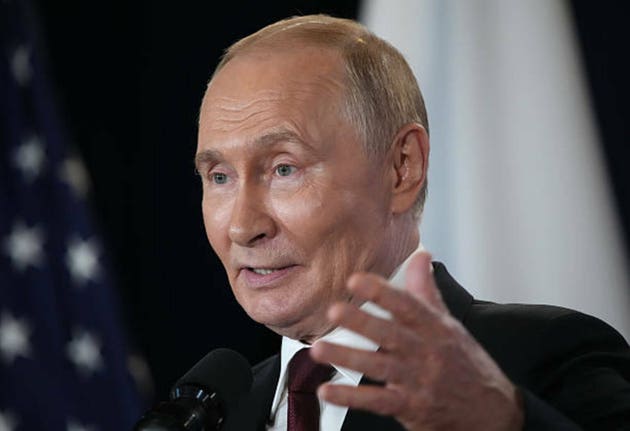
Putin admits Russia faces a diesel shortage after Ukraine drone strikes on refineries. Tighter export restrictions could follow, squeezing global gasoil supplies.
Continue with
President Vladimir Putin acknowledged that Russia faces a "certain shortage" of fuel after Ukrainian drone strikes damaged the country's energy infrastructure. The admission raises the odds of tighter export restrictions on diesel and gasoline, a move that would strain global refined-product markets at the height of summer driving season.
The drone attacks have knocked out processing capacity at several Russian refineries, squeezing domestic fuel availability, Putin said Monday at a meeting with government officials. Russia already limits diesel exports to keep local prices in check. Any further curbs would cut supplies to international buyers who compete for middle distillates.
Putin did not specify the size of the shortage or which products face the worst pinch. His comment signals the problem is broader than Moscow has let on. The Kremlin has played down the impact of Ukrainian strikes on its energy infrastructure, even as satellite images showed fires at plants in Tuapse and Krasnodar earlier this month.
The math is straightforward. Less refining capacity at home means less diesel and gasoline for export. Russia is one of the world's top shippers of diesel, sending roughly 600,000 barrels a day overseas before the war. A significant drop in those flows would tighten the global balance and support refining margins, traders said.