Macro● Neutral
Pune Hooch Tragedy: 17 Dead, 22 Suspended – Market Impact
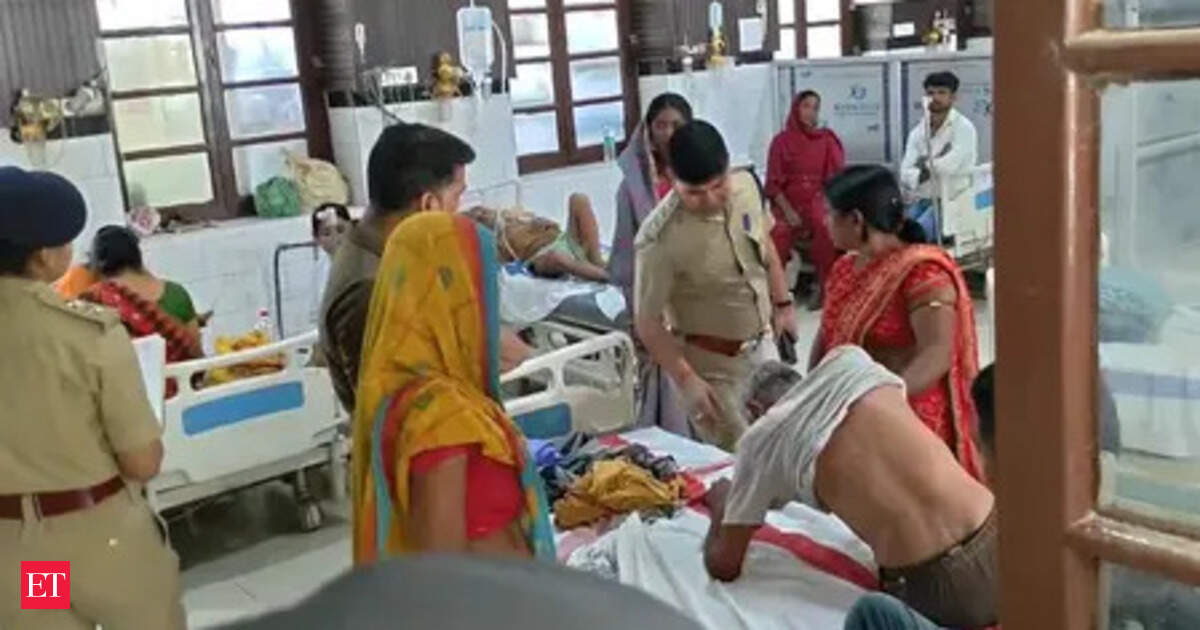
The death toll hits 17 as Maharashtra suspends 22 excise officials. The crackdown signals tighter regulation on alcohol distribution and methanol supply, affecting United Spirits and Radico Khaitan.
Continue with
The death toll from a spurious liquor tragedy in Pune and Pimpri Chinchwad has reached 17. Most victims are daily wage labourers. The Maharashtra government suspended 22 police and excise personnel for alleged inaction. Authorities arrested eight individuals, including methanol suppliers. Families of the deceased will receive financial aid and employment opportunities. This is not just a law-and-order story. For investors, the event transmits through two channels: state excise enforcement and industrial chemical regulation.
The Regulatory Crackdown Signal
The immediate suspension of 22 officials is the first transmission link. It signals that the state government will tighten enforcement on the legal and illegal alcohol supply chain. Maharashtra accounts for a significant share of India's legal country liquor consumption. Stricter policing of illegal outlets could temporarily disrupt distribution for legitimate producers. The government may also raise excise duties to fund the announced compensation package, adding a cost layer for consumers and producers alike.
Methanol Supplier Arrests: The Industrial Chemical Angle
The arrest of methanol suppliers points to a second transmission path. Methanol is a key industrial feedstock for chemicals, pharmaceuticals, and solvents. Tighter controls on its sale – to prevent diversion into illicit liquor – could raise procurement costs for small and medium industrial users. This is a supply-side risk for chemical manufacturers that rely on methanol as a raw material. The state’s investigation may lead to stricter record-keeping requirements for methanol distributors, potentially reducing availability for legitimate buyers.